
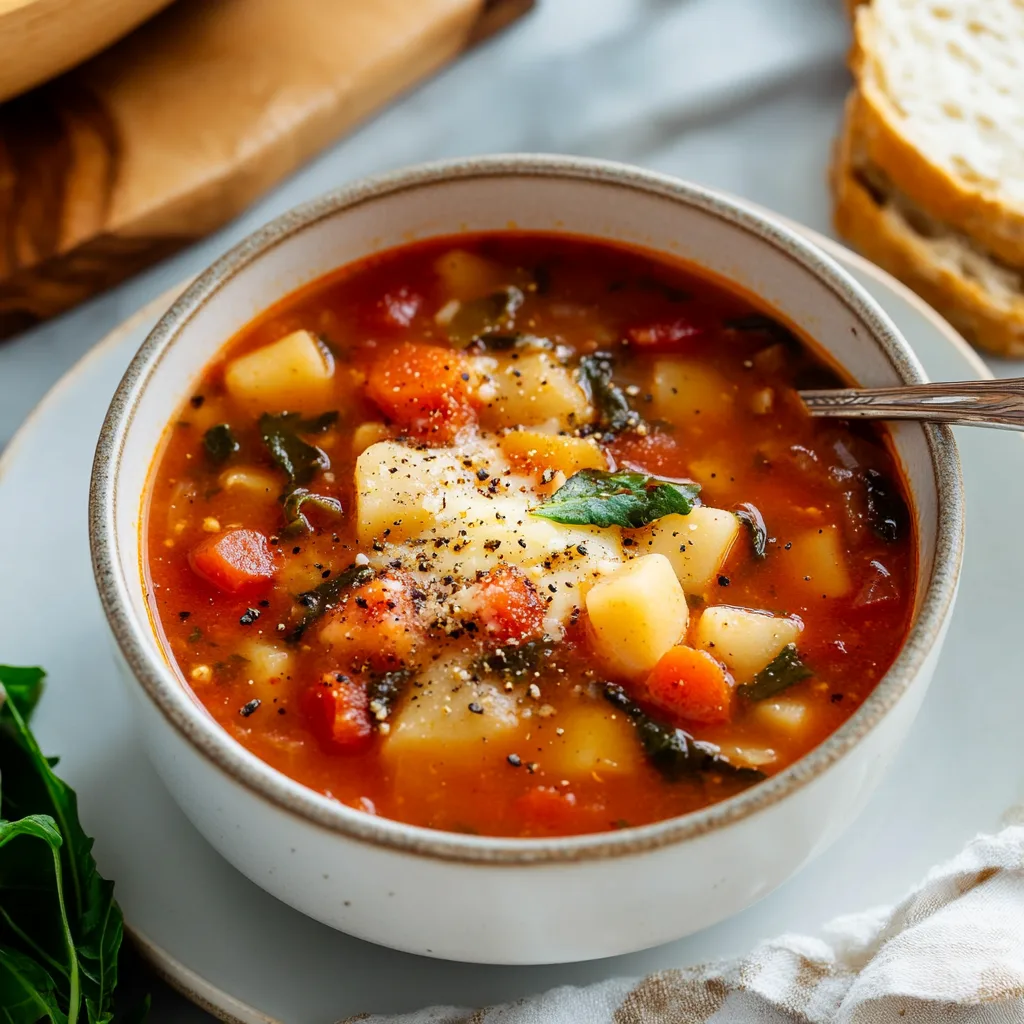
Classic minestrone soup serves as the ultimate bowl of comfort, bringing together hearty vegetables, tender pasta, and savory, herbaceous broth. When the days grow shorter and the kitchen feels like the sanctuary of the home, I often reach for this vibrant recipe to nourish my family. It is a slow, grounding process that fills the entire house with the scent of fresh garlic, thyme, and oregano.
This classic minestrone soup recipe highlights the beauty of simple, seasonal produce while remaining flexible enough for whatever you have in your pantry. By layering flavors carefully, you transform humble ingredients into a nutrient-dense masterpiece that feels both light and deeply satisfying. It is the perfect choice for mindful evenings when you crave something wholesome, balanced, and deeply restorative.
What is Classic Minestrone Soup?
Classic minestrone soup is a thick, restorative Italian vegetable soup, traditionally made with a base of mirepoix and plenty of seasonal produce. Unlike many other soups that rely on heavy stocks or thickeners, the body of this dish comes from the natural starch of beans and al dente pasta simmering together in a tomato-infused broth.
While every region in Italy has its own variation, the essence remains consistent: it is an intentional celebration of nature’s bounty. You will find that it is not meant to be a precise, rigid meal, but rather an adaptable structure that honors the texture of garden-fresh vegetables. It is this balance of fiber, plant-based protein, and warming broth that makes it a staple in my kitchen for maintaining energy and calm.
Reasons to Try Classic Minestrone Soup
There are so many reasons to make this classic minestrone soup a permanent fixture in your rotation. First, it is an incredibly efficient way to increase your vegetable intake, allowing you to use whatever produce you might have on hand. Whether it is lingering summer squash, hearty winter greens, or classic carrots and celery, every ingredient finds a harmonious home here.
This recipe is also a dream for busy families who need to plan ahead. Because the flavors deepen significantly after a day or two in the refrigerator, it is a wonderful option for meal prepping. If you are looking for a gentle, meatless meal that doesn’t sacrifice depth of flavor or satisfaction, this soup delivers every time without feeling heavy or complex.
Ingredients Needed to Make Classic Minestrone Soup
- 4 tablespoons extra-virgin olive oil, divided into portions
- 1 medium yellow onion, finely chopped
- 2 medium carrots, peeled and diced evenly
- 2 medium ribs celery, trimmed and sliced
- ¼ cup tomato paste, for deep umami flavor
- 2 cups seasonal vegetables, such as cubed potatoes, zucchini, or butternut squash
- 4 cloves fresh garlic, minced or pressed
- ½ teaspoon dried oregano
- ½ teaspoon dried thyme
- 1 large can (28 ounces) diced tomatoes, including the juices
- 4 cups vegetable broth, quality organic preferred
- 2 cups water
- 1 teaspoon fine sea salt, adjusted to taste
- 2 bay leaves
- Pinch of red pepper flakes for subtle warmth
- Freshly ground black pepper, to taste
- 1 cup dried orecchiette or shell pasta
- 1 can (15 ounces) Great Northern or cannellini beans, rinsed and drained
- 2 cups baby spinach or chopped kale
- 2 teaspoons fresh lemon juice, to brighten the finish
- Freshly grated Parmesan cheese for topping, optional
Instructions to Make Classic Minestrone Soup – Step by Step
Step 1: Begin by warming 3 tablespoons of the olive oil in a spacious Dutch oven or heavy-bottomed stockpot over medium heat. Once the oil glistens, add your chopped onion, carrot, and celery. Stir in the tomato paste and a pinch of salt. You want to cook these until they soften and the onions become translucent, which usually takes about 7 to 10 minutes of gentle, patient stirring.
Step 2: Gently fold in the seasonal vegetables, garlic, oregano, and thyme. Continue cooking for about 2 minutes until the kitchen fills with the fragrant, earthy aroma of the herbs. This step helps the garlic soften and bloom without burning.
Step 3: Pour in the diced tomatoes with their juices, the vegetable broth, and the water. Stir in your sea salt, bay leaves, and the pinch of red pepper flakes, then season generously with freshly ground black pepper. Increase the heat to medium-high to bring the soup to a gentle boil.
Step 4: Once boiling, reduce the heat to a simmer and partially cover the pot with a lid, leaving about an inch gap for steam to escape. Let the soup simmer for about 15 minutes to allow the base flavors to meld together beautifully.
Step 5: Remove the lid and stir in your pasta, beans, and greens. Continue to simmer, uncovered, for about 20 minutes until the pasta reaches an al dente texture and the greens have completely wilted into the broth.
Step 6: Finally, take the pot off the heat and discard the bay leaves. Stir in the remaining tablespoon of olive oil and the fresh lemon juice to provide a bright, clean finish. Taste your soup, adjusting the salt and pepper until the flavors really sing according to your preference.
Chef’s Tips for a Perfect Result
- Don’t overcook your pasta: Boil the pasta directly in the soup for only the amount of time listed on the package to ensure it stays firm and doesn’t get mushy.
- Brighten at the end: The teaspoon of lemon juice stirred in right before serving acts like a spotlight for your ingredients, cutting through any richness.
- Sauté the tomato paste: Cooking the tomato paste with your aromatics for a few minutes deepens the flavor profile significantly more than just adding it to the liquid.
- Quality broth matters: Since this is a vegetable-forward dish, using a high-quality, flavorful vegetable stock will dramatically improve the end result compared to water or thin broths.
Variations and Substitutions
- Vegan Option: Simply omit the Parmesan garnish or use a high-quality nutritional yeast or vegan Parmesan blend to keep the meal entirely plant-based.
- Gluten-Free Alternative: Substitute the traditional wheat pasta for a sturdy gluten-free variety, such as brown rice shells or lentil-based noodles that hold their shape well.
- Budget Swap: You can easily substitute canned beans for dried beans that have been soaked and boiled in advance to save on costs while maintaining the same protein density.
How to Serve and Pair
Serve this classic soup in deep ceramic bowls, perhaps paired with a slice of crusty, toasted sourdough bread rubbed with a little garlic. It is beautiful garnished with fresh parsley or a sprinkle of toasted pine nuts for added texture. This dish makes a wonderful lunch for friends or a comforting, quiet dinner after a long day.
Storage and Reheating
Refrigerator: Store your soup in an airtight glass container for up to 4 days. Remember that the pasta will continue to absorb liquid, so you may need to add a splash of broth when reheating.
Freezer: If you intend to freeze it, I recommend slightly undercooking the pasta or leaving it out entirely until you serve the soup, as pasta can become soft during freezing and thawing. It will keep for 3 months in a freezer-safe container.
Reheating: Reheat slowly on the stovetop over medium-low heat, stirring frequently. If using a microwave, reheat in 1-minute intervals, stirring in between to ensure even temperature distribution.
Nutritional Values
- Calories: 285 kcal
- Protein: 9g
- Carbohydrates: 42g
- Fat: 8g
- Fiber: 7g
Approximate values.
Frequently Asked Questions (FAQ)
Can I use different types of beans in this soup?
You can certainly substitute Great Northern or cannellini beans with chickpeas, red kidney beans, or even cooked lentils. Each variety adds a slightly different texture, though all provide excellent plant-based protein content.
How do I know when the soup is fully done cooking?
The soup is ready when the pasta is cooked perfectly al dente and the vegetables are tender, yet still retain their shape. A quick taste test will confirm that the starch has been released and the broth has thickened into a savory, cohesive consistency.
Why is my soup flavorless after sitting?
If your soup tastes slightly muted, it usually just needs a quick adjustment of acidity or salt to wake up the ingredients. Try adding a small splash of lemon juice or a pinch more sea salt to make the flavors pop.
Can I prep the ingredients ahead of time?
You can chop all your vegetables, mince the garlic, and measure your dry goods up to 24 hours in advance. Keeping the prepped vegetables in airtight containers allows you to assemble and cook this nourishing meal in minutes when you are ready to eat.
What is the best way to customize this recipe?
The best way to customize it is to follow the seasons by adding vegetables like fennel, cabbage, or even diced sweet potatoes as the weather changes. Adjusting the herbs to include fresh basil or rosemary at the very end can also create a fresh, dynamic flavor experience every time.
Conclusion
This classic minestrone soup is a testament to how simple ingredients can transform into a profound, grounding meal. By prioritizing quality produce and taking the time to layer flavors, you create a dish that supports both your body and your sense of peace. I hope you enjoy the quiet, restorative process of bringing this recipe to your table, savoring every warm, herb-infused spoonful.
Print
Classic Minestrone Soup
- Prep Time: 15
- Cook Time: 35
- Total Time: 50
- Yield: 6 servings
- Category: Dinner
- Method: Stovetop
- Cuisine: Italian
- Diet: Vegetarian
Description
A restorative, hearty Italian vegetable soup that celebrates seasonal produce. This nourishing dish combines a savory base of mirepoix and tomato-infused broth with tender pasta and beans. It is a vibrant, plant-based masterpiece designed to be both light and satisfying, making it the perfect restorative meal for mindful evenings. Naturally meat-free and wholesome, this soup develops even deeper, complex flavors when prepped ahead of time, ensuring a comforting bowl is always ready for your family.
Ingredients
4 tablespoons extra-virgin olive oil
1 medium yellow onion, finely chopped
2 medium carrots, peeled and diced
2 ribs celery, trimmed and sliced
4 cloves garlic, minced
1/4 cup tomato paste
2 cups seasonal vegetables (potatoes, zucchini, or squash), cubed
28 ounces crushed tomatoes
6 cups vegetable broth
1 cup small dry pasta (ditalini or shells)
1 can (15 oz) cannellini or kidney beans, rinsed and drained
1/2 teaspoon dried oregano
1/2 teaspoon dried thyme
Salt and black pepper to taste
Fresh parsley for garnish
Instructions
Heat 2 tablespoons of olive oil in a large pot over medium heat.
Add the onion, carrots, and celery, cooking until softened, about 6-8 minutes.
Stir in the garlic, tomato paste, oregano, and thyme, cooking for another 2 minutes until fragrant.
Add the cubed seasonal vegetables, crushed tomatoes, and vegetable broth.
Bring to a simmer, cover, and cook for 15-20 minutes until vegetables are tender.
Add the pasta and cook according to package instructions until al dente.
Stir in the beans and cook for 2-3 minutes until heated through.
Adjust seasoning with salt and pepper and serve with a drizzle of the remaining olive oil.
Notes
Store in the refrigerator for up to 4 days; flavors improve the next day. If the soup becomes too thick after sitting, add a splash of water or vegetable broth when reheating. Feel free to swap seasonal vegetables based on what is available in your pantry or garden.