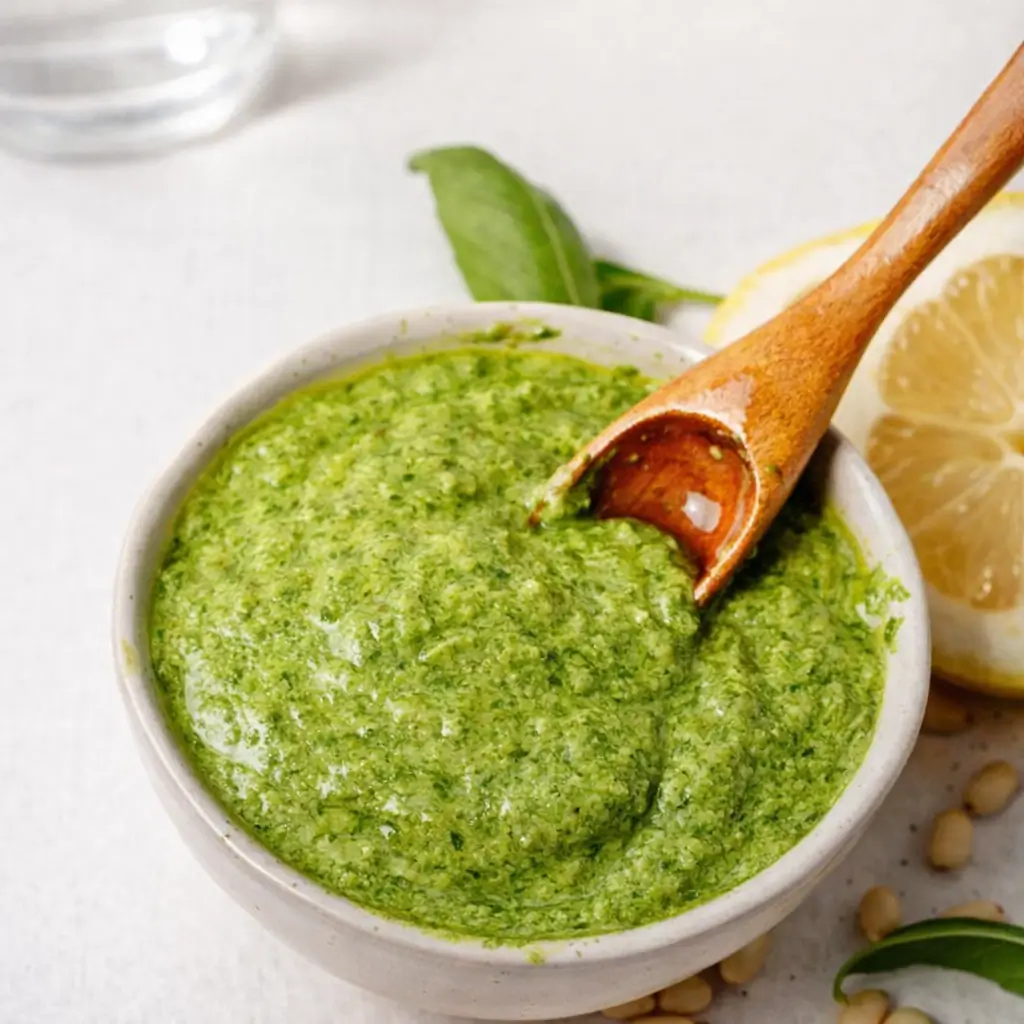
Basil Pesto is that one secret sauce you never knew your kitchen needed—until you’ve tasted it homemade. With its vibrant green color and that punchy, savory flavor, it somehow makes plain pasta feel fancy, sandwiches feel gourmet, and even scrambled eggs a little more brunch-worthy. Basil pesto is made with just a handful of real-deal ingredients, blended into a thick, silky sauce that feels like summer in a jar.
While store-bought versions can be handy, there’s nothing quite like whipping up your own at home. It’s fast, easy, and surprisingly therapeutic (plus, your kitchen ends up smelling like an Italian herb garden, which is a win in itself). Whether you’re a seasoned cook or still a little unsure which blade goes where in your blender, this step by step guide will walk you through how to make basil pesto that’s fresh, flavorful, and completely irresistible. Ready to upgrade your sauces and dips game? Let’s do it—basil pesto-style.
Table of Contents
What is Basil Pesto?
Basil pesto is a classic Italian sauce traditionally made by crushing fresh basil leaves with garlic, pine nuts, Parmesan cheese, and olive oil. It originated in Genoa (Italy), and the original name “Pesto alla Genovese” hints at the old-school way it was made—by pounding everything together with a mortar and pestle. These days, though, we let our blenders or food processors do the heavy lifting.
While there are many creative pesto variations out there (think spinach, kale, or sun-dried tomato), basil pesto remains the gold standard. It’s bold, aromatic, and slightly nutty with that signature cheesy-salty tang. You can use it as a pasta sauce, sandwich spread, pizza topping, or even as a drizzle over grilled meats and veggies. And because it’s no-cook, it keeps all the fresh flavor of the ingredients intact. If you’re trying to keep things delicious but quick, basil pesto is your go-to green goddess of sauces.
Reasons to Try Basil Pesto
Let’s be honest—life gets busy, and dinner decisions can get overwhelming. That’s where basil pesto swoops in like the superhero condiment we didn’t know we needed. First, it’s ridiculously fast. I’m talking 5-minute prep fast. Second, it’s made from simple ingredients that most of us already have—or can find without a scavenger hunt. Plus, it’s versatile to the max.
You can toss it into pasta, spread it on sandwiches, spoon it over grilled chicken, or even mix it into soups like this healthy broccoli cheddar soup. It’s also a lifesaver if you’ve got picky eaters—kids tend to love the rich, cheesy, garlicky flavor, even if they don’t know they’re eating greens. Oh, and did I mention how much better homemade basil pesto tastes compared to the store-bought stuff? It’s not even close. Once you go fresh, you don’t go back.
Ingredients Needed to Make Basil Pesto
- ½ cup toasted pine nuts (store-bought or toasted at home in a skillet for 3–5 minutes)
- Juice from ½ lemon (about 1½ tablespoons)
- 2 garlic cloves (peeled)
- ¼ teaspoon kosher salt
- Freshly ground black pepper (to taste)
- ⅓ cup good-quality extra virgin olive oil (plus more if needed)
- ⅓ cup finely grated Parmesan cheese (not pre-shredded for best texture)
- 2 packed cups fresh basil leaves (rinsed and patted dry)
Instructions to Make Basil Pesto – Step by Step
Step 1: Toast the Pine Nuts (if needed)
If you bought raw pine nuts, give them a quick toast for deeper flavor. Just heat a dry skillet over medium and toss the pine nuts around for a few minutes until they’re golden and smell slightly nutty. Watch them like a hawk—these guys can go from toasty to burnt faster than your toddler goes from calm to chaos. Once they’re ready, remove them from the pan and let them cool while you prep the other ingredients.
Step 2: Blend the Base
In your food processor or high-speed blender (I use my trusty Vitamix ONE), add the cooled pine nuts, lemon juice, peeled garlic cloves, kosher salt, a few grinds of black pepper, olive oil, and the grated Parmesan cheese. Now hit blend. You’re looking for a smooth but slightly textured mixture—chunky enough to still feel homemade but smooth enough to spread. This initial step is key for giving your pesto a creamy base, and it takes about a minute to get there.
Step 3: Add the Fresh Basil
Now for the star of the show—those vibrant basil leaves. Add them in and blend again for about 1–2 minutes, scraping down the sides if needed. The goal here is to break down the basil without over-blending (because nobody wants bitter basil from overheated blades). If your pesto is looking too thick, go ahead and drizzle in a little more olive oil—up to 2 extra tablespoons—until you reach your preferred consistency. I like mine a little on the thick side for spreading, but you can make it thinner if you’re tossing it with warm pasta.
Step 4: Taste and Adjust
Here’s your chance to make it your own. Give your pesto a little taste—does it need more salt? A pinch more cheese? Maybe an extra squirt of lemon if you like a zippier flavor? Go ahead and tweak it. That’s the beauty of homemade—you’re the boss. You could even add a spoonful of ricotta or swap pine nuts for walnuts or almonds if you’re feeling experimental (kind of like I do in my creamy dreamy pasta salad).
Step 5: Store it Like a Pro
Transfer your finished basil pesto into a clean jar and smooth the top. Drizzle a thin layer of olive oil over the surface to keep it from turning brown. Pop on a lid and store it in the fridge. It’ll stay bright and tasty for up to 2 weeks. Want to keep it even longer? Freeze it! I love freezing mine in ice cube trays for quick single-serve portions—perfect for jazzing up a weeknight dinner without breaking a sweat. Let it thaw overnight in the fridge, or just stir it straight into warm pasta and let the heat do its thing.
What to Serve with Basil Pesto
Oh, where do we even begin? Basil pesto is like the little black dress of condiments—it goes with everything. Toss it with pasta for an easy weeknight dinner, or mix it into warm grain bowls for added flair. It’s magical spread over crusty bread or spooned over grilled chicken, like in our maple rosemary grilled chicken recipe. You can also stir it into soup to add depth, drizzle it on roasted veggies, or use it as a dip with fresh cucumber or carrot sticks. Try it as a dressing base for something like this chicken Caesar pasta salad—trust me, it’s chef’s kiss level good.
Key Tips for Making Basil Pesto
First, fresh is best. Use fresh basil leaves, not the wilted kind that’s been sitting in your fridge for a week. Second, quality ingredients make all the difference. Since this recipe is raw, every flavor shines through—especially the olive oil and Parmesan. Third, don’t over-blend the basil or you’ll risk bitterness. A little texture is a good thing. If your pesto starts to brown in storage, just stir it and add a splash of oil. And finally, don’t be afraid to play. Add a pinch of red pepper flakes, sub in spinach or arugula, or use different nuts if you’re out of pine nuts. Flexibility is your friend here.
Storage and Reheating Tips Basil Pesto
Once made, basil pesto is pretty low maintenance. Store it in a sealed glass jar in the fridge for up to 2 weeks. To prevent browning, always pour a thin layer of olive oil on top before closing the lid—it acts like a natural seal. For longer storage, freeze it in small containers or ice cube trays. The frozen cubes can go directly into hot pasta or sauces. If you’re reheating, remember this is a raw sauce, so don’t boil it. Just stir it into warm dishes or gently warm it in a pan on low if needed. Need dinner fast? One frozen pesto cube + cooked pasta = instant flavor bomb.
FAQs
Can I make this without pine nuts?
Yep! Walnuts, almonds, or even sunflower seeds work great. Just note the flavor will change slightly (but still be delicious).
Is it okay to skip the cheese for a dairy-free version?
Totally. You can leave it out or sub in a dairy-free alternative. A spoonful of nutritional yeast is a great swap.
What kind of olive oil should I use?
Use a high-quality extra virgin olive oil with a mild, fruity taste. This isn’t the place for that generic bottle you got on sale three years ago.
My pesto turned brown. What happened?
Basil oxidizes quickly. Make sure you seal it with olive oil and store it airtight. A splash of lemon juice helps too!
How do I use leftover pesto?
Where do we start? Toss with pasta, spoon onto toast, stir into soup (try our easy carrot soup), or even mix into scrambled eggs.
Final Thoughts
Basil pesto isn’t just a sauce—it’s a flavor-packed little miracle that can seriously transform a meal. Whether you’re a meal-prep queen or someone just trying to jazz up Tuesday night dinner, this step by step basil pesto recipe will become your new kitchen staple. Homemade pesto is quick, customizable, and way better than anything from a jar. And the best part? It’s totally freezer-friendly, so you can always have some on hand for those nights when you just can’t deal. Give this a try and let it brighten up your cooking—one spoonful at a time.
Follow us on Pinterest for weekly slow cooker inspiration, or join the conversation over on our Facebook page where fellow food lovers share their favorite comfort meal.
Print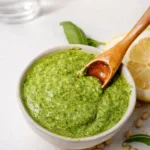
Basil Pesto (Step by Step) – Simple, Fast & Delicious
- Prep Time: 5 minutes
- Cook Time: 0 minutes
- Total Time: 5 minutes
- Yield: 1 cup
- Category: Sauce
- Method: Blender
- Cuisine: Italian
- Diet: Vegetarian
Description
This homemade basil pesto is a fresh, flavorful condiment made with simple ingredients and ready in minutes. It’s incredibly versatile and tastes so much better than store-bought pesto.
Ingredients
- 1/2 cup toasted pine nuts
- Juice from 1/2 lemon (about 1 1/2 tablespoons)
- 2 garlic cloves
- 1/4 teaspoon kosher salt
- Black pepper, to taste
- 1/3 cup extra-virgin olive oil, plus more as needed
- 1/3 cup finely grated Parmesan cheese
- 2 cups fresh basil leaves
Instructions
1. Add the pine nuts, lemon juice, garlic, salt, pepper, olive oil, and Parmesan cheese to a food processor or high-speed blender. Blend for about 1 minute, leaving some texture.
2. Add the fresh basil and blend again for 1–2 minutes until combined.
3. Taste and adjust seasoning with more salt and pepper if needed. Add up to 2 tablespoons additional olive oil for a thinner pesto.
4. Use immediately or store in an airtight jar with a thin layer of olive oil on top to prevent browning.
Notes
Toasted Pine Nuts: You can buy them pre-toasted or toast raw pine nuts in a dry pan over medium heat for a few minutes.
Storage: Pesto keeps in the refrigerator for up to 2 weeks. Freeze for up to 6 months or portion into ice cube trays for easy use.