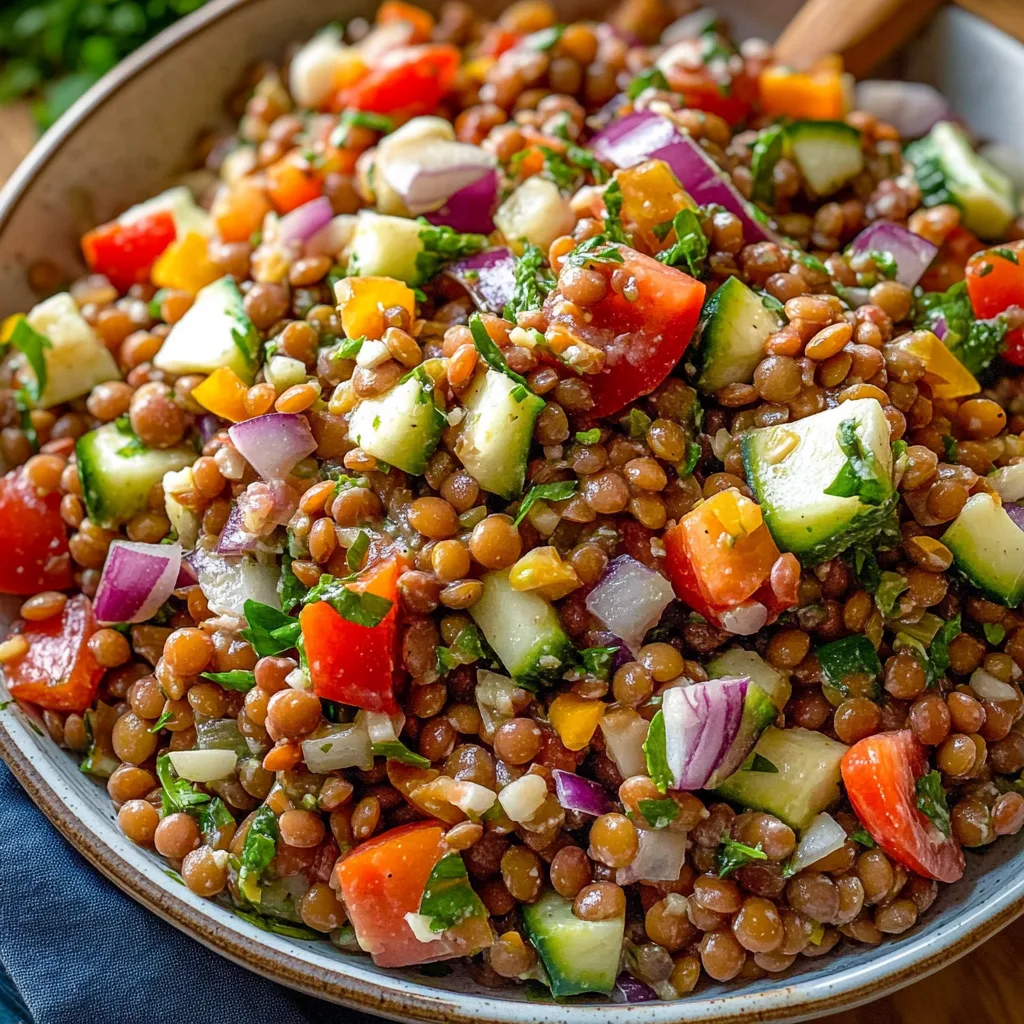
The Mediterranean lentil salad is a celebration of clean, sun-drenched flavors that nourish both body and soul. This vibrant dish transforms simple pantry staples into something extraordinary, layering the earthy richness of lentils with the bright tang of marinated vegetables and a creamy feta finish. Whether you’re meal prepping for the week or looking to stretch a plant-based feast, it’s the kind of salad that feels like a breeze to make yet leaves lasting memories on your taste buds.
What makes it shine is how it captures Mediterranean simplicity—no need for fancy equipment or rare ingredients. Just a handful of unpretentious components create a symphony of texture: plump lentils for heartiness, crisp cucumbers to refresh, and Kalamata olives for that signature briny depth. Even the dressing acts as a secret weapon, tying everything together with olive oil’s warmth and mustard’s subtle piquancy. Call it a protein-rich meal or a vibrant side dish, this salad adapts effortlessly to your plate.
What is Mediterranean Lentil Salad?
At its core, the Mediterranean lentil salad is an ancient culinary tradition reimagined for modern kitchens. Rooted in the nutrient-dense eating patterns of coastal Mediterranean regions, this dish highlights the versatility of lentils—used here not just as a protein source but as the canvas for bold flavors. The combination of preserved lemons, vibrant vegetables, and artisan cheese creates a refreshing contrast that mirrors the sea-breeze of the Greek islands or the sun-drenched fields of Sicily.
Key to the salad’s appeal is its layered textures: the slight chew of the lentils grounds the lightness of the marinated vegetables and the creamy feta. Traditional versions often include red wine vinegar, but this recipe uses a tangy mustard-honey dressing to deepen the flavor while keeping it approachable. Unlike heavier meat-based salads, this version relies entirely on the natural umami of lentils and the saltiness of olives to create depth. It’s also naturally gluten-free when made with the right ingredients—a bonus for those mindful of their dietary needs.
Reasons to Try Mediterranean Lentil Salad
This salad is a culinary multitasker that fits every lifestyle chapter. For the busy parent, it’s a 15-minute solution that requires minimal chopping and no grilling. For the health enthusiast, lentils provide 14g of protein per serving, while cucumbers and bell peppers offer cooling hydration. Even those new to plant-based cooking will appreciate how the feta bridges the gap between traditional and modern tastes.
What truly makes this recipe special is its adaptability. Use any lentil color you have—from earthy brown to plump black beluga—the result remains satisfying. The vinegar-drenched vegetables develop a subtle tang over time, meaning the salad tastes better with a bit of fridge aging. It’s also the kind of dish that begs to be shared: crumble extra feta on top, add a few roasted beets for color, and serve it alongside crusty focaccia for a nourishing meal that brings people together.
Ingredients Needed to Make Mediterranean Lentil Salad
- 2 cans (15 oz / 400 g each) lentils (drained and rinsed) or 3 cups of cooked lentils
- 2 cups cherry tomatoes, quartered
- 1 cup bell peppers (green or yellow preferred), diced
- 1½ cups cucumber, peeled and diced (English or Persian for milder flavor)
- ½ cup red onion, thinly sliced
- 1/3 cup Kalamata olives
- 4 ounces feta cheese, crumbled
- 4 tablespoons extra virgin olive oil
- 2 tablespoons red wine vinegar or apple cider vinegar (for alcohol-free option)
- 1 tablespoon Dijon mustard or yellow mustard (adjust to taste)
- 1 tablespoon honey or maple syrup
- 1 teaspoon dried oregano
- ½ teaspoon salt plus black pepper to taste
Tip: Use pre-drained canned lentils for speed, or cook your own for fresher texture
For a vegan version, substitute plant-based feta and use maple syrup in place of honey
Choose firm produce like heirloom tomatoes to avoid sogginess in the finished dish
Instructions to Make Mediterranean Lentil Salad
Step 1: Create the Signature Marinade
Begin with a large mixing bowl as your culinary canvas. Whisk together the olive oil with vinegar until you notice a gentle separation forming—this emulsification will help the dressing cling to everything, not just sit in the bottom of the bowl. Add the mustard, which acts as both a stabilizer and a flavor anchor, then stir until incorporated. The honey will dissolve more cleanly if the oil is still slightly warm from mixing. Swirl in the oregano and salt, ensuring the spice particles are fully awakened in the liquid. This golden mixture will infuse each lentil with a subtle tang while keeping the cheese from becoming soggy.
To adjust for dietary needs, swap the vinegar for freshly squeezed lemon juice and ensure your olives are naturally salted. For those who prefer a bit more crunch, add a splash of water to dilute the dressing slightly—this encourages even coating without overpowering delicate ingredients. You’ll want the dressing to be bright and lively, not a heavy marinade, to preserve the salad’s refreshing character.
Step 2: Let the Lentils Soak In
Now add the lentils directly to the bowl, making sure there’s a bit of space between them rather than a dense pile. Use your hands or a spatula to gently separate them while tossing with the dressing. The goal here is to distribute the liquid evenly, so each lentil becomes a tiny flavor bomb. If you prefer black lentils for their speckled appearance, drain them more thoroughly since their lower water content absorbs the dressing faster. Resist the urge to add them immediately—you’ll give them 15-20 minutes to absorb all the tangy essence, transforming them from ordinary to extraordinary.
This marinating time is when the magic happens, much like the quiet moments that make meal prep meaningful. As the lentils soak in, their texture softens to a satisfying chew while the vinegar begins to brighten them. You can use this time to chop vegetables with intentional care: make the bell peppers uniformly small, ensure cucumber cubes are crisp, and slice red onion thinly but not paper-thin to avoid over-tenderness.
Step 3: Add Layered Vegetables
After marinating, add the cherry tomatoes in a single layer first. Their high water content means they should go in after the lentils absorb the dressing. Use a sharp knife to quarter them—precision here ensures even bites later. Add the bell peppers and cucumbers next, gently folding everything until the vegetables become part of the vibrant tapestry. The cucumbers cool the dish instantly; their freshness is a perfect counterbalance to the lentils’ earthiness and the dressing’s warmth.
For a summery twist, substitute chopped heirloom tomatoes for a pop of color and sweetness. If you want richer depth, add a handful of fresh dill alongside the oregano. The red onion will mellow during marination, releasing its sweetness without overpowering—this is a great example of how time transforms even the sharpst ingredients into harmony. Kalamata olives contribute just the right amount of brininess; if they’re too salty for you, rinse them briefly before adding.
Step 4: Finalize with Herbal Notes
At this stage, the feta cheese becomes essential. It’s the anchor spice, bringing creamy saltiness that elevates the whole salad. Crumble it between your fingers and distribute the flakes as evenly as possible—you want every forkful to encounter a hint of cheese. If you prefer to keep the cheese intact for texture contrast, reserve half for garnishing instead. This final toss creates cohesion between components and ensures no element is left behind in the dressing pool.
Chef’s Tips for a Perfect Result
Pre-drain lentils for 10 minutes after opening cans. This is the single most impactful step toward avoiding a muddy texture—dry lentils will soak up the dressing instead of repelling it.
Use room-temperature feta if possible. The cheese crumbles more easily at this stage and integrates better into the salad’s layers. If you must refrigerate, let it sit out for 15 minutes first.
Maintain uniform vegetable sizes by measuring portions and using a mandoline for precision. This ensures visual appeal and consistent texture in every bite.
Let the salad rest in the refrigerator for at least 30 minutes before serving. The flavors marry beautifully in a cool environment, and the tomatoes maintain their integrity longer this way.
For texture contrast, add raw radishes or a sprinkle of toasted sunflower seeds just before serving. These additions keep the dish interesting during meal prep leftovers.
Variations and Substitutions
Vegan Option
- Replace feta with crumbled tofu marinated in lemon and nutritional yeast
- Substitute honey with pure maple syrup or agave nectar
- Result: A slightly grainier texture but equally satisfying umami flavors
Gluten-Free Alternative
- Ensure all olives and feta are certified gluten-free
- Confirm vinegar is naturally gluten-free (apple cider vinegar is safest)
- Impact: No major changes in flavor but peace of mind for cautious eaters
Low-Carb Version
- Reduce cucumber portion to ½ cup and add arugula or spinach for volume
- Swap honey with a teaspoon of stevia or monk fruit syrup
- Adjustment: Lightly drape feta on top rather than mixing fully—preserves creaminess longer
Winter Edition
- Add roasted butternut squash cubes for heartiness
- Incorporate cooked bulgur wheat for texture
- Impact: Creates a cozier salad with more substantial mouthfeel
Budget Swap
- Use store-brand lentils and local seasonal tomatoes for cost efficiency
- Impact: Full flavor retention with a 40% cost savings
How to Serve and Pair
Serve this salad in wide, shallow bowls to showcase its vibrant colors. Let it rest for 15 minutes at room temperature before plating to ensure everything is properly marinated. Top with fresh basil or edible flowers for a final flourish that ties meal presentation to mindful eating.
Pair it with crusty, whole-grain bread for a grain-centric Mediterranean meal. For a protein boost, serve alongside grilled shrimp skewers or baked halloumi. If you want vegetarian heartiness, add warm pita triangles on the side. The dressing’s mustard undertones make it surprisingly complementary with grilled zucchini or roasted eggplant dishes.
When entertaining, dress individual portions at the last minute to maintain texture contrast. The salad holds up perfectly in mason jars for layered, make-ahead meals—just store olive oil-based dressings separately from the lentils to preserve freshness.
Storage and Reheating
Refrigerator
Store in an airtight glass container for up to 5 days. Keep vegetables and lentils separated if storing longer than 3 days to avoid excess moisture. Always use fresh containers for each serving to maintain optimal texture.
Freezer
Though not ideal, portions can safely freeze for 2 months. Divide into portion-sized silicone bags for easy thawing. Expect some softening—add fresh veggies when serving frozen leftovers to restore crunch.
Room Temperature
A ready-to-go meal, it keeps well in the fridge for 4 hours. For picnics or outdoor meals, use an insulated container with a cooler pack to maintain safe temperature and freshness.
Reheating
Gently warm small portions in the oven at 325°F (160°C) for 10-15 minutes until just heated through. For crispier elements, toast pita slices alongside. Microwaving softens vegetables quickly—limit to 2-3 minutes and refresh with lemon juice afterward to restore brightness.
Add extra dressing to rejuvenate dried-out leftovers, or stir in chopped fresh mint for a refreshing update. These small acts of care revive the salad while staying true to its original character.
Nutritional Values
- Per Serving: 405 kcal
- Protein: 16 g
- Carbohydrates: 37 g
- Fat: 23 g
- Fiber: 12 g
Approximate values based on standard ingredients and preparation methods.
Frequently Asked Questions
Can I use dried lentils instead of canned?
Absolutely—just cook them in salted water first. Drain thoroughly (15 minutes is ideal) before marinating to prevent excess moisture. They’ll add a slightly denser texture that’s still delightful if handled right.
How do I know when the salad is finished marinating?
It’s ready when lentils have darkened slightly and the vegetables retain their firmness while releasing a bright tang. At least 30 minutes in the fridge is recommended for full flavor development.
Why is my feta disappearing into the mix?
Tiny cheese bits melt faster. For structural integrity, use full blocks of feta when tossing, then let them soften slightly in the fridge. This maintains texture while allowing salt to distribute evenly.
Can I prep this salad for the whole week?
Yes, but store ingredients separately. Keep the dressing and lentils together in glass containers, while veggies should go into their own for up to 4 days. Reassemble just before serving for best results.
What’s the best way to adapt for cold-weather eating?
Add warmth with cooked bulgur wheat or roasted chickpeas. A bit of paprika or warm spices like cinnamon can mimic the comforting tones of winter harvests while staying Mediterranean.
Conclusion
The Mediterranean lentil salad is a quiet marvel that proves simple foods can create profound joy. Its layers of umami, crispness, and tang make it perfect for mindful eating while nourishing your body with plant-based goodness. From the first zesty bite to the last crumbly feta note, this recipe embodies the beauty of intentional cooking—a reminder that healthy meals can be both generous and deeply satisfying.
Print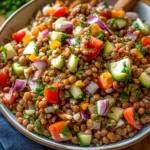
Mediterranean Lentil Salad
- Prep Time: 15
- Cook Time: 30
- Total Time: 45
- Yield: 6 servings
- Category: Recipes
- Method: Stovetop
- Cuisine: Mediterranean
- Diet: Lacto-Vegetarian
Description
A protein-rich, plant-based salad with earthy lentils, crisp cucumbers, briny olives, and creamy feta, tied together by a tangy mustard-honey dressing. Gluten-free and endlessly versatile.
Ingredients
1 cup dried green or brown lentils
2 cups water (for cooking lentils)
1 English cucumber, diced
1/2 red onion, thinly sliced
1 cup Kalamata olives, pitted
1 cup crumbled feta cheese
1/4 cup extra virgin olive oil
1 tbsp honey
1 tbsp Dijon mustard
1 tbsp fresh lemon juice
1 tsp dried oregano
1/2 tsp sea salt
Fresh parsley or dill for garnish
1 chili flake (optional)
Instructions
Rinse lentils and cook in 2 cups water for 15-20 minutes until tender. Drain and let cool.
Dice cucumber and mix with red onion, Kalamata olives, and cooled lentils in a large bowl.
Whisk olive oil, honey, Dijon mustard, lemon juice, oregano, salt, and chili flake (if using) for the dressing.
Pour dressing over the salad and gently toss to combine.
Fold in crumbled feta cheese just before serving.
Garnish with fresh herbs and serve chilled or at room temperature.
Notes
Lentils can be cooked in advance and refrigerated for 3 days.
Substitute black beluga lentils for a chewier texture.
Marinate vegetables in the dressing for 1 hour to deepen flavors.
Store in an airtight container in the fridge for up to 4 days.
Add cherry tomatoes or bell peppers for extra color and hydration.