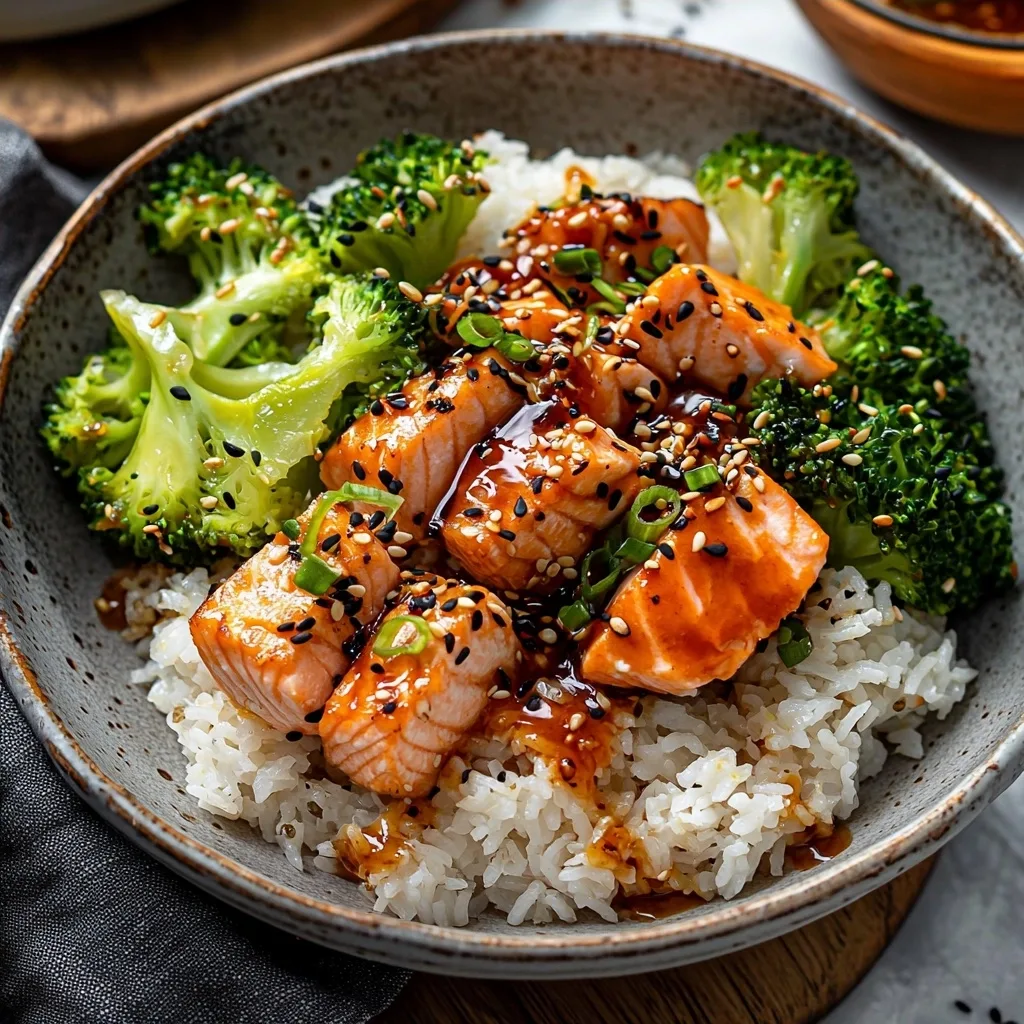
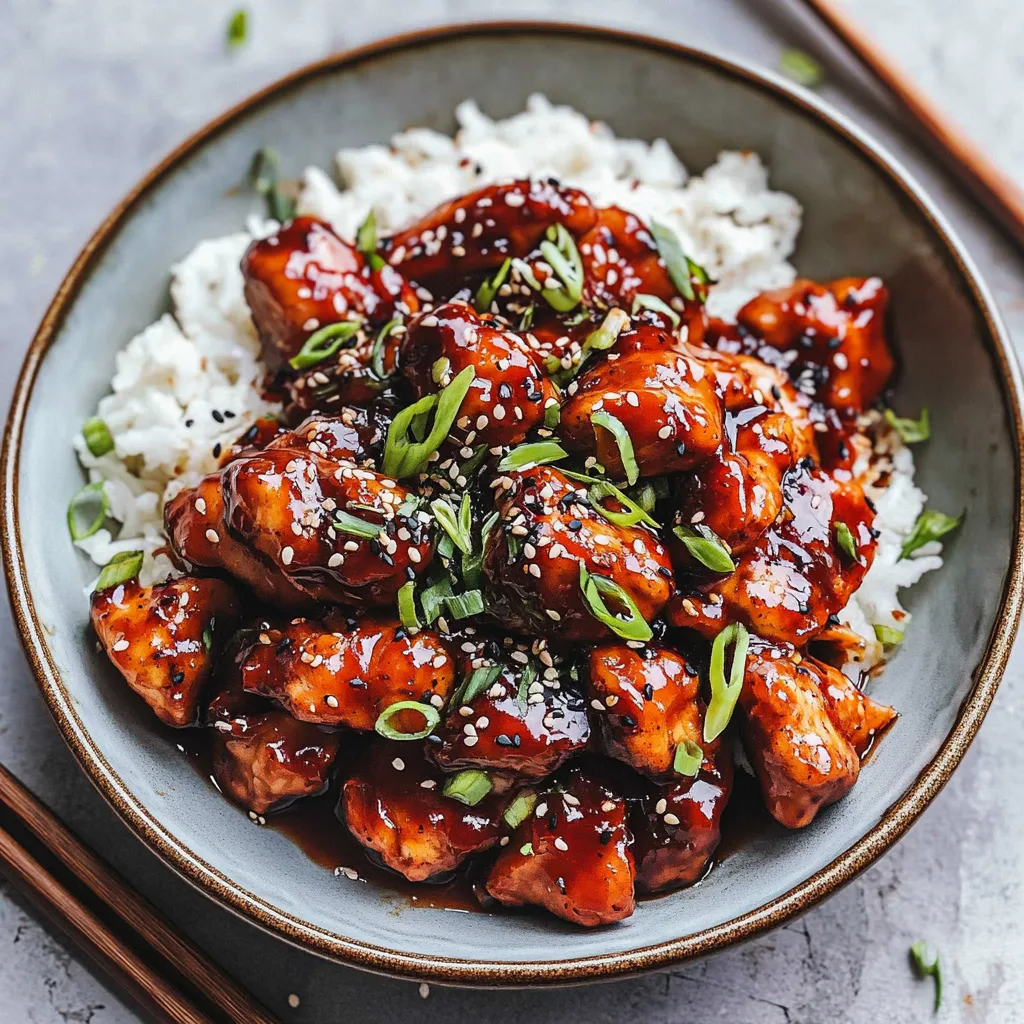
Korean BBQ Chicken is the sweet-and-smoky rebellion of modern street food, turning simple ingredients into a flavor-packed spectacle. Whether you’re marinating chicken on a weekday dinner rush or hosting a backyard gathering, this dish bridges the gap between convenience and indulgence. The marriage of glossy, garlicky sauce, tender meat, and those crispy charred edges on the grill makes it a universal crowd-pleaser. What makes it extra special? It’s not just a meal—it’s an experience, from prepping the skewers to the final dip in that tangy, sticky sauce.
What is Korean BBQ Chicken?
Korean BBQ Chicken, or dak galbi, has roots in Korean street food culture but has evolved into a global favorite for its bold flavors. Traditionally, it features marinated chicken grilled through the fat over an open flame, but this modern version simplifies the process while maintaining the essence of sweet, spicy, and umami-driven seasoning. The signature sauce—a blend of soy, brown sugar, sesame, and garlic—coats the chicken in a lacquered glaze that caramelizes on the grill. Unlike typical barbecue, the focus is on balance, with each bite offering a harmony of sweet, tangy, and savory notes.
What sets this recipe apart is its versatility. It works equally well with grilling, baking, or even air frying, making it accessible to all kitchen setups. The key ingredients—soy sauce, rice vinegar, and sriracha—create a quick marination that softens the chicken while infusing it with Korean pantry staples. For an authentic touch, a sprinkle of toasted sesame seeds and slivered green onions finishes the dish with aromatic brightness.
Reasons to Try Korean BBQ Chicken
Anyone who craves quick, satisfying meals with restaurant-level flavor should add Korean BBQ Chicken to their repertoire. The recipe comes together in 30 minutes flat, with most of the time spent watching the chicken char on the grill—perfect for busy weeknights or feeding a hungry crowd. The sauce is forgiving (and forgiving for the freezer), meaning you can whip up a batch and use it across multiple dishes from the same amount of prep. Plus, the dish naturally scales up, making it a flexible option for potlucks or meal prep.
Beginners will appreciate the minimal knife work—no need for precise cuts, just one sturdy chopping board. Even without a grill, the baking instructions ensure oven-ready success. For families, the mild heat level makes it kid-friendly, while adventurous eaters can adjust the spice via sriracha or chili flakes. And let’s not forget the nostalgia factor: the sizzle of the chicken hitting the heat, the perfume of garlic and sesame, and the satisfying chew of charred edges make it a multisensory joy.
Ingredients Needed to Make Korean BBQ Chicken
- 1½ pounds boneless skinless chicken breasts, cut into 1.5-inch pieces
- Salt and freshly ground black pepper
- 1 teaspoon Asian five spice (optional, but recommended for depth)
- 3 green onions, finely chopped (white and light green parts only)
- Steamed rice or cooked noodles for serving (optional, but traditional)
Korean BBQ Sauce:
- ½ cup low-sodium soy sauce (see note for teriyaki alternative)
- ⅓ cup brown sugar (light or dark both work)
- 4 tablespoons rice vinegar (for tang)
- 2 tablespoons toasted sesame oil
- 1 tablespoon sriracha sauce or 1 teaspoon crushed red pepper flakes
- 1 tablespoon minced garlic (store-bought or freshly minced)
- 2 tablespoons cold water + 2 teaspoons cornstarch (to create a glossy finish)
Instructions to Make Korean BBQ Chicken – Step by Step
Step 1: Craft the sauce with purpose
Start by combining the soy sauce, brown sugar, rice vinegar, sesame oil, garlic, and spice (if using) in a medium saucepan. Bring to a gentle boil over medium-high heat, stirring to ensure the sugar dissolves. This balancing act of tangy vinegar and sweetness is where the magic happens. Once the mixture simmers, whisk 2 tablespoons of cold water and 2 teaspoons cornstarch into it and reduce heat—you want to thicken the sauce enough to cling to the chicken without being gluey. Divide it into two bowls: one for marinating and another for drizzling later.
Step 2: Prepare the chicken for transformation
Cut the chicken into even pieces (1.5 inches) to ensure even cooking. Season each piece with salt, pepper, and five spice. If using wooden skewers, double-check they’re soaked in water for at least 30 minutes to avoid charring. Now, the moment no one sees: toss the chicken in the reserved sauce on the counter. This marination infuses each bite with layers of umami and sweetness—you’ll notice it immediately when the chicken hits the heat.
Step 3: Grill or bake to perfection
If grilling, preheat your grates to medium-high (around 400°F) and oil them gently with a paper towel dipped in vegetable oil. Thread the chicken onto skewers, ensuring there’s room between pieces for airflow. For the first 5 minutes, let the chicken sear undisturbed (no flipping!)—this step builds those coveted caramelized edges. Flip halfway and baste generously with the remaining sauce after each turn. Resist the urge to flip too often; let the sugar in the sauce work its charm, creating a lacquered glaze.
If baking, place skewers on a flat baking sheet and slide them into a 400°F oven. Baste twice during the 10-12 minute cooking time with a spoonful of sauce. Check for doneness by cutting into a piece—the chicken should be opaque and flaky. For oven users, the magic moment is when the sauce dries slightly, forming a crunchy veneer around each piece.
Step 4: Present like a Korean chef
Once cooked, serve immediately over warm steamed rice for a traditional presentation. Spoon the reserved sauce on top and garnish with finely chopped green onions and sesame seeds for that finishing sparkle. A wedge of lime balances the richness if the sweet notes get overwhelming. For a low-carb option, serve with a soy-slaw and pickled cabbage on the side.
Chef’s Tips for a Perfect Result
- Double the sauce: Half gets used for marination, the other saved for serving. Trust me—the extra jar in the fridge is a late-night snack champion.
- Chill the chicken first: Cold chicken firms up the texture, helping it hold its shape on the skewers without falling apart.
- Thicken without boiling: If time is tight, mix the cornstarch slurry and refrigerate it overnight. The starch gelatinizes slowly, reducing thickening time to 1 minute.
- Upgrade with gochujang: Add 1 teaspoon of fermented Korean chili paste for complexity—a touch like a whisper of fire.
- Avoid grilling mishaps: If the chicken starts blackening, reduce heat to medium. The goal is caramelization, not char.
Variations and Substitutions
Vegan/legal option:
Replace chicken with halved firm tofu or eggplant. Press tofu for 30 minutes to remove moisture.
Gluten-free Version:
Use tamari instead of soy sauce. Most cornstarch is gluten-free, but verify the brand.
Low-Carb Alternative:
Replace brown sugar with 2 tablespoons of liquid monk fruit or allulose sweetener (0g net carbs).
Budget-Friendly Swap:
Use pork tenderloin instead of chicken breasts. Adjust cooking time by 2-3 minutes per side.
Quick Extra Spice:
Add 1 minced jalapeño to the sauce for a fresh heat contrast. Seeds removed makes it mild for kids.
How to Serve and Pair
While Korean BBQ Chicken stands alone with its bold sauce, pairing it thoughtfully elevates the meal. Serve it over fluffy white rice with a side of quick-pickled cucumbers to cut through the richness. For a Korean twist, add a spoonful of gochujang-garlic aioli as a dipping sauce—or top the rice with a fried egg for chaebuns energy. Kimchi is non-negotiable in my house—its tangy bite balances the sweetness. Garnish with toasted sesame seeds and microgreens for added texture.
Presentation-wise, plate the skewers leaning against a rice mound in a shallow bowl. For parties, set up a DIY saucing station with extra sauce, lime wedges, and gochujang. Want to dress it up for a dinner party? Serve it in lettuce wraps with a slaw and soy-ginger dressing for a Korean-inspired kimchi tacos.
Storage and Reheating
Refrigerator
Store leftovers in an airtight container for up to 3 days. The sauce may thicken slightly in the fridge—simply warm a bit in the microwave before reheating the chicken.
Freezer
Freeze cooked skewers individually on a parchment-lined tray, then transfer to a zip-top bag for up to 2 months. Label with “reheat in oven” to preserve texture.
Room Temperature
Leftovers can safely sit for 2 hours, ideal for potlucks. Re-warm in a hot skillet for 2-3 minutes to re-crisp the edges.
Reheating
Best method: Bake at 350°F for 10 minutes. For perfect carryout-style texture, reheat on a grill pan with a thin layer of water and a lid—this steam-softens the chicken while keeping the glaze sticky.
Nutritional Values
- Calories: 351kcal
- Protein: 38g
- Carbohydrates: 22g
- Fat: 11g
- Fiber: 1g
Approximate values.
Frequently Asked Questions
Can I substitute chicken with shrimp for a quick seafood version?
Use 1 pound of peeled and deveined shrimp. Cook on the grill for 3-4 minutes per side until curled and pink. Shrimp cooks fast, so marinate only 15 minutes to avoid moisture loss.
How do I know the chicken is done without a thermometer?
The chicken is done when the skewers turn a golden brown and the meat is opaque throughout. Press gently with tongs—it should spring back slightly instead of feeling spongy.
Why did my sauce become too bitter?
Over-reducing the sauce can amplify the soy’s sodium. Stick to 3-4 minutes on medium heat, or refrigerate marinated chicken to concentrate flavors without caramelizing.
Can I make the sauce ahead of time?
Absolutely! Store it in the fridge for up to 5 days. Give it a quick reheating over low heat and whisk in 1 tablespoon water for a pourable consistency.
What sides pair with Korean BBQ Chicken for a plant-based dinner?
Try grilled bok choy florets or zucchini slices with a drizzle of the same sauce. Add a warm quinoa salad for a balanced grain base.
Conclusion
Korean BBQ Chicken isn’t just a recipe—it’s a joyful celebration of bold, contrasting flavors. Between the soy sweetness and garlic kick, it’s a dish that feels both familiar and excitingly new. Whether you’re grilling for two or feeding a crowd, this recipe promises a delicious compromise between effort and reward. And with that final glint of toasted sesame and green onion on top? Every bite is sunshine and smoky warmth.
Korean BBQ Chicken: Master the Flavors of Street-Style Grilled Perfection
- Prep Time: 15
- Cook Time: 25
- Total Time: 40
- Yield: 6 servings
- Category: Recipes
- Method: Grilling / Baking / Air Frying
- Cuisine: Korean
Description
A sweet-and-smoky Korean BBQ chicken recipe with a glossy garlic-laced sauce, crispy charred edges, and a balance of spicy, tangy, and savory flavors. Perfect for weeknight dinners or gatherings.
Ingredients
1½ pounds boneless skinless chicken breasts, cut into 1.5-inch pieces
1 tablespoon soy sauce
2 tablespoons brown sugar
2 cloves garlic, minced
1 tablespoon rice vinegar
1 teaspoon sesame oil
1 teaspoon sriracha (adjust to taste)
1 teaspoon ground sesame seeds (plus more for garnish)
½ teaspoon toasted sesame seeds
Salt and freshly ground black pepper
1–2 soy sauce spoonfuls (injected midway)
1 teaspoon Asian five spice (optional)
1 tablespoon sesame oil (for brushing)
1 tablespoon honey (optional, for caramelization)
Instructions
Pat chicken dry and season lightly with salt, pepper, and Asian five spice (if using).
In a bowl, whisk soy sauce, brown sugar, garlic, rice vinegar, sriracha, sesame oil, and ground sesame seeds to create the marinade.
Marinate chicken for 15–30 minutes.
Preheat grill to medium-high heat or preheat oven to 400°F (200°C).
Grill chicken for 8–12 minutes total, turning occasionally, and brush with sesame oil halfway through. For oven: place on a baking sheet and bake for 20–25 minutes, flipping midway.
If desired, inject additional soy sauce or brush with honey for enhanced glaze and caramelization.
Garnish with toasted sesame seeds and sliced green onions before serving.
Notes
Substitute soy sauce with tamari for gluten-free. Adjust spice level by adding more sriracha or chili flakes.
Great with steamed jasmine rice, kimchi, or bulgogi buns.
Marinate up to 24 hours for deeper flavor.
Leftover sauce can be frozen for up to 2 months.