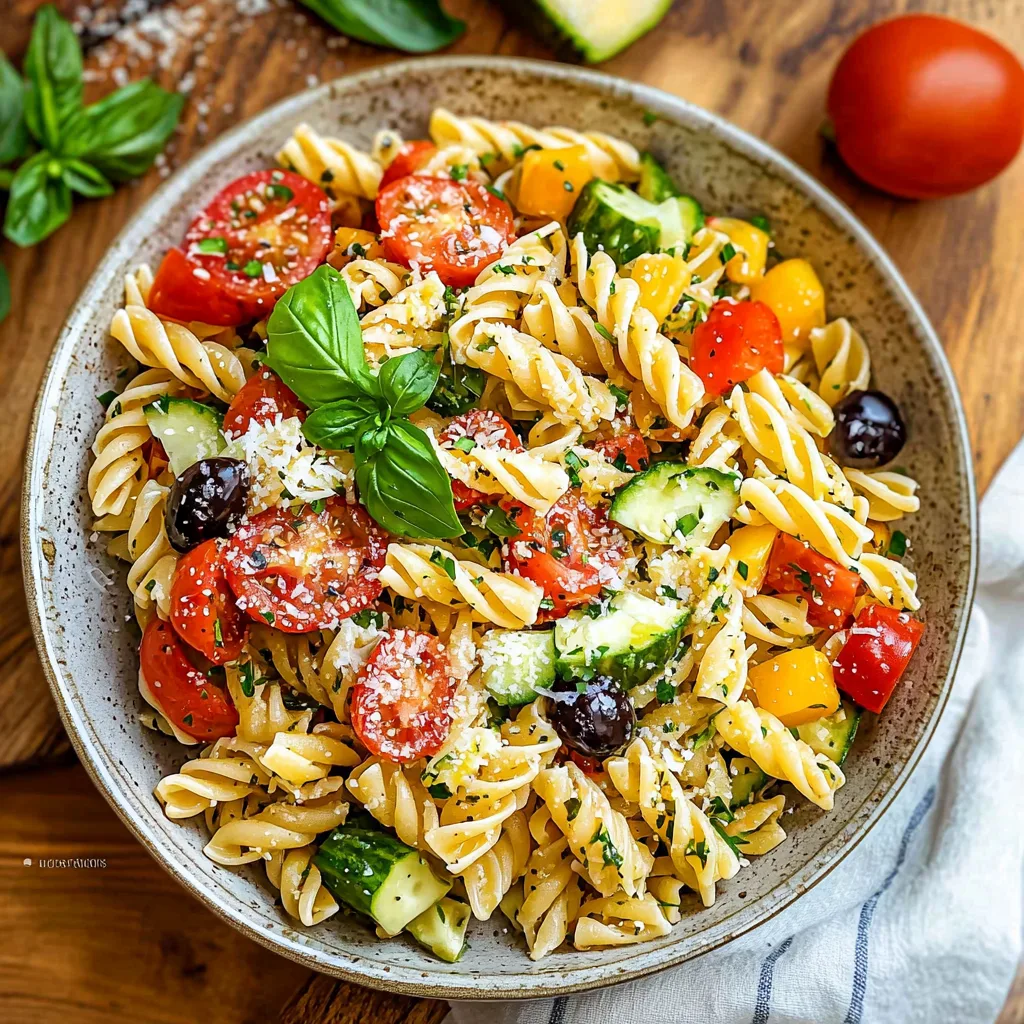
The easiest pasta salad is the kind of dish that feels like a gift – it requires minimal effort but delivers bursts of sunshine on your plate. As a home cook who’s prepped dozens of salads for my kids’ soccer games and family gatherings, I can tell you this version checks every box: crisp veggies, zesty dressing, feta to brighten each bite, and a preparation method that’s gentle on your time. Best of all, you don’t need a special recipe card if you follow the core principles, which I’ll share below so you can customize it for any occasion.
What makes this pasta salad a staple in southern Texas households (I grew up watching my mom toss similar batches in a big galvanized bowl) isn’t just the simplicity, but the way it evolves with each new version. Add roasted peppers from the farmer’s market, swap feta for crumbled goat cheese, or toss in whatever fresh herbs you have growing in your kitchen window. The beauty lies in its adaptability without losing that refreshing essence you crave on hot days.
What is the Easiest Pasta Salad?
This no-fuss variation of classic Italian pasta salad emerged from American kitchens as a way to repurpose leftover al dente pasta and transform it into a vibrant, no-cook-ready dish. The foundation consists of rotini (or any short pasta) cooled in cold water to stop the cooking process, creating that perfect firm but not chalky texture. Unlike many layered salads that require careful layering or complex sauces, the easiest version relies on a straightforward toss of pasta, chopped vegetables, and a zesty dressing.
What sets it apart from its counterparts is the absence of unnecessary steps. While some recipes demand pre-cooked vegetables or overnight chilling, this method uses room-temperature ingredients for immediate assembly. The signature element is the Italian dressing – either store-bought (with a quick check for alcohol content) or homemade using olive oil, red wine vinegar (substitute with white if avoiding alcohol), and herbs. Because no special equipment is required beyond a colander and a large bowl, it’s the perfect recipe for beginners or anyone short on kitchen tools.
Reasons to Try the Easiest Pasta Salad
Let’s be real – we’ve all spent hours overcomplicating our meals when we just want something nourishing and satisfying. The truth is, this pasta salad thrives in its simplicity. In less than 30 minutes, you can have 12 servings ready for your weeknight dinner, a potluck, or a last-minute picnic. Unlike elaborate salads that demand specific produce, you can use whatever veggies are in your fridge – zucchini from last night’s stir-fry, bell peppers from the bottom of the crisper drawer, or even shredded carrots if you’re feeling creative.
The versatility extends beyond ingredients. Need a vegan version? Skip the feta and add chickpeas for protein. Want to impress? Sprinkle toasted pine nuts for crunch. For families, the no-paste method removes the stress of overcooking, making it a reliable standby for parents (or anyone avoiding gluten). And because it holds up for 2-3 hours at room temperature, it’s my go-to side when we’re hosting backyard games or music festivals in Austin, where my kids love collecting new friends and samples of homemade lemonade.
Ingredients Needed to Make the Easiest Pasta Salad
16 ounces rotini or other medium pasta shape (check for gluten-free or whole wheat options)
1 medium English cucumber, chopped
1 pint grape tomatoes, halved
1 small bell pepper (any color), chopped
¼ cup finely diced red onion (or scallions for milder flavor)
1 cup Italian dressing (or make a quick version)
¼ cup sliced black olives (optional)
3 tablespoons fresh parsley, chopped
⅔ cup feta cheese, crumbled
Salt and freshly ground black pepper to taste
Key Preparation Notes:
– For best results, use pasta cooked al dente to maintain texture
– Chill cooked pasta under cold water to stop residual cooking
– Choose a dressing that balances acidity and oil – homemade options use ½ cup olive oil and ¼ cup vinegar
– Feta adds creamy tang, but can be omitted or reduced for lower sodium
Instructions to Make the Easiest Pasta Salad – Step by Step
Step 1: Start with your pasta base by boiling 16 ounces of rotini (or farfalle, rotini, etc.) in a single pot at a rolling boil. As the water comes to temperature, add a generous pinch of salt – this might seem small, but it seasons the pasta directly as it absorbs water. Most pasta packages suggest 8-10 minutes, but your goal is to achieve firm but not stiff noodles (al dente). Keep the timing on the shorter side if you’re preparing leftovers as the pasta will soften further in the dressing later.
Step 2: While the pasta cooks, prep your vegetables. Start with the hardest items first – chop the cucumber into bite-sized pieces, halve the grape tomatoes, and finely dice the bell pepper. For the red onion, aim for ¼-inch cubes that won’t overpower the salad. You can also add other favorites like shredded carrots or cooked corn here. I like to work in batches to keep everything fresh while assembling later. This is also a great time to open your Italian dressing so the aromatics (basil, oregano) can permeate the bowl.
Step 3: Once the pasta is cooked and cooled, drain it completely in a colander and then run cold water over it to stop the cooking process. This final rinse is crucial for achieving the right texture – if you skip this step, the pasta will continue to soften as it sits, potentially turning gummy over time. Toss the cooled pasta gently in the colander to distribute the water evenly before transferring it to the main mixing bowl. Now add all your chopped vegetables to the pasta and mix until the colors are well-distributed – this helps the dressing cling to everything evenly later.
Step 4: With your vegetables and pasta combined, add the dressing in batches. You can’t really over-dress this salad because the pasta will absorb it as it chills. Start by pouring in half the dressing, then toss everything until the pasta is shiny and the veggies have a light gloss. Add the remaining dressing and mix once more. This slow addition lets you see if the amount is balanced for your taste. Finish by sprinkling in the olives, feta, and parsley, then season with salt and pepper. The cheese adds a creamy contrast to the bright vegetables, so distribute it evenly for each bite to have those delightful layers.
Step 5: Now comes the patience part – cover the bowl and refrigerate for at least 2 hours. This rest time isn’t just for safety, it’s where the real magic happens. As the pasta sits, it absorbs the dressing and the herbs begin to permeate the dish. For best results, make it the night before to let the flavors deepen, but even a 30-minute chill will give you the characteristic tanginess and slight cling of the dressing to the pasta.
Step 6: Before serving, give the salad a gentle toss. You’ll notice the pasta has softened slightly but still holds its shape, which is perfect for mixing with other dishes like grilled chicken breasts or shrimp skewers. This step also ensures even distribution for guests who might be serving themselves. For an elegant touch, set it out in a large glass dish to showcase the pretty colors – the red peppers and green herbs look especially inviting.
Chef’s Tips for a Perfect Result
- Use room-temperature dressing: Chilling it first makes it thicker while warming it up creates better emulsion with the pasta
- Don’t overload cheese: Feta can become salty in large quantities, so start with the suggested amount and adjust to taste
- Balance acidic ingredients: If using vinegar-heavy dressing, add a tsp of honey or maple syrup for smooth flavor
- Pre-chop vegetables for efficiency: Set up small bowls with each component to maintain organization
- Try fresh herbs: Mint adds a cooling contrast, thyme enhances earthiness, and dill works well with pickled vegetables
- Freeze leftovers for breakfasts: Portion into airtight containers and defrost in the fridge for a cold lunch option
Variations and Substitutions
While this version uses specific ingredients, the beauty lies in customizing it to your kitchen and dietary needs. Here are some creative swaps without compromising flavor:
Gluten-Free Alternative
Substitute rotini with gluten-free pasta (made from rice or lentils) and confirm your dressing is gluten-free. This works especially well with quinoa pasta for added protein.
Vegan Option
Omit the feta cheese and dressing ingredients with dairy. Use a vegan cheese like cashew-based ricotta or nutritional yeast for tangy flavor. Double the herbs to maintain brightness.
Low-Carb Version
Replace pasta with spiralized zucchini or shirataki noodles. Increase cucumber content to maintain refreshing quality and use a lighter dressing with olive oil and lemon juice.
Meal-Upgraded Addition
Add grilled chicken, chickpeas, or shrimp for protein. Toss in cooked rotisserie chicken if you need an extra-nourishing boost without effort.
Budget Swap
Use store-brand ingredients but upgrade the olive oil to quality – this subtle change can dramatically enhance the final dish for pennies more.
Make-It-Exotic Twist
Toss in chopped dates, toasted coconut, and a splash of soy sauce for an Asian fusion salad that pairs wonderfully with grilled salmon.
How to Serve and Pair
This salad shines best when paired with foods that complement its bright, refreshing profile. For a complete main course, serve it alongside grilled lemon herb chicken breast or shrimp skewers. The tanginess balances out the richness of meats, and the fresh vegetables help cut through any heaviness.
As an appetizer, it works beautifully with crusty artisan bread for dipping in the excess dressing. Add a side of hummus or baba ganoush for dipping if you want to turn it into a mezze-style spread. Because of its portability, it’s an ideal addition to picnics – just wrap in parchment and pair with fresh fruit skewers for dessert.
For storage, cover it in an airtight container and store in the refrigerator for up to 4 days. If making ahead for events, chill it overnight so the flavors meld fully. When transporting, use a cooler if the event is over 90°F – the dressing can cause condensation that softens the textures too much in warm conditions.
Storage and Reheating
Refrigerator
Store in an airtight container for up to 4 days. The salad will thicken slightly, so stir before serving to restore moisture. Avoid stacking heavy objects on top to prevent the pasta from compacting.
Freezer
Freeze for up to 6 months. Thaw overnight in the refrigerator and drain excess liquid before reheating gently over low heat with a splash of water.
Room Temperature
Serve immediately after making or up to 2 hours after preparation. Do not leave at room temperature for longer than 2 hours to ensure food safety.
Reheating
Microwave on low power in 30-second intervals, stirring between each. For oven reheating, gently warm at 250°F for 10-15 minutes. Avoid stovetop as it can separate the dressing from the pasta.
Nutritional Values
Per serving (1 cup):
Calories: 233
Protein: 8g
Carbohydrates: 34g
Fat: 7g
Fiber: 2g
Approximate values.
Frequently Asked Questions
Can I substitute feta with another cheese?
Absolutely! Try crumbled goat cheese for tanginess, ricotta for creaminess, or even finely grated Parmesan for a more pronounced saltiness. Just adjust the amount to avoid overpowering the salad.
How do I know when the pasta is cooked properly?
Al dente pasta feels firm to the bite but not hard. A common test is to taste a piece – it should have a slight resistance in the center but not be chalky. For this dish, slightly undercooked is better since it will soften in the dressing.
Why is my pasta salad getting watery?
This usually happens when over-dressing or using high-water vegetables. Add dressing slowly and pat excess moisture from cucumbers if you’re making large batches. For leftovers, store in an airtight container to prevent sogginess.
Can I prep this salad ahead of time?
Yes, make it up to 24 hours in advance and store in the refrigerator. The longer rest time actually enhances the flavor as the dressing permeates the pasta fully. Just give it a gentle toss before serving to refresh the texture.
What herbs work best in this salad?
Flat-leaf parsley is the standard, but experiment with oregano for earthiness, basil for classic Italian flavor, or mint for a refreshing twist. Fresh herbs always outperform dried in this application.
Conclusion
The easiest pasta salad isn’t just about convenience – it’s a canvas for freshness, flavor experimentation, and family nourishment. With this no-fuss approach you’ve got a reliable dish that feels like a treat yet requires minimal effort. And when you take your first bite after chilling, the zesty dressing coating each pasta strand will remind you why this simple combination has become a favorite in my kitchen. Whether you serve it as a side or elevate it into a main course, you’ll be creating moments of connection through food – the most joyful thing a home cook can do.
Print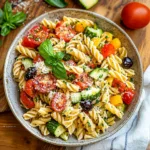
The Easiest Pasta Salad Recipe for a Light and Healthy Summer Side
- Prep Time: 15
- Cook Time: 10
- Total Time: 25
- Yield: 12 servings
- Category: Recipes
- Method: Tossing
- Cuisine: American
- Diet: Vegetarian
Description
A refreshing, customizable pasta salad with crisp veggies, zesty dressing, and tangy feta, ready in 30 minutes. Perfect for gatherings, picnics, or quick meals.
Ingredients
8 oz rotini pasta, uncooked
1 cup cherry tomatoes, halved
1 bell pepper, julienned
1 cup cucumber, diced
1 cup shredded carrots
1/2 cup crumbled feta cheese
1/4 cup olive oil
2 tablespoons red wine vinegar (or white vinegar for non-alcoholic)
1 teaspoon dried oregano
1 teaspoon dried basil
Salt to taste
Instructions
Bring a large pot of water to a boil. Add pasta, cook al dente, then drain and rinse under cold water until cool.
In a large bowl, combine cooled pasta, cherry tomatoes, bell pepper, cucumber, and carrots.
In a small bowl, whisk together olive oil, vinegar, oregano, basil, and salt.
Pour dressing over pasta mixture. Add feta cheese and toss gently.
Chill for 15–30 minutes before serving (optional for enhanced flavor).
Notes
Use any short pasta (e.g., penne or farfalle). Substitute feta with crumbled goat cheese or omit for vegan (add chickpeas for protein). For crunch, top with toasted pine nuts or sunflower seeds.
Check store-bought dressings for alcohol content if unsure.