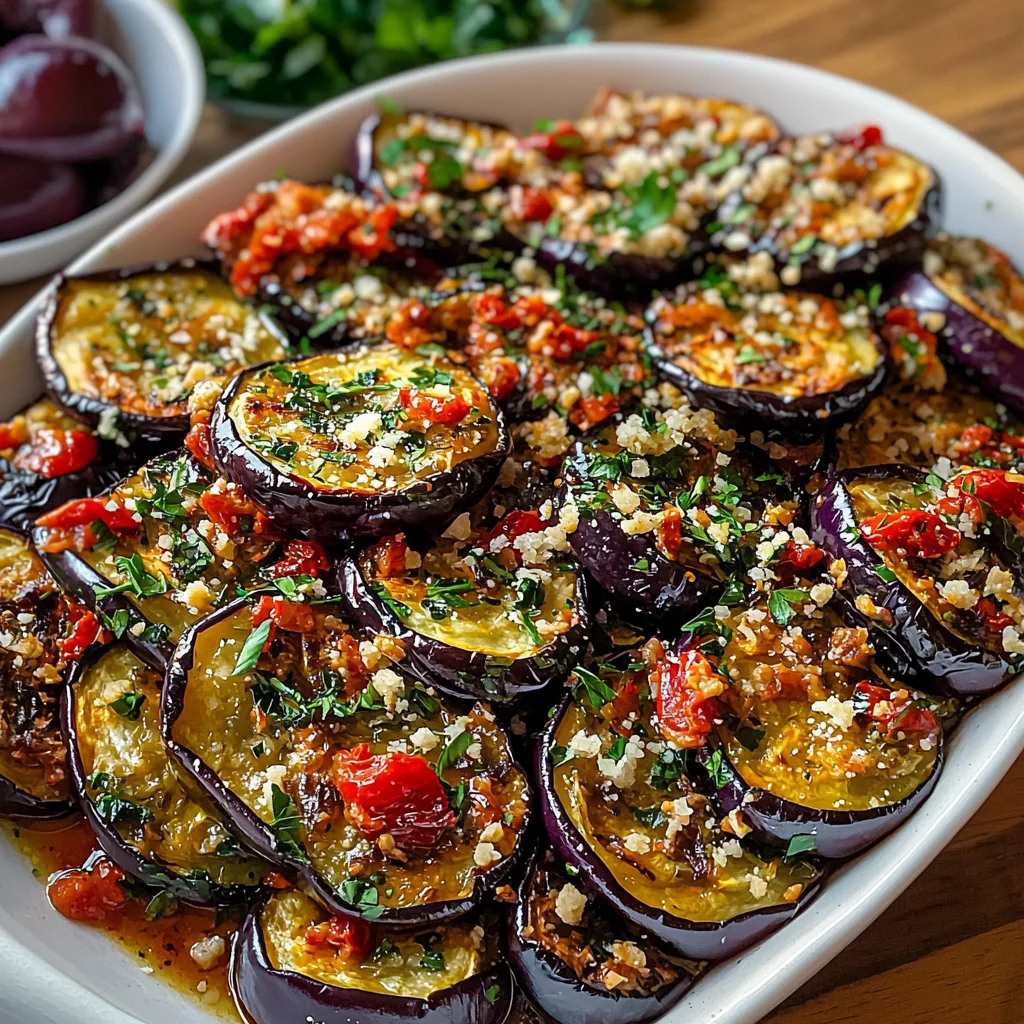
Mediterranean Roasted Eggplant is a simple and flavorful dish that highlights the rich taste of roasted eggplant with Mediterranean spices. This recipe brings a touch of sunshine to your table, reminiscent of slower meals shared with loved ones under a warm sky. It’s a wonderful way to enjoy the bounty of fresh produce, transforming humble eggplant into something truly special with just a handful of ingredients and simple roasting techniques. I often find myself reaching for this recipe when I want a dish that feels both grounding and bright, a perfect balance that speaks to the soul.
There’s a quiet magic that happens when eggplant meets heat, becoming wonderfully tender and subtly sweet. Infused with aromatic garlic, smoky paprika, and earthy oregano, this Mediterranean Roasted Eggplant isn’t just a side dish; it’s an experience. It’s the kind of food that nourishes not just the body but also the spirit, bringing a sense of calm and well-being to your kitchen. It’s a testament to how simple, wholesome ingredients can create profound flavors, echoing the natural goodness we seek in our everyday lives.
What is Mediterranean Roasted Eggplant?
Mediterranean Roasted Eggplant is a beautifully simple preparation where eggplant slices are tossed with olive oil, garlic, and classic Mediterranean herbs and spices, then roasted until tender and lightly caramelized. This method brings out the eggplant’s natural sweetness while creating a melt-in-your-mouth texture. It’s a dish deeply rooted in the vibrant culinary traditions of the Mediterranean basin, where fresh, seasonal vegetables are celebrated for their inherent flavors.
The key to its charm lies in its simplicity and the quality of its core ingredients. Olive oil, garlic, oregano, and a hint of smoked paprika create a savory base, allowing the eggplant to shine. Often finished with fresh parsley and a sprinkle of feta cheese, it offers a delightful contrast of textures and tastes. This dish embodies the healthy, plant-forward philosophy that characterizes Mediterranean cuisine, making it a perfect addition to any wholesome meal plan.
Reasons to Try Mediterranean Roasted Eggplant
This Mediterranean Roasted Eggplant recipe is a true gem for home cooks seeking delicious yet uncomplicated meals. It requires minimal prep time and effort, making it ideal for busy weeknights or when you simply want to prepare a nutritious side without fuss. The oven does most of the work, leaving you free to focus on other parts of your meal or simply enjoy a moment of quiet in your kitchen. It’s a recipe that celebrates ease without compromising on incredible taste.
Beyond its convenience, the versatility of this dish is undeniable. It pairs beautifully with grilled meats and fish, lentil stews, or as a standalone component of a vibrant salad or meze platter. For those mindful of their dietary choices, it’s naturally vegetarian and can easily be made vegan. It’s a wonderful way to introduce more vegetables into your diet, providing essential nutrients and fiber. Whether you’re a seasoned cook or just beginning your culinary journey, this recipe offers a rewarding path to delicious, wholesome eating.
Ingredients Needed to Make Mediterranean Roasted Eggplant
2 medium eggplants, sliced into 1-inch rounds
1/4 cup extra virgin olive oil
2 cloves garlic, minced
1 teaspoon smoked paprika
1 teaspoon dried oregano
Sea salt and freshly ground black pepper, to taste
1/2 cup cherry tomatoes, halved
1/4 cup fresh parsley, finely chopped
1/4 cup crumbled feta cheese (optional, for serving)
Instructions to Make Mediterranean Roasted Eggplant – Step by Step
Step 1: Begin by preheating your oven to 400°F (200°C). Preparing your baking sheet with parchment paper will make cleanup wonderfully simple, allowing for a more peaceful cooking experience.
Step 2: In a generous-sized bowl, whisk together the olive oil, minced garlic, smoked paprika, and dried oregano. Add a good pinch of sea salt and freshly ground black pepper to this fragrant mixture, creating the aromatic base for our eggplant.
Step 3: Now, introduce your eggplant slices to the bowl. Gently toss them, ensuring each piece is thoroughly coated in the seasoned olive oil. This step is key to infusing the eggplant with all those wonderful Mediterranean flavors before it hits the heat.
Step 4: Arrange the coated eggplant slices on the prepared baking sheet in a single, even layer. It’s important not to overcrowd the pan; this allows the eggplant to roast beautifully rather than steam, ensuring a lovely golden-brown exterior.
Step 5: Place the baking sheet into your preheated oven. Let the eggplant roast for about 25 to 30 minutes. About halfway through this time, gently flip each slice to ensure they cook evenly on both sides and develop a tender, golden finish.
Step 6: In the final 5 minutes of the roasting time, scatter the halved cherry tomatoes around the eggplant on the baking sheet. They will soften and burst slightly, adding a lovely burst of sweetness and juiciness to the dish.
Step 7: Once the eggplant is wonderfully tender and the tomatoes are slightly softened, carefully remove the baking sheet from the oven. Garnish generously with the freshly chopped parsley and a sprinkle of crumbled feta cheese, if you are using it. Serve this delightful creation warm, as part of a larger meal or on its own.
Chef’s Tips for a Perfect Result
- Choose the Right Eggplant: Look for eggplant that feels firm and heavy for its size, with smooth, glossy skin. Avoid any with large soft spots or blemishes.
- Don’t Skip the Salt (for some): While this recipe adds salt to the oil, some home cooks prefer to salt eggplant slices beforehand. If you do, let them drain for 30 minutes, rinse, and pat very dry to remove bitterness and excess moisture.
- Achieve Even Roasting: Ensure your eggplant slices are uniform in thickness, ideally around 1 inch. This promotes consistent cooking.
- Control Moisture: Patting the eggplant dry after coating helps achieve a better roasted texture. Overcrowding the pan can lead to mushy eggplant.
- Watch the Heat: Roasting at 400°F (200°C) is crucial for caramelization. If your eggplant starts to brown too quickly, you can reduce the heat slightly.
- Taste and Adjust: Always taste as you go. Adjust salt and pepper before serving to ensure the flavors are perfectly balanced to your liking.
Variations and Substitutions
- Vegan Option: Simply omit the feta cheese. The dish is still incredibly flavorful on its own, or you could add a drizzle of tahini sauce for a creamy, dairy-free finish.
- Gluten-Free Alternative: This recipe is naturally gluten-free, making it a safe and delicious choice for those with gluten sensitivities.
- Low-Carb Version: Eggplant is naturally low in carbohydrates, so this recipe fits well into a low-carb lifestyle. Ensure you’re not adding any sugary marinades.
- Spice Lover’s Swap: For a little extra warmth, add a pinch of red pepper flakes to the olive oil mixture. This adds a gentle heat without overpowering the other flavors.
- Herb Garden Delight: Feel free to experiment with other fresh herbs like dill or mint, chopped and sprinkled over the finished dish for a different aromatic profile.
- Budget-Friendly Boost: If feta cheese is out of budget, a sprinkle of toasted sesame seeds or chopped walnuts can add a lovely textural contrast.
How to Serve and Pair
Mediterranean Roasted Eggplant is incredibly versatile and makes a wonderful addition to any meal. Serve it warm as a vibrant side dish alongside grilled chicken or fish, lamb kofta, or falafel for a complete Mediterranean-inspired feast. It also shines as part of a larger meze platter, nestled amongst hummus, olives, and pita bread. For a lighter meal or a satisfying vegetarian main, it can be served over quinoa or a bed of mixed greens. Consider garnishing with a dollop of plain Greek yogurt or a lemon-tahini dressing for a touch of creaminess and tang. This dish is particularly perfect for casual family dinners, gatherings with friends, or when you want to bring a healthy, flavorful option to a potluck.
Storage and Reheating
Refrigerator
Leftover Mediterranean Roasted Eggplant will keep beautifully in your refrigerator for up to 3-4 days. Store it in an airtight container to maintain its freshness and prevent it from absorbing other smells. Ensure it has cooled completely before sealing the container.
Freezer
While freezing is possible, it can sometimes alter the texture of the eggplant, making it a bit softer upon thawing. If you choose to freeze, allow the dish to cool completely, then transfer it to a freezer-safe airtight container or heavy-duty freezer bag. It should remain good for up to 2-3 months. For best results, it’s often recommended to enjoy this dish fresh or refrigerated.
Room Temperature
Roasted eggplant dishes are best consumed immediately after cooking or stored appropriately in the refrigerator. It’s generally not recommended to leave cooked food at room temperature for extended periods, following safe food handling guidelines.
Reheating
To reheat Mediterranean Roasted Eggplant, the oven or a toaster oven is ideal for restoring its texture. Gently warm it on a baking sheet at around 300°F (150°C) for 5-10 minutes, or until heated through. If you prefer a quicker method, the microwave can be used, but be mindful that it might make the eggplant slightly softer. You can also reheat it gently in a skillet over medium-low heat, adding a tiny splash of olive oil if needed, which helps regain some crispness.
Nutritional Values
- Calories: approximately 180 per serving
- Protein: about 3g
- Carbohydrates: around 15g
- Fiber: about 6g
- Fat: roughly 14g (healthy fats from olive oil)
- Saturated Fat: 2g
- Unsaturated Fat: 10g
Approximate values.
Frequently Asked Questions (FAQ) — MANDATORY
Can I substitute the type of eggplant?
Yes, you can use smaller globe or Japanese eggplants, adjusting roasting time as needed. These varieties often have fewer seeds and a creamier texture.
How can I tell when Mediterranean Roasted Eggplant is done?
The eggplant is perfectly done when it is tender all the way through, easily pierced with a fork, and has developed a beautiful golden-brown, slightly caramelized appearance.
What if my eggplant is watery or mushy?
Watery or mushy eggplant often results from overcrowding the pan, not using high enough heat, or from the eggplant retaining too much moisture. Ensure slices are in a single layer and roast at 400°F (200°C).
Can I prepare this dish ahead of time?
Absolutely. You can roast the eggplant and tomatoes ahead of time and store them in the refrigerator. Reheat gently before serving and add fresh parsley and feta just before serving for the best flavor and texture.
What’s the best way to serve Mediterranean Roasted Eggplant?
Serve it warm as a side, as part of a meze platter, or layered into wraps and sandwiches. You can also toss it with pasta or grains for a more substantial meal.
CONCLUSION
Mediterranean Roasted Eggplant is more than just a simple side dish; it’s a nourishing embrace, bursting with warmth and wholesome goodness. This recipe invites you to slow down, connect with your food, and savor the natural flavors. The irresistible char and tender texture, kissed by Mediterranean spices, truly makes it an unforgettable part of any meal.
Print
Mediterranean Roasted Eggplant
- Prep Time: 15
- Cook Time: 25
- Total Time: 40
- Yield: 4 servings
- Category: Dinner
- Method: Roasting
- Cuisine: Mediterranean
- Diet: Vegetarian
Description
Tender roasted eggplant slices infused with garlic, smoked paprika, and oregano, finished with fresh parsley and crumbled feta. A vibrant, plant-forward side dish that highlights Mediterranean flavors.
Ingredients
1 large eggplant, sliced 1/4-inch thick
2 tablespoons extra virgin olive oil
3 garlic cloves, minced
1 teaspoon smoked paprika
1 teaspoon dried oregano
Salt and black pepper to taste
Fresh parsley, chopped
Fresh feta cheese, crumbled (optional)
Instructions
Preheat oven to 400°F (200°C)
Toss eggplant slices with olive oil, garlic, smoked paprika, oregano, salt, and pepper
Arrange on a baking sheet in a single layer
Roast for 20-25 minutes until tender and caramelized
Sprinkle with fresh parsley and feta just before serving
Notes
Omit feta for a vegan version
Add a squeeze of lemon juice for brightness
Store leftovers in an airtight container for 2-3 days