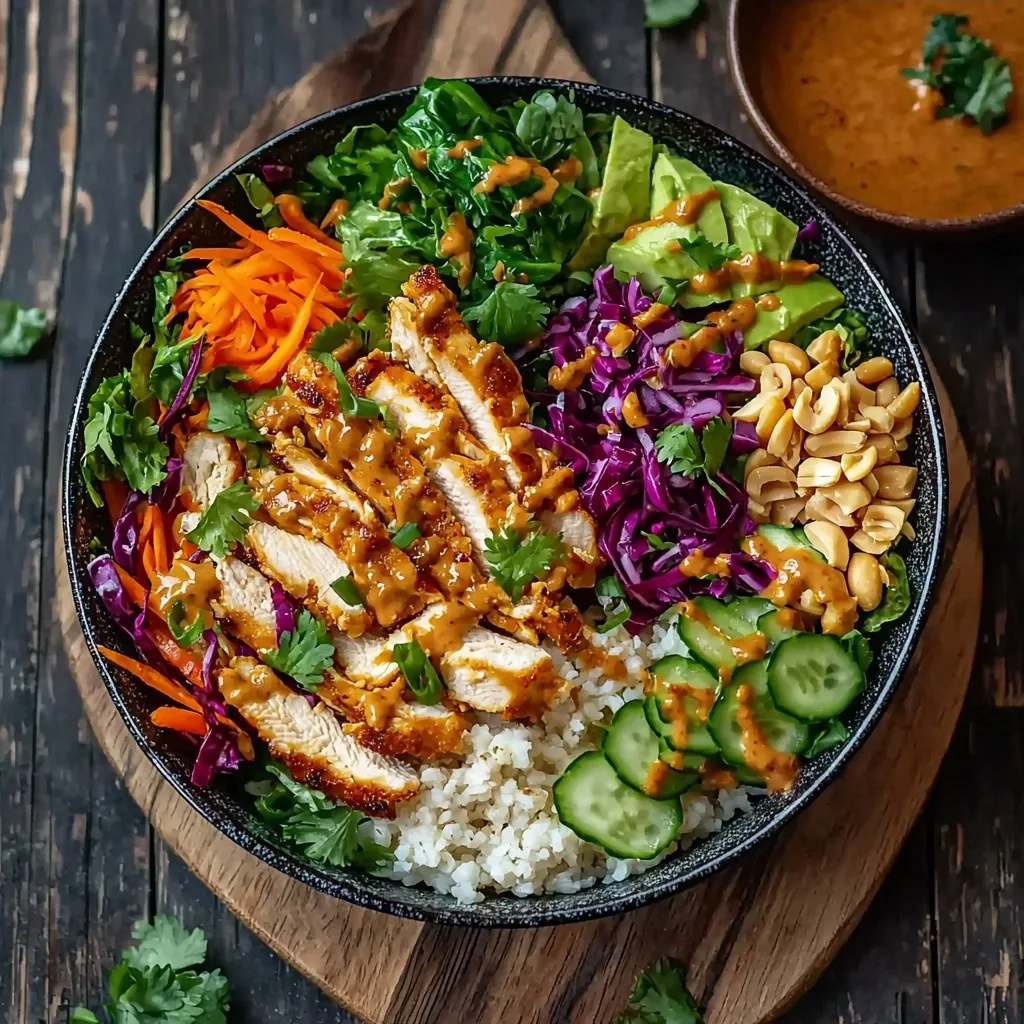
Thai Peanut Chicken Buddha Bowl: A Nourishing Weeknight Delight
There is something deeply satisfying about a meal that brings together vibrant colors, bold flavors, and nourishing ingredients all in one bowl. This Thai peanut chicken Buddha bowl is the perfect example of comfort meeting freshness. Every layer adds something special — tender chicken, crisp vegetables, fluffy rice, and a creamy peanut sauce that ties everything together beautifully. It’s a dish that feels both indulgent and wonderfully good for you, a true reflection of how delicious healthy eating can be.
As a busy mom who cherishes mindful moments of nourishment, I find these bowls to be a lifesaver on hectic weeknights. They are a wonderful way to pack in a variety of nutrients and flavors, turning simple ingredients into a culinary masterpiece that the whole family can enjoy. It’s a gentle reminder that taking care of ourselves and our loved ones starts with the food we share. This recipe, in particular, feels like a warm hug in a bowl, offering a delightful balance of textures and tastes that will leave you feeling truly satisfied and energized.
What is a Thai Peanut Chicken Buddha Bowl?
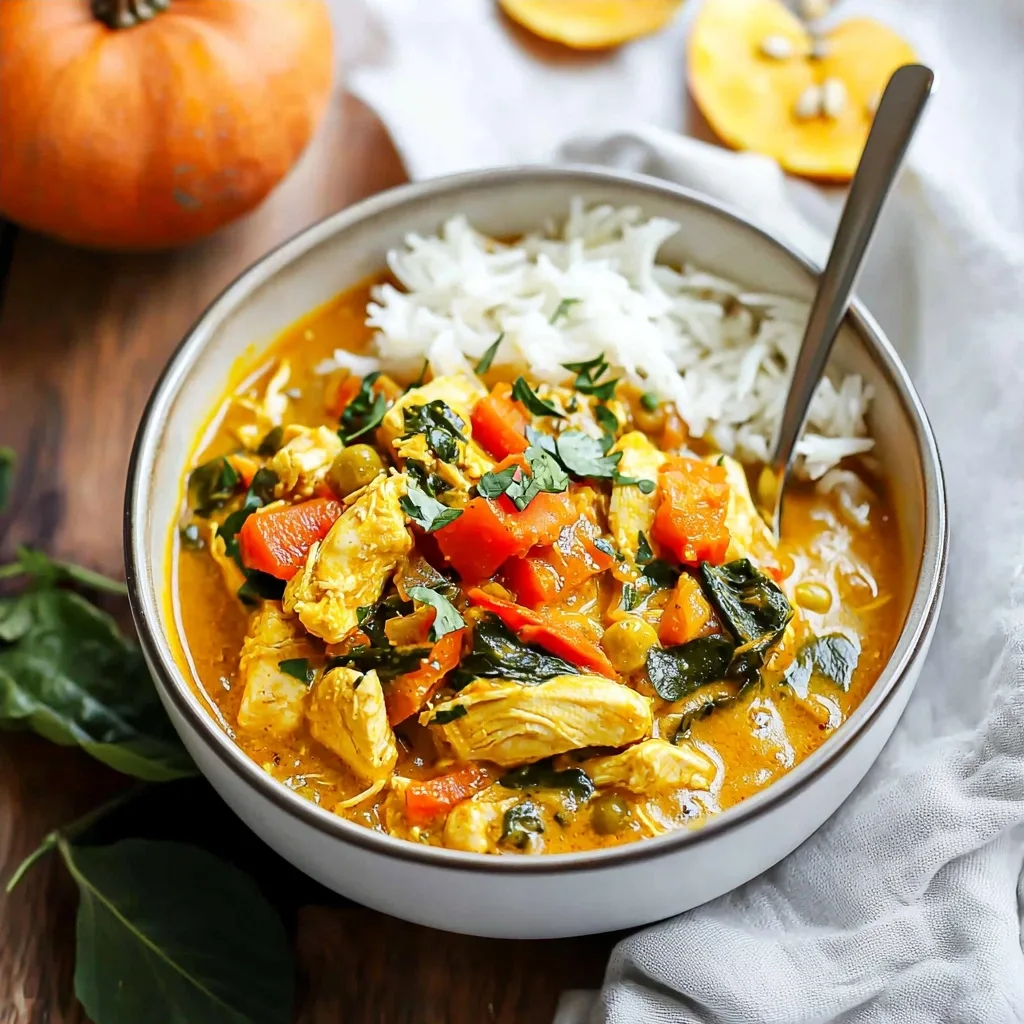
A Thai Peanut Chicken Buddha Bowl is a wholesome, customizable meal that combines the vibrant flavors of Thai cuisine with the satisfying structure of a Buddha bowl. At its heart, it features succulent pieces of chicken, typically marinated and cooked to perfection, nestled alongside a base of fluffy grains like jasmine or brown rice. The star of the show is often a rich, creamy peanut sauce infused with classic Thai ingredients such as soy sauce, lime, ginger, and garlic, which generously coats every element.
What sets this dish apart is its beautiful assembly: the chicken and rice are artfully arranged with an array of fresh, colorful vegetables. Think crisp shredded carrots, refreshing cucumber, vibrant purple cabbage, creamy avocado, and protein-rich edamame. This beautiful presentation not only makes the meal visually appealing but ensures a delightful mix of textures and flavors in every bite. It’s a complete meal designed to nourish your body and delight your senses, inspired by the spirit of global flavors.
Reasons to Try a Thai Peanut Chicken Buddha Bowl
This Thai Peanut Chicken Buddha Bowl is more than just a meal; it’s an experience of vibrant flavors and wholesome goodness that’s incredibly easy to bring to your table. The combination of tender chicken, fluffy rice, and a medley of crisp vegetables offers a delightful symphony of textures and tastes, all brought together by that irresistible, creamy peanut sauce. It’s the kind of dish that makes you feel good from the inside out, providing essential nutrients without ever sacrificing flavor. For anyone seeking a balanced, delicious, and satisfying meal, this bowl is a true winner.
It’s also a fantastic option for beginners in the kitchen, as the steps are straightforward and forgiving. Busy families will appreciate its quick preparation time, and individuals looking to incorporate more plant-based goodness can easily adapt it. The beauty of the Buddha bowl lies in its versatility; you can swap ingredients based on what you have on hand or your preferences, making it a sustainable and adaptable choice for any lifestyle. It’s a meal that celebrates freshness and simplicity, perfect for those quiet moments of self-care or shared family dinners.
Ingredients Needed to Make a Thai Peanut Chicken Buddha Bowl
For the Chicken:
- 1 pound boneless, skinless chicken breasts or thighs, sliced into bite-sized pieces
- 1 tablespoon olive oil or avocado oil
- 1 teaspoon garlic powder
- 1 teaspoon paprika
- 1/2 teaspoon salt
- 1/2 teaspoon black pepper
For the Creamy Peanut Sauce:
- 1/2 cup creamy natural peanut butter (unsweetened is best)
- 2 tablespoons low-sodium soy sauce or tamari (for gluten-free)
- 1 tablespoon honey or pure maple syrup (for vegan option)
- 1 tablespoon fresh lime juice (about 1/2 lime)
- 1 teaspoon toasted sesame oil
- 2 cloves garlic, minced
- 1 teaspoon freshly grated ginger
- 2–4 tablespoons warm water, to reach desired consistency
For the Bowls:
- 3 cups cooked jasmine rice or brown rice (warm)
- 1 cup shredded carrots
- 1 cucumber, thinly sliced or julienned
- 1 cup shredded purple cabbage
- 1 ripe avocado, sliced
- 1 cup shelled edamame (cooked and cooled)
- 2 tablespoons chopped fresh cilantro, for garnish
- Sesame seeds, for garnish
- Lime wedges, for serving
Instructions to Make a Thai Peanut Chicken Buddha Bowl – Step by Step
Step 1: Prepare the Chicken
Begin by preparing your chicken. In a medium bowl, toss the sliced chicken pieces with olive oil, garlic powder, paprika, salt, and black pepper until evenly coated. This simple seasoning adds a wonderful depth of flavor that complements the peanut sauce beautifully. Setting this aside allows the flavors to meld while you move on to the other components.
Step 2: Cook the Chicken
Heat a large skillet over medium-high heat. Once warm, add the seasoned chicken in a single layer, being careful not to overcrowd the pan, which could steam the chicken instead of searing it. Cook for about 6–8 minutes, stirring occasionally, until the chicken is golden brown on all sides and cooked through. The aroma that fills your kitchen at this stage is truly inviting, a promise of the delicious meal to come.
Step 3: Craft the Creamy Peanut Sauce
While the chicken cooks, you can prepare the luscious peanut sauce. In a medium bowl, combine the creamy peanut butter, soy sauce (or tamari), honey (or maple syrup), fresh lime juice, toasted sesame oil, minced garlic, and grated ginger. Whisk these ingredients together until they form a thick paste. This is where the magic happens, blending savory, sweet, tangy, and nutty notes into a harmonious concoction.
Step 4: Achieve Perfect Sauce Consistency
Gradually whisk in the warm water, one tablespoon at a time, into the peanut butter mixture. Continue stirring until the sauce is smooth, creamy, and reaches your desired pourable consistency. You might need a little more or less water depending on the thickness of your peanut butter. Taste and adjust seasonings if needed – perhaps a touch more lime juice for brightness or a hint more honey for sweetness. This sauce is the soul of the Buddha bowl, so it’s worth getting it just right.
Step 5: Prepare Your Bowl Components
If you haven’t already, cook your jasmine or brown rice according to package directions. While the rice is cooking or cooling, prepare your fresh vegetables: shred the carrots, thinly slice or julienne the cucumber, and shred the purple cabbage. Make sure your avocado is sliced just before assembling to prevent browning, and have your cooked edamame ready. Having all your ingredients prepped and ready makes the assembly process smooth and enjoyable, much like arranging a beautiful canvas.
Step 6: Assemble Your Beautiful Buddha Bowls
Now for the most enjoyable part – assembling the bowls! Divide the warm cooked rice evenly among four serving bowls. Artfully arrange the golden-brown chicken, shredded carrots, sliced cucumber, purple cabbage, creamy avocado slices, and edamame in distinct sections over the rice. This visual arrangement is part of the joy of a Buddha bowl, creating a feast for the eyes before you even take a bite. It’s a moment to appreciate the vibrant colors and fresh ingredients.
Step 7: Garnish and Serve
Generously drizzle the prepared creamy peanut sauce over all the ingredients in each bowl. Don’t be shy with the sauce; it’s what brings all the flavors together! Finish by garnishing with fresh chopped cilantro and a sprinkle of sesame seeds for added texture and visual appeal. Serve immediately with fresh lime wedges on the side for an extra zing. This final touch awakens all the flavors, making each spoonful a delightful burst of taste and harmony.
Chef’s Tips for a Perfect Result
- Use natural peanut butter: Opt for unsweetened, natural peanut butter in your sauce for the cleanest peanut flavor without added sugars or oils.
- Infuse the chicken: For deeper flavor, consider marinating the chicken in a bit of soy sauce, lime juice, and ginger for at least 30 minutes before cooking.
- Toast your sesame seeds: Lightly toasting sesame seeds before garnishing adds a wonderful nutty aroma and crunch.
- Balance the sauce: Always taste and adjust your peanut sauce before serving; slight adjustments to lime, sweetness, or salt can make a significant difference.
- Prep components ahead of time: Cook the rice and chop vegetables the day before to make assembly even quicker on busy nights.
- Don’t skip the lime: Fresh lime wedges served on the side are crucial for cutting through the richness and brightening all the flavors.
Variations and Substitutions
Protein Options:
- For a different protein: Substitute chicken with firm or extra-firm tofu, pan-fried until golden, or grilled shrimp. For a plant-based meal, chickpeas or black beans also work beautifully and add fiber. These changes offer varied textures and subtly alter the overall flavor profile.
Vegetarian/Vegan Adaptations:
- To make it vegan: Ensure you use pure maple syrup instead of honey in the peanut sauce. Tofu or tempeh are excellent protein substitutes, and black beans or lentils can also add satisfying plant-powered protein.
Gluten-Free Alternative:
- For gluten-free needs: Use tamari or coconut aminos instead of soy sauce in the peanut sauce. Most other ingredients are naturally gluten-free, making this a simple swap.
Spice Level Adjustment:
- For extra heat: Add a pinch of red pepper flakes to the peanut sauce while whisking, or drizzle with a bit of sriracha or your favorite chili garlic sauce just before serving.
Grain Swaps:
- Alternative bases: Instead of rice, try quinoa, cauliflower rice for a low-carb option, or even a bed of mixed greens for a lighter bowl. Each base offers a different nutritional profile and texture.
How to Serve and Pair
Serve your Thai Peanut Chicken Buddha Bowl immediately while the rice and chicken are warm, creating a comforting contrast with the fresh, cool vegetables. Arrange the components attractively in the bowl for a visually appealing meal that’s a delight to the senses. This dish is a complete meal on its own, but it pairs wonderfully with a crisp, refreshing beverage like iced green tea or a light sparkling water infused with cucumber and mint. For a bit more zest, a chilled coconut water can offer a tropical counterpoint to the savory peanut sauce. It’s perfect for a nourishing weeknight dinner, a satisfying lunch, or even a mindful meal prep option. Occasions range from casual family dinners to a healthy solo lunch that feels like a treat.
Storage and Reheating
Refrigerator Storage:
Leftover Thai Peanut Chicken Buddha Bowls can be stored in an airtight container in the refrigerator for up to 2–3 days. It’s best to store the peanut sauce separately if possible, or ensure it’s well-distributed to prevent the rice and vegetables from becoming soggy. Keeping components separate can help maintain texture, especially for the avocado and any crisp raw vegetables.
Freezer Storage:
While many components can be frozen, it’s generally not recommended to freeze the entire assembled bowl, as the fresh vegetables and avocado can become mushy upon thawing. If you need to freeze components, store cooked chicken and rice separately in freezer-safe containers for up to 2 months. The peanut sauce can also be frozen in an ice cube tray for easy portioning and then transferred to a freezer bag.
Room Temperature:
This dish is best enjoyed fresh and should not be left at room temperature for more than two hours to ensure food safety, especially with the chicken and avocado components.
Reheating:
To reheat, you can gently warm the chicken and rice in a skillet over medium-low heat with a splash of water or broth to prevent drying, or microwave them until heated through. For the best texture, it’s ideal to add fresh avocado and crisp vegetables just before serving after reheating the core components. If the peanut sauce has thickened too much, whisk in a little warm water to loosen it up before drizzling over the warmed ingredients.
Nutritional Values
- Calories: Approximately 540 per serving
- Protein: Approximately 30g per serving
- Carbohydrates: Approximately 45g per serving
- Fat: Approximately 25g per serving
- Fiber: Approximately 7g per serving
Approximate values.
Frequently Asked Questions (FAQ)
Can I substitute the chicken in this Thai peanut chicken buddha bowl?
Yes, absolutely! You can easily swap the chicken for pan-fried tofu, tempeh, shrimp, edamame, or even chickpeas for a delicious vegetarian or vegan Buddha bowl experience.
How do I know when the chicken is fully cooked?
The chicken is fully cooked when it is no longer pink in the center and its juices run clear. For sliced chicken breast, this usually takes about 6–8 minutes of cooking time.
My peanut sauce is too thick, what should I do?
If your peanut sauce is too thick, gradually whisk in more warm water, one tablespoon at a time, until it reaches a smooth, pourable consistency. This often happens if your peanut butter is very dense.
Can I prepare components of this buddha bowl ahead of time for meal prep?
Yes, you can definitely prepare components in advance. Cook the rice, chop the vegetables, and make the peanut sauce up to 2–3 days ahead and store them in airtight containers in the refrigerator.
What are the best ways to customize a Thai peanut chicken buddha bowl?
Customization is key! Feel free to add other vegetables like broccoli florets, bell peppers, or snap peas, or switch up the grain base with quinoa or cauliflower rice, and don’t hesitate to add a spicy kick with chili flakes.
CONCLUSION
This Thai Peanut Chicken Buddha Bowl is a testament to how wholesome ingredients can create deeply satisfying meals. It’s a perfect dish for anyone seeking vibrant flavors, balanced nutrition, and an easy weeknight dinner solution. The creamy, nutty peanut sauce is truly the signature element that makes this bowl
irresistible, tying together every fresh and savory component.
Thai Peanut Chicken Buddha Bowl
- Prep Time: 15
- Cook Time: 30
- Total Time: 45
- Yield: 4 servings
- Category: Dinner
- Method: Stir-Frying
- Cuisine: Thai
- Diet: Non-Vegetarian
Description
This Thai Peanut Chicken Buddha Bowl is a nourishing and vibrant meal that brings together tender chicken, fluffy rice, crisp vegetables, and a creamy peanut sauce for a delightful balance of flavors and textures. Ideal for weeknights, it’s a wholesome, flavorful dish that’s as satisfying as it is healthy.
Ingredients
1 lb boneless, skinless chicken breasts, cut into bite-sized pieces
1 tablespoon soy sauce (low sodium, if desired)
1 tablespoon rice vinegar
1 teaspoon grated ginger
1 teaspoon minced garlic
1 cup uncooked jasmine or brown rice
2 tablespoons unsalted creamy peanut butter
2 tablespoons soy sauce (low sodium recommended)
1 tablespoon rice vinegar
1 teaspoon sesame oil
1 teaspoon honey or maple syrup
1 lime, juiced
¼ teaspoon grated ginger
2 cups shredded carrots
1 cup shredded purple cabbage
½ cup cucumber, sliced or julienned
1 avocado, sliced
1 cup cooked edamame
Toasted sesame seeds and chopped cilantro or green onions for garnish
Water for cooking rice
Instructions
In a bowl, combine soy sauce, rice vinegar, ginger, and garlic. Add the chicken pieces and marinate for at least 15 minutes.
Preheat a large skillet or wok over medium-high heat. Add a drizzle of oil and cook the marinated chicken until browned and cooked through. Remove and set aside.
Cook the rice according to package instructions. Fluff with a fork and keep warm.
To make the peanut sauce, in a blender or small mixing bowl, combine peanut butter, soy sauce, rice vinegar, sesame oil, honey or maple syrup, lime juice, and ginger. Whisk or blend until smooth. Adjust consistency with a splash of water if needed.
To assemble the bowls, place a base of cooked rice in the center. Add the shredded carrots, cabbage, cucumber, avocado, and edamame around the rice or over it.
Spoon the peanut sauce over the vegetables and chicken. Top with cooked chicken pieces and garnish with sesame seeds, cilantro, or green onions.
Serve immediately.
Notes
For a vegan version, substitute chicken with tofu or tempeh and use maple syrup in the sauce.
Feel free to swap or add different vegetables such as bell peppers or snap peas.
The peanut sauce can be made ahead of time and refrigerated for up to 2 days.
For extra crunch, add chopped peanut brittle or toasted nuts on top.