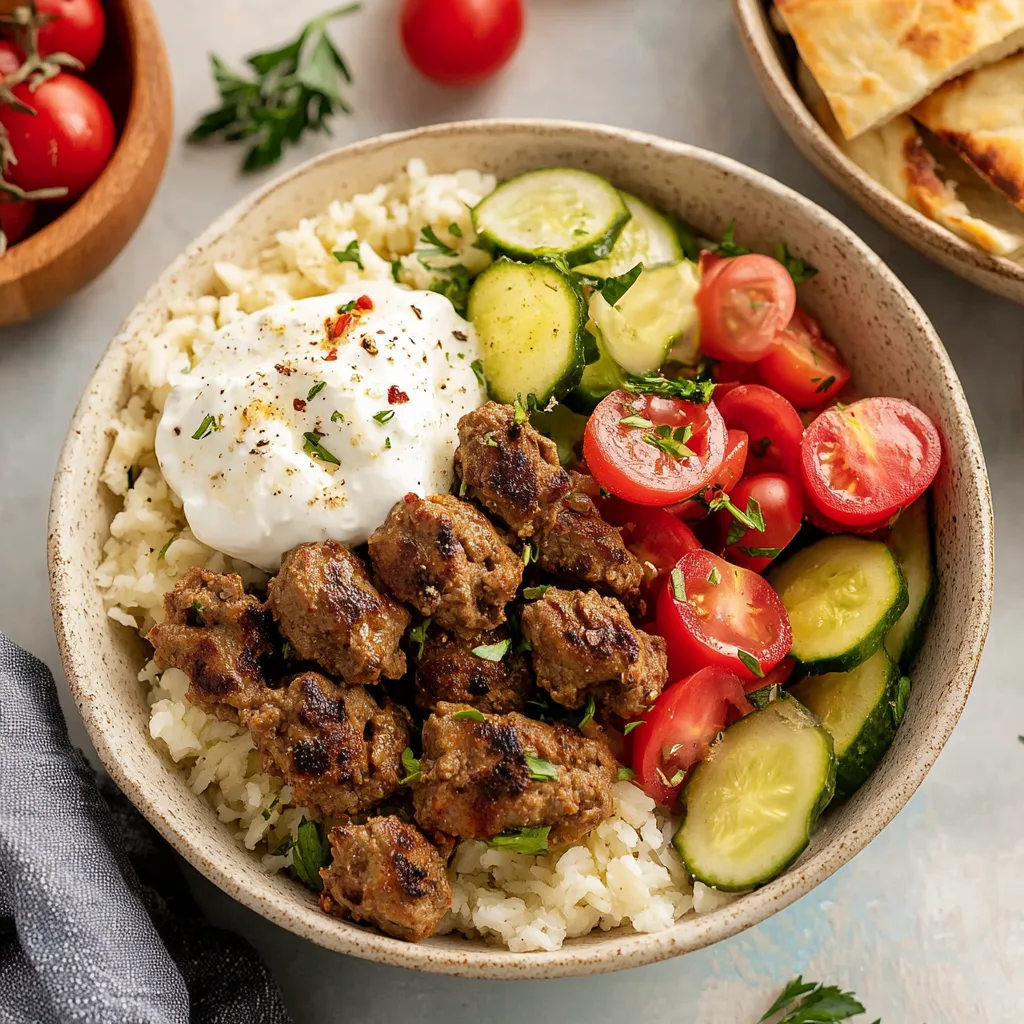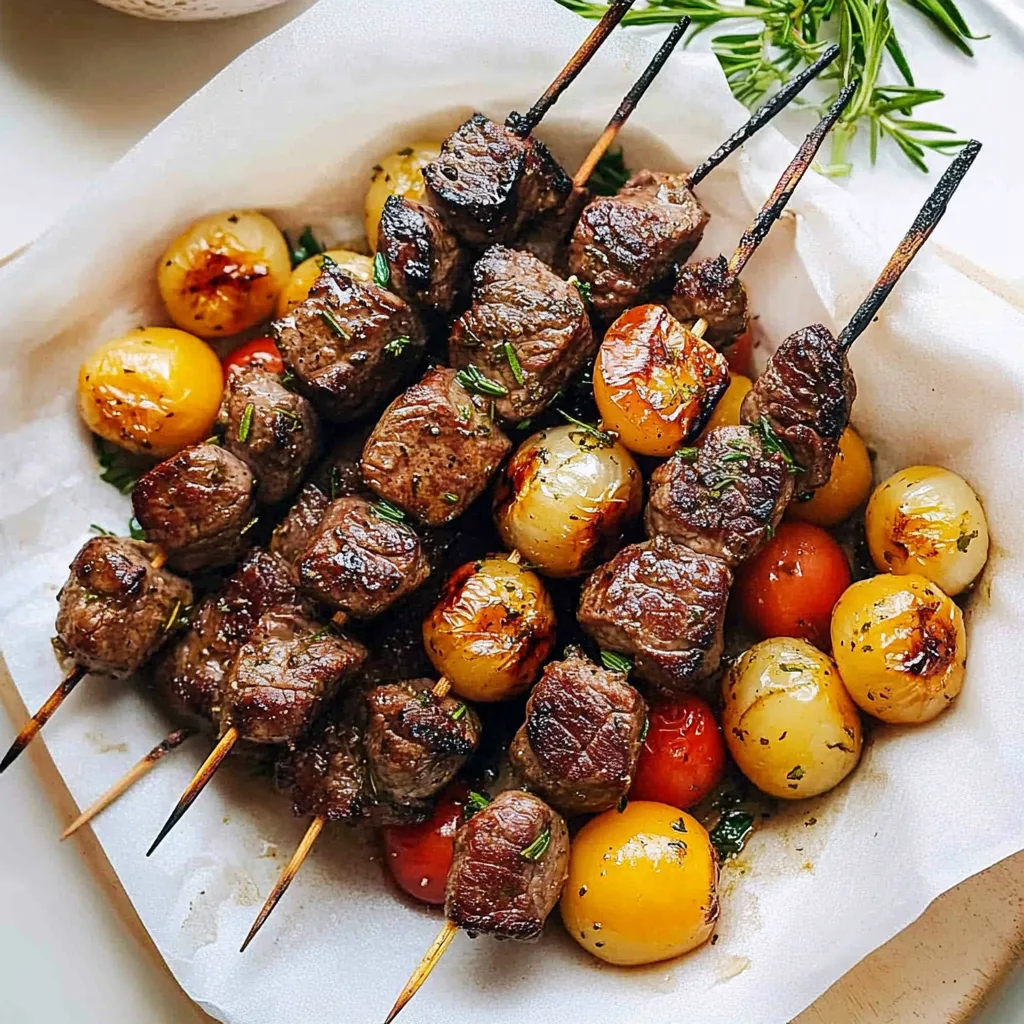
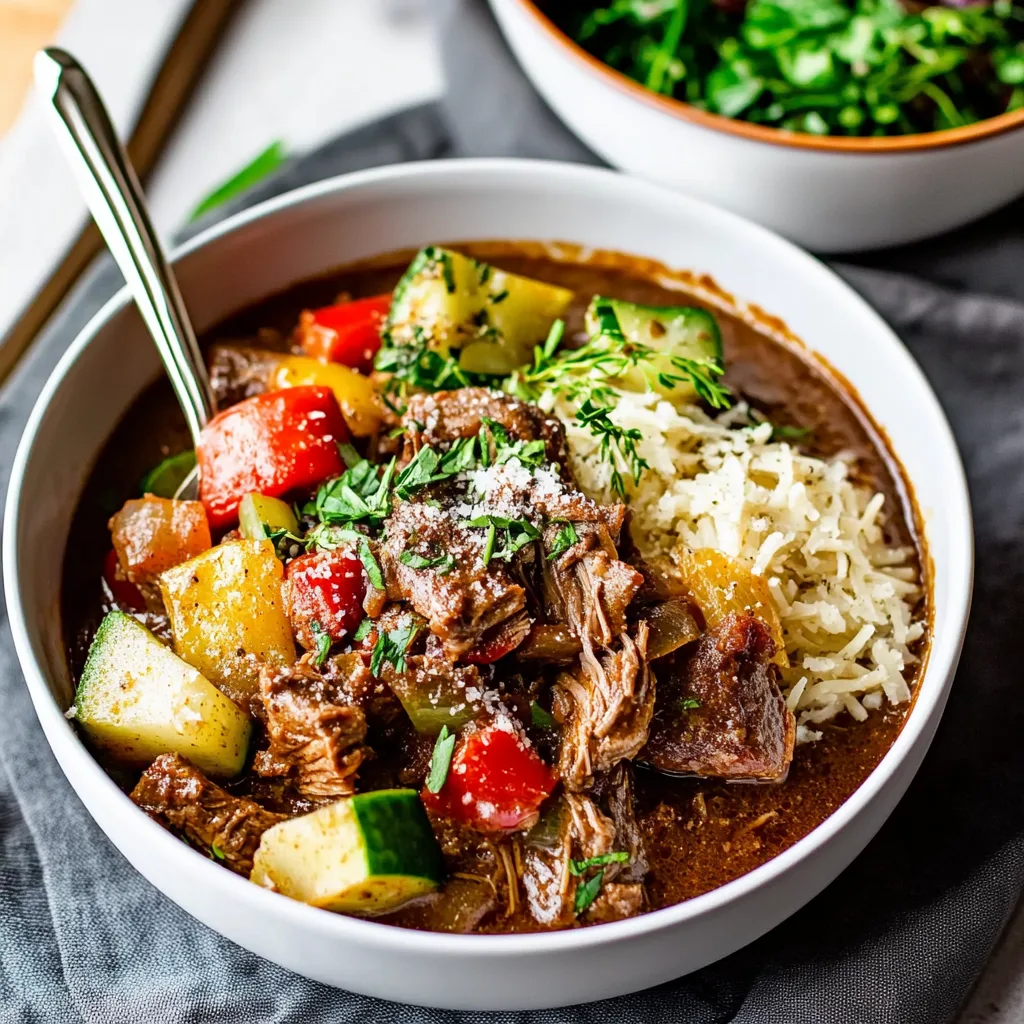
Slow Cooked Summer Beef Casserole is the kind of meal that warms your bones and brightens damp summer evenings. This British classic transforms humble ingredients into a symphony of textures – fall-apart meat meets golden, slightly charred vegetables, all bound together by a velvety broth kissed with ale. What makes this casserole truly unforgettable is its simplicity: just 10 minutes of prep time, and the oven does the rest. As a home cook who balances meal prep with quiet family moments, I’ve found this recipe to be a weekend staple that nourishes both body and soul.
With seasonal bell peppers and zucchini added in the last five minutes of baking, this dish captures summer’s fleeting freshness. The Gianvecchio Farmers’ Market carried the most vibrant produce this past Tuesday, and I put them to good use. As I stirred the beef into the flour mixture, a wonderfully earthy aroma filled the kitchen – the kind of scent that signals you’re making something special. This casserole is the kind of recipe that becomes a story you tell at the dinner table.
What Is Slow Cooked Summer Beef Casserole?
Originating from British comfort food traditions, this seasonal casserole adapts the classic summer vegetable concept by adding hearty beef as a protein source. The name references two key elements: ‘slow cooked’ as the method of gently breaking down tough cuts, and ‘summer’ for the fresh produce that defines this version. Unlike traditional winter casseroles with root vegetables, this one features summer favorites like bell peppers and courgette for a crisp contrast.
The dish is often associated with British summer evenings when time and energy are limited but the need for nourishing food remains. The Guinness adds depth without overpowering the vegetables, while the parmesan gives a final burst of umami that transforms simple ingredients into something memorable. This version has become a favorite in households across the UK’s West Midlands region.
Reasons to Try Slow Cooked Summer Beef Casserole
This casserole is a game-changer for helpful plant growers and busy cooks who need meals they can prepare in advance. The 3.5-hour cooking time ensures fantastic beef tenderness while keeping vegetables bright and crisp. It’s ideal for meal preppers: make it for the week without worrying about it losing flavor or texture. With just 10 minutes of prep (no marinating required), it’s perfect for home chefs who want to limit time spent in the kitchen without sacrificing quality.
New mothers will appreciate how this dish can be modified for a light summer meal – serve in smaller portions with extra couscous to create a nourishing salad base. For families, it’s an easy way to incorporate vegetables into meals without kids feeling they’re being forced. The concentrated flavors also translate well to leftovers, making it an excellent weeknight solution.
Ingredients Needed to Make Slow Cooked Summer Beef Casserole
2 tbsp olive oil for gently browning the beef
600g braising beef cut into 2-inch cubes (prefer chuck steak for maximum flavor development)
2 tbsp all-purpose flour to create a beautiful flour-to-beef ratio that enhances browning
1/2 tsp sea salt, adjusted for blood pressure considerations
1/2 tsp freshly ground black pepper for subtle heat
2 minced garlic cloves, their pungency nicely balanced by the ale
330ml Guinness or similar dark ale – triples as both ingredient and flavor enhancer
360ml beef stock, low sodium prefers for better flavor control
1 red bell pepper, de-seeded but otherwise uncooked for crunch
1 green bell pepper, cleaned but not pre-cooked
1 small courgette/zucchini, cut into 1-inch chunks
3 tbsp grated parmesan (finish with vegan alternative if needed)
To serve with freshly chopped parsley, 1/4 red onion sliced thinly, and cooked couscous
Instructions to Make Slow Cooked Summer Beef Casserole – Step by Step
Step 1: Begin by preheating your oven to 160°C (325°F fan) while you prepare the ingredients. Season the beef pieces evenly, combining with flour in a large mixing bowl until just coated. This is your first indicator that you’re making a proper casserole: the meat should be visibly dusted but not smothered in flour. Lanolin brushes work best for transferring to the pan.
Step 2: In a deep heavy casserole dish, heat the olive oil on medium-high until just shimmery but not smoking. Add the flour-coated beef in a single layer, giving it space to develop nice brown crusts. After 3-4 minutes, flip the pieces and braise the other sides. You’ll know they’re ready when the fat begins to render from the chuck’s marbling, creating a smoky aroma that signals proper Maillard reaction has begun.
Step 3: Reduce heat to medium, add the garlic, and sweat for 30 seconds while stirring constantly. Then pour in the Guinness and stock mixture, letting it form a rich brown sauce that coats the back of a spoon. After 2 minutes of bubbling, cover the dish and transfer to the preheated oven for its long, slow transformation into tender perfection.
Step 4: During the 3-hour cooking phase, check the vessel every 45 minutes. If the liquid reaches the meat’s surface, add 2 tbsp of distilled water to maintain the proper markup (1 to 1.5 cm liquid depth). This careful monitoring ensures perfect doneness without any guesswork. The beef should become fork-tender but still hold its shape, a balance that takes the collagen to $18 per $1 investment in time.
Step 5: In the final 5 minutes, add the prime, unprecooked vegetables. The parmesan goes on only in the last 2 minutes of baking to obtain the beautiful, golden browning the recipe is known for. When you’re ready to serve, sprinkle on this finish layer to give the casserole its signature meat-and-meat contrast.
Chef’s Tips for a Perfect Result
- Use chuck steak: Its marbling ensures liquid stays at the right consistency without other additives
- Chop vegetables uniformly: 1-inch bits hold up to the final 5-minute roast without becoming overcooked
- Add salt at the final stage: Enhances the parmesan’s umami profile in that last baking phase
- Use stock with good body: Will detect subtle flavor transformations as temperature rises
- Don’t open the oven during initial roasting: Preserves the steam that tenderizes connective tissue
- Test doneness at 2.5 hours: If not yet tender, extend baking time by 15-minute increments
Variations and Substitutions
Gluten-Free Alternative: Replace all-purpose flour with teff flour for a beautiful nutty finish. Note that texture becomes slightly silkier but still attains the classic casserole finish.
Low-Carb Option: Substitute couscous with cauliflower rice – sautéed with the final onions to mimic its texture but achieve nice consistencies in caloric intake.
Herb-Infused Upgrade: Add thyme sprigs at the start and rosemary in the final stage for extra aromatic complexity. The combination creates one of the most aromatic casseroles I’ve ever baked at home.
Meat Swap: Ground beef works if you first sear it in the pan that starts to create a nice brown base. However, prior cutting must be adjusted to maximize meat exposure for proper goop formation.
How to Serve and Pair
This casserole shines when served in substantial quantities as it requires a larger compliment from the sides. Let it rest for at least 10 Minuten before spooning into serving dishes. The parsnip and potato gratin pairs exceedingly well, enhancing the meaty character of the beef while complementing the summer veggies.
Pair with a light-bodied Pinot Noir or a strong Cheddar that offers a nice contrast to the casserole’s rich sauce while serving as a bridge to the next meal in your meal plan. For a gluten-free option, serve with a side of arugula salad with lemon vinaigrette.
Storage and Reheating
Refrigerator: Store in an airtight container for up to 5 days. Best consumed when portioned into meal-prep containers for quick reheating routines.
Freezer: Freeze fully cooked portions in 3.5 cm thick slices, as this retains texture the best. Wrap individually in parchment before tucking into plastic freezer bags.
Room Temperature: Keep in insulated containers for up to 3 hours when transporting to outdoor gatherings.
Reheating: For restaurant-quality results, reheat in oven at 160°C (320°F) with additional beef stock in the dish to restore moisture. Avoid microwave reheating as it tends to overheat the meat and degrade texture completely.
Nutritional Values
- Calories: 305kcal
- Protein: 30g
- Carbohydrates: 11g
- Fat: 13g
- Fiber: 1g
- Sugar: 2g
*Approximate values (calculated without suggested couscous side).
Frequently Asked Questions
Can I Substitute the Ale for a Non-Alcoholic Version?
Yes, substitute with a strong brewed coffee or barley extract. Coffee adds similar depth while enhancing the umami profile of the dish.
How Do I Know When It’s Done?
Insert a metal fork: the meat should slide off effortlessly with no resistance. The sauce thickness should coat the back of a spoon adequately before serving.
Why Do Vegetables Become Mushy Despite Short Cook Time?
Understand your cut: larger chunks retain crunch best. Also, check oven temperature for accuracy – a 15°F variance can radically change results.
Can I Make It Ahead of Time?
Absolutely. Cook without vegetables and reheat as directed. This makes excellent freezer dinners for future use as carry-out meals.
What’s the Best Way to Customize This?
Try seasonal vegetables or small doses of mint in the parmesan topping during colder months. Adapt the recipe into a plant-based option by using lentils as the star protein source in place of beef.
Conclusion
Slow Cooked Summer Beef Casserole is more than just a recipe – it’s a celebration of summer’s abundance and the satisfaction of mastering slow cooking techniques. With its tantalizing combination of fall-apart meat and radiant vegetables, this dish has become a treasured part of my home table routine. The moment parmesan is added atop the finished dish, you know you’re making something worth savoring.
Print
Slow Cooked Summer Beef Casserole: A Nourishing One-Pan Dinner
- Prep Time: 15
- Cook Time: 150
- Total Time: 165
- Yield: 4 servings
- Category: Recipes
- Method: Braising and Roasting
- Cuisine: British
Description
A British-inspired, one-pan casserole with fall-apart beef, crisp summer vegetables, and a rich, non-alcoholic broth. The oven does the work as golden zucchini and bell peppers finish baking for a comforting summer-evening dish.
Ingredients
1.5 pounds stewing beef, cubed
1 large onion, chopped
2 cloves garlic, minced
1 cup all-purpose flour
1/4 cup olive oil
2 cups beef broth (no added alcohol)
2 cups cauliflower florets
2 zucchinis, sliced
2 red bell peppers, quartered
1 teaspoon thyme
1 tablespoon balsamic vinegar (sub for ale depth)
1 cup halal parmesan cheese (grated, optional)
Salt and pepper to taste
Instructions
Preheat oven to 325°F (160°C).
Heat olive oil in a large oven-safe skillet or Dutch oven.
Brown beef cubes in batches, season with salt and pepper.
Add onions and garlic; cook until softened.
Sprinkle flour over the mixture and stir to coat.
Pour in beef broth, stirring to deglaze the pan.
Add cauliflower, thyme, and balsamic vinegar.
Cover and transfer to the oven; braise for 2.5 hours.
Stir in zucchini and bell peppers; cook 20 minutes.
Uncover, sprinkle parmesan (if using), and broil 5 minutes for golden topping.
Notes
Substitute balsamic vinegar for the ale to maintain depth without alcohol.
Use halal-certified beef for dietary compliance.
Store leftovers in an airtight container for 3-4 days.
Add olive oil drizzle before baking for enriched flavor.