Authentic Italian Pasta e Fagioli is more than just a soup; it's a warm hug from your Nonna, a bowl filled with generations of culinary love and simple, honest ingredients. This classic Italian comfort food, translating to pasta and beans, is a staple in every Italian household for good reason. It’s a dish that speaks of earthiness, heartiness, and the beautiful simplicity that Italian cooking so masterfully embodies. Preparing this dish always brings a sense of calm to my kitchen, a reminder of how profound nourishment can be found in the most humble ingredients.
This recipe honors the tradition of Pasta e Fagioli, bringing its rustic charm and soul-warming flavors right to your table. We'll guide you through creating a dish that is both incredibly satisfying and a testament to the power of simple, wholesome ingredients coming together in perfect harmony. It’s the kind of meal that nourishes not just the body, but the spirit too, leaving you feeling grounded and content. It’s a gentle reminder to slow down and savor the moments, much like a quiet morning yoga session or watching the sunrise.
What is Authentic Italian Pasta e Fagioli?
Authentic Italian Pasta e Fagioli is a beloved, rustic soup originating from the heart of Italy, often considered a working-class dish due to its use of economical yet deeply satisfying ingredients like beans and pasta. Its beauty lies in its simplicity and the incredible depth of flavor achieved through humble components. It’s a versatile dish, enjoyed in various regions across Italy, each with its own subtle variations, but always retaining its core identity as a hearty, warming bowl of sustenance.
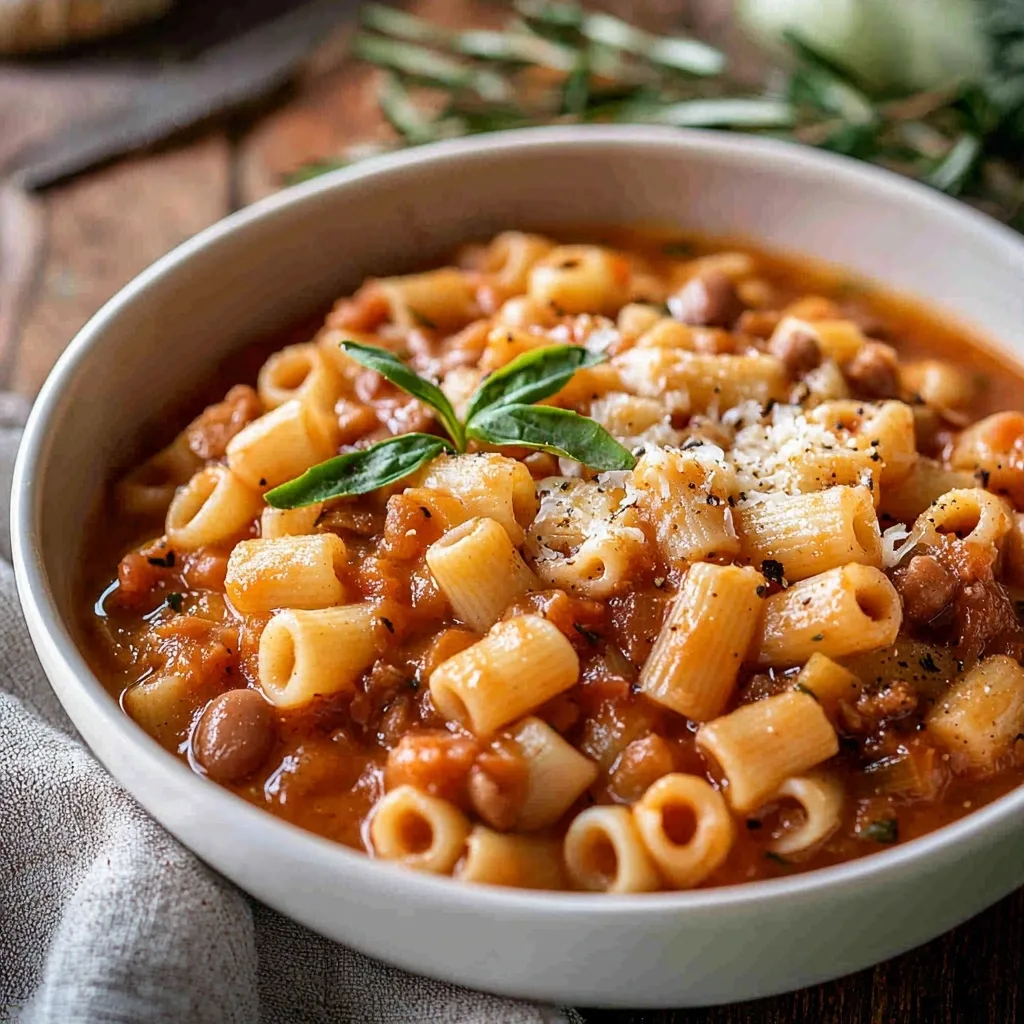
The soul of Pasta e Fagioli rests on a foundation of tender beans – typically borlotti or cannellini – slow-simmered with aromatic vegetables like onion, carrot, and celery, often enriched with soffritto. A touch of tomato adds a gentle sweetness and vibrant hue, while the pasta, usually a small shape like ditalini, cooks directly in the soup, thickening it and becoming one with the broth. A sprig of rosemary imparts a fragrant, woodsy note, making this dish a true symphony of simple, yet profound, Italian flavors.
Reasons to Try Authentic Italian Pasta e Fagioli
This Authentic Italian Pasta e Fagioli recipe is an absolute must-try for anyone seeking a truly comforting and wholesome meal. It’s incredibly forgiving, making it perfect for home cooks of all levels, even those just beginning their culinary journey. The process of simmering the beans and vegetables creates a depth of flavor that feels incredibly luxurious, yet the ingredient list remains remarkably accessible and budget-friendly. It’s a dish that offers a profound sense of satisfaction without demanding hours of complicated technique.
Imagine a cool evening, a quiet moment to yourself, and a steaming bowl of this pasta e fagioli waiting for you. It’s the ultimate feel-good food, designed to replenish and revitalize. It’s also wonderfully versatile, perfect for busy weeknights when you need something quick yet nourishing, or for family gatherings where everyone can gather around a pot of deliciousness. It’s a dish that truly embodies the Italian philosophy of cooking with love and sharing meals that bring people together.
Ingredients Needed to Make Authentic Italian Pasta e Fagioli
For the Beans:
- 1 ¼ cups (200 grams) dried borlotti beans (soaked overnight)
- 1 teaspoon salt (for cooking the beans)
For the Pasta e Fagioli Soup:
- 2 tablespoons extra virgin olive oil
- ⅓ cup (30 grams) finely chopped yellow onion
- ⅓ cup peeled and finely chopped carrot
- ⅓ cup chopped celery
- 2 ounces (60 grams) finely chopped pancetta (see variations for alternatives)
- 1 cup tomato purée or passata
- 1 teaspoon salt (adjust to taste)
- ½ teaspoon fresh ground black pepper
- 1 ⅔ cup (200 grams) ditalini pasta (or other small pasta shapes like tubetti or elbow macaroni)
- A sprig of fresh rosemary leaves (finely chopped)
To Serve:
- Freshly ground black pepper
- Extra virgin olive oil (garlic-infused is lovely)
- Finely grated Parmigiano Reggiano cheese
Instructions to Make Authentic Italian Pasta e Fagioli – Step by Step
Step 1: Prepare the Borlotti Beans
Begin by placing the dried borlotti beans in a fine-mesh sieve. Carefully inspect them, removing any small stones or debris, and rinse them thoroughly under cool running water. Transfer the cleaned beans into a medium-sized bowl, ensuring there’s plenty of room for them to expand. Cover the beans with fresh water, making sure the water level is at least 3 inches above the beans. Cover the bowl and let them soak for a good 8 to 12 hours, or even overnight. This soaking process is crucial for softening the beans and making them easier to digest and cook.
Step 2: Cook the Beans Until Tender
Once the beans have completed their soak, drain them well and give them another quick rinse. Transfer the soaked beans into a large saucepan. Cover them generously with fresh water, again ensuring there are at least a couple of inches of water above the beans. Place the saucepan over medium heat and bring the water to a gentle boil. Once boiling, reduce the heat to low, cover the pot, and let the beans simmer gently. After about 30 minutes of simmering, add 1 teaspoon of salt to the cooking water. Continue to cook the beans until they are just tender to the bite. This can take anywhere from an additional 5 to 30 minutes, depending on the freshness of your beans.
Step 3: Build the Flavor Base (Soffritto)
When your beans are approaching tenderness, it’s time to build the flavorful base for our Pasta e Fagioli. Heat the extra virgin olive oil in a spacious, deep saucepan or Dutch oven over medium heat. Add the finely chopped onion, carrot, and celery. Sauté these aromatics gently, stirring occasionally, until they have softened beautifully and become translucent, usually about 5-7 minutes. This gentle cooking process allows their natural sweetness to emerge, forming the essential flavour foundation.
Step 4: Add the Pancetta and Tomato
Next, stir in the finely chopped pancetta. Cook it with the softened vegetables for about 2 minutes, just until it begins to release its savory essence and renders a little fat. This step adds a wonderful depth of flavor. Following that, pour in the tomato purée or passata. Stir everything together to combine the flavors.
Step 5: Combine Beans and Simmer
Now, drain the cooked borlotti beans (reserviing their cooking liquid; this liquid gold is essential) and add them directly into the saucepan with the vegetable and pancetta mixture. Stir everything gently to incorporate. Add about ½ cup (or one generous ladleful) of the reserved bean cooking water to the pot. Stir in 1 teaspoon of salt and the freshly ground black pepper. Add more of the reserved bean cooking water, a little at a time, only if needed to create a soup-like consistency. Let this mixture simmer gently for about 10 minutes, allowing all the flavors to meld beautifully. Taste and adjust the salt and pepper at this stage, ensuring it’s perfect for your palate.
Step 6: Creamy Texture and Pasta Addition
To achieve that classic creamy texture that makes Pasta e Fagioli so special, carefully ladle out about 1 cup (or two ladlefuls) of the soup, making sure to include both beans and liquid. Transfer this portion to a blender or use an immersion blender, and purée it until it becomes a smooth, velvety mixture. Set this creamy purée aside for a moment.
Step 7: Cook the Pasta and Finish the Soup
Bring the main soup pot back to a gentle simmer. Add the ditalini pasta directly into the soup. Pour in about 2 cups of the reserved bean cooking water. Stir the pasta into the soup, and cook according to the pasta package directions until it is perfectly al dente – tender but still with a slight bite. Stir frequently throughout this process to ensure the pasta doesn’t stick to the bottom of the pot. Add more of the reserved bean cooking liquid if the soup becomes too thick for your liking; you’re aiming for a comforting, slightly soupy consistency.
Step 8: Reincorporate Creaminess and Rest
Once the pasta is cooked to al dente perfection, gently stir the reserved creamy purée back into the main pot of soup. This step will transform the soup, giving it a wonderfully rich and creamy texture without needing any dairy. Stir well to distribute the creaminess evenly. Taste the soup once more and adjust any seasonings if necessary, adding more salt or pepper to achieve your desired flavor profile. Finally, stir in the finely chopped fresh rosemary, cover the pot, and let the soup rest off the heat for about 3 minutes. This resting period allows the flavors to deepen and the rosemary to infuse its lovely aroma.
Step 9: Serve and Garnish
Ladle the piping hot Pasta e Fagioli into warm bowls. This is where you can truly make it shine! Finish each serving with a generous grind of fresh black pepper, a loving drizzle of good quality extra virgin olive oil (the garlic-infused kind adds a delightful warmth), and a good sprinkle of finely grated Parmigiano Reggiano cheese. Serve immediately and enjoy this comforting taste of Italy.
Chef’s Tips for a Perfect Result
- Soak Your Beans Properly: Overnight soaking is key for tender beans. If you forget, a quick soak method (boiling for 2 minutes, then letting sit covered for 1 hour) can work, but overnight is best for texture and digestibility.
- Reserve Bean Cooking Water: This starchy, flavorful water is liquid gold. It’s essential for creating a creamy broth and perfectly seasoning your soup. Always reserve more than you think you’ll need.
- Don’t Overcook the Pasta: Add the pasta directly to the soup and cook until al dente. It will continue to soften slightly as it rests, so aim for a tender bite.
- Taste and Adjust Seasoning: Beans and pasta are quite bland on their own. Taste frequently throughout the cooking process and adjust salt and pepper until the flavors sing.
- The Creamy Purée Secret: Blending a portion of the soup is crucial for that signature creamy texture. Don’t skip this step; it’s what elevates the dish beyond a simple bean soup.
- Use Fresh Rosemary: While dried rosemary can be used sparingly, fresh rosemary offers a bright, fragrant essence that truly elevates the dish. Be sure to chop it finely.
Variations and Substitutions
Vegetarian or Vegan Option:
- Omit the pancetta. Sauté the vegetables in a little extra olive oil. For added depth, consider adding a pinch of smoked paprika or a dash of soy sauce (if vegetarian) or nutritional yeast (if vegan) to mimic the savory notes. Ensure your pasta is egg-free for a fully vegan dish.
Gluten-Free Alternative:
- Substitute the ditalini pasta with your favorite gluten-free small pasta shapes. Alternatively, you can omit the pasta entirely and focus on a heartier bean soup, perhaps adding more vegetables like zucchini or potato.
Different Beans:
- While borlotti beans are traditional and offer a beautiful creamy texture and speckled appearance, you can easily substitute them with cannellini beans or even great northern beans. They offer a similar creamy quality and blend well into the soup.
Herb Variations:
- While rosemary is classic, a sprig of fresh thyme can be added along with the rosemary for a slightly different aromatic profile. A pinch of sage can also offer a wonderfully earthy note.
Heartier Soup:
- For an even heartier dish, add some small diced vegetables like zucchini, bell peppers, or even a potato along with the other aromatics in Step 3. This increases the bulk and nutritional value.
How to Serve and Pair
Serve your Authentic Italian Pasta e Fagioli piping hot in rustic ceramic bowls. A generous swirl of extra virgin olive oil on top adds richness and a visual appeal. Freshly grated Parmigiano Reggiano cheese is almost non-negotiable, adding a salty, umami kick. A sprinkle of black pepper provides a gentle warmth.
This hearty soup is a complete meal in itself, perfect as a satisfying lunch or a comforting dinner. It pairs wonderfully with a simple green salad tossed with a light vinaigrette to provide a fresh contrast. Crusty Italian bread is also ideal for soaking up every last drop of the delicious broth. For a more substantial meal, serve it as a first course before a light main dish like grilled fish or roasted chicken.
Storage and Reheating
Refrigerator:
- Store completely cooled Pasta e Fagioli in an airtight container in the refrigerator for up to 3-4 days. The flavors often meld and deepen beautifully overnight.
Freezer:
- This soup freezes exceptionally well. Allow it to cool completely, then transfer it to freezer-safe containers or heavy-duty freezer bags. It can be stored in the freezer for up to 2-3 months. It’s best to freeze it without the pasta added, as pasta can become mushy upon reheating after freezing; cook fresh pasta when reheating.
Reheating:
- Stovetop: The best method is gentle reheating on the stovetop. Place the soup in a saucepan over medium-low heat. Add a splash of water, broth, or bean cooking liquid if the soup appears too thick. Stir gently and heat through until it reaches your desired temperature. This method helps preserve the texture beautifully.
- Microwave: For a quicker option, reheat in the microwave in a microwave-safe bowl. Stir every minute or two to ensure even heating and to prevent hot spots. Add a bit of liquid if needed to achieve a good consistency.
- If Reheating Frozen Soup: Thaw overnight in the refrigerator. If you froze without pasta, cook fresh pasta separately and add it to the reheated soup before serving.
Nutritional Values
- Calories: Approximately 450-500 kcal per serving
- Protein: About 20-25g
- Carbohydrates: Around 60-70g
- Fat: Approximately 15-20g
- Fiber: About 10-15g
Approximate values.
Frequently Asked Questions (FAQ)
Can I substitute canned beans for dried borlotti beans?
Yes, you can substitute canned beans, but the texture will be different. Use about 3 cans (15-ounce each) of drained and rinsed cannellini or borlotti beans, adding them during the last 15 minutes of simmering instead of cooking dried beans from scratch.
How do I know when the borlotti beans are perfectly cooked?
Perfectly cooked borlotti beans should be tender and creamy when you bite into them, easily mashable with a fork but not mushy or falling apart. They should retain their shape somewhat but yield easily when pressed.
My Pasta e Fagioli soup is too thick, what can I do?
If your soup is too thick, it’s usually because the pasta has absorbed too much liquid or the blended portion made it very dense. Simply stir in more reserved bean cooking liquid, water, or low-sodium vegetable broth a little at a time until you reach your desired consistency.
Can I prepare Pasta e Fagioli ahead of time?
Absolutely. Pasta e Fagioli is an excellent make-ahead dish. Prepare the soup base and beans completely, let it cool, and store it in the refrigerator. Cook the pasta fresh just before serving to prevent it from becoming too soft, then add it to the reheated soup base.
What are the best additions or garnishes for this soup?
Beyond the classic garnishes of extra virgin olive oil, pepper, and Parmigiano Reggiano, consider adding a pinch of red pepper flakes for a little heat, a spoonful of pesto, or a scattering of fresh parsley for an extra burst of freshness. You can also serve it with a dollop of ricotta or a drizzle of balsamic glaze.
CONCLUSION
Authentic Italian Pasta e Fagioli is a deeply satisfying, nutrient-rich soup that embodies the heart of simple, wholesome Italian cooking. It’s a comforting embrace in a bowl, perfect for nourishing yourself and your loved ones with earthy flavors and hearty sustenance. The magical combination of tender beans, tender pasta, and aromatic vegetables creates an irresistible, soulful dish that truly warms from the inside out.
Print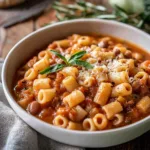
Authentic Italian Pasta e Fagioli
- Prep Time: 15
- Cook Time: 40
- Total Time: 55
- Yield: 6 servings
- Category: Dinner
- Method: Simmering
- Cuisine: Italian
- Diet: Vegetarian
Description
A hearty and rustic Italian soup with tender beans, pasta, and aromatic vegetables in a flavorful broth. A comforting, soul-warming dish perfect for cozy meals and gatherings.
Ingredients
1 tablespoon olive oil
1 onion, finely chopped
2 celery stalks, finely chopped
1 carrot, finely chopped
3 garlic cloves, minced
1 teaspoon dried oregano
1 teaspoon dried basil
1/2 teaspoon red pepper flakes (optional)
1 (28-ounce) can crushed tomatoes
1 cup green lentils, rinsed
1 cup kidney beans, canned and drained (or 1/2 cup dried, soaked overnight)
6 cups low-sodium vegetable broth
1/2 cup small pasta (ditalini or similar)
1 rosemary sprig
Salt and black pepper, to taste
Grated Parmesan cheese (optional, for serving)
Fresh parsley, chopped (for garnish)
Instructions
Heat the olive oil in a large pot over medium heat. Add the onion, celery, and carrot, and sauté for 5 minutes until softened.
Add garlic, oregano, basil, and red pepper flakes (if using). Cook for another minute.
Pour in the crushed tomatoes and stir well. Add the lentils and beans, then pour in the vegetable broth.
Bring the mixture to a gentle boil. Reduce heat, season with salt and pepper, add the rosemary sprig, and let simmer for 20 minutes.
Add the pasta and cook for another 10-15 minutes, until the pasta is tender and the soup is thickened. Avoid overcooking the pasta.
Remove the rosemary sprig. Taste and adjust seasoning if needed.
Serve hot, garnished with fresh parsley and grated Parmesan cheese (optional).
Notes
For a meat-free version, ensure all ingredients are vegetarian and skip the Parmesan if desired.
Use homemade vegetable broth for added depth of flavor.
Store leftovers in an airtight container in the fridge for up to 5 days.