What Is Baked Huli Huli Chicken?
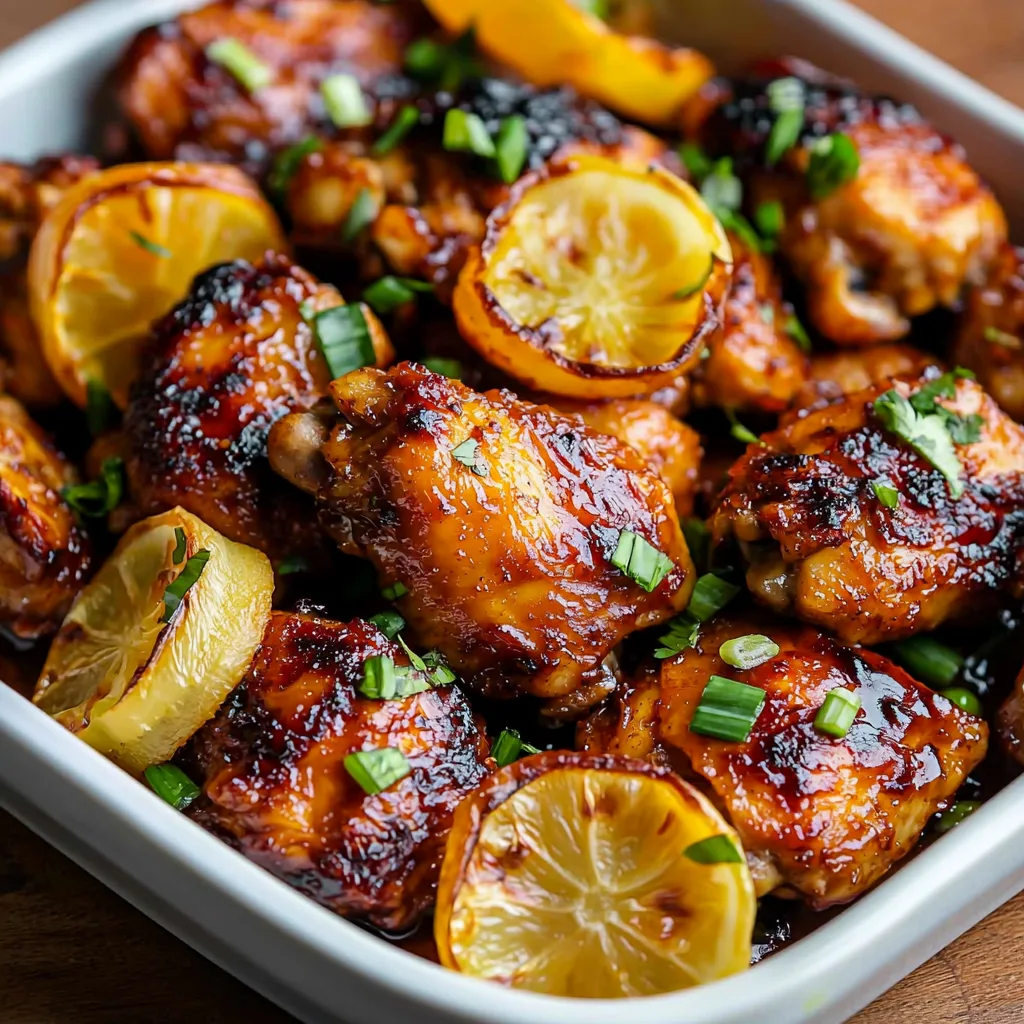
Baked Huli Huli Chicken is a beloved Hawaiian dish that balances sweet, tangy, and savory notes in one unforgettable bite. While traditional Huli Huli is grilled over open flames, the baked version retains all the charm with less fuss, making it ideal for home cooks who want island flavors without the need for a backyard grill. The magic lies in its sauce—a harmonious blend of pineapple juice, soy sauce, brown sugar, and aromatic spices that glaze the tender, juicy meat while infusing it with depth.
Originating from the Hawaiian word huli, meaning “to flip or turn,” the dish gets its name from the ritual of flipping chicken over a low flame to cook evenly and soak up the glaze. Our baked adaptation honors this tradition by layering the sauce and letting time do the work. The result? Fall-off-the-bone goodness with a caramelized sheen that whispers of coconut palms and ocean breezes.
Reasons to Try Baked Huli Huli Chicken
For families, busy professionals, or anyone craving a meal that feels indulgent yet effortless, this recipe is a revelation. The sauce acts like a time-traveler to beachfront restaurants, but without the wait or waitstaff. You can prepare everything in one dish, minimizing cleanup while maximizing flavor—a small act of mindfulness during your cooking ritual.
This dish is a masterclass in versatility. Whether you’re feeding hungry teenagers, hosting a dinner party, or simply seeking comfort in a bowl, its bold glaze works with rice, quinoa, or crusty bread. It’s also a gateway to wellness: the ginger and pineapple juice pack antioxidants, and the skin-on thighs add satisfying richness while keeping the meal grounded in natural fats.
Ingredients Needed to Make Baked Huli Huli Chicken
3 pounds bone-in, skin-on chicken thighs (local butchers know how to cut them perfectly for even baking)
1 cup pineapple juice (look for cold-pressed varieties to avoid added sugars)
1/2 cup soy sauce (tamari is a gluten-free alternative)
1/2 cup brown sugar (molasses-laced for complex sweetness)
1/3 cup ketchup (reach for natural versions if preferred)
1/4 cup chicken broth (low-sodium for more control)
2 tablespoons fresh ginger, grated (you can store extra in the fridge for future recipes)
2 garlic cloves, minced (reserve a bit for basting)
2 teaspoons sesame oil (adds nutty warmth)
1 tablespoon cornstarch (a touch of binding power)
1 tablespoon water
Fresh pineapple slices, garnish (optional but recommended for authenticity)
Sliced green onions (thinly sliced for a fresh pop)
Sesame seeds (for texture lovers). As with any mindful kitchen effort, fresh ingredients will reward you. Feel free to adjust sweetness or spice to match your household’s preferences, but trust in the core components—they’ve been tested through generations of island cooking.
Instructions to Make Baked Huli Huli Chicken – Step by Step
Step 1: Preheat your oven to 375°F (190°C) while arranging the chicken thighs in a parchment-lined baking dish. This gentle temperature ensures the meat stays tender and the skin crisps without burning. Season the chicken lightly before covering it—a small nod to the earth’s rhythm, like how early hula dancers moved with the waves.
Step 2: In a saucepan over medium heat, whisk together pineapple juice, soy sauce, and brown sugar. Let the mixture simmer for 10 minutes, watching it thicken into a velvety nectar of the tropics. Add ginger and garlic, which will bloom with time. Finally, stir in ketchup, chicken broth, and sesame oil for the signature Huli Huli complexity.
Step 3: When the sauce begins to glimmer, blend in the cornstarch slurry (1 tablespoon in its own bowl). Let it thicken until you see a glossy sheen, which ensures the glaze clings to every curve of the chicken like sunshine does to a beachgoer’s skin.
Step 4: Pour the sauce over the chicken in a slow, deliberate motion. Let it rest for 10-15 minutes before basting again—this pause allows the skin to absorb the glaze while staying intact. Halfway through the 45-60 minute bake, gently flip the thighs and drape more sauce across their surface as a final tribute to the original grilling technique.
Step 5: Monitor the internal temperature with care (ideal at 165°F). Once it reaches doneness, let the chicken breathe for a few minutes before garnishing. Pineapple slices and green onions are best added last to preserve their brightness, much like how you’d leave herbs on the stalk until serving.
Chef’s Tips for a Perfect Result
- Parchment paper makes cleanup a mindful chore, reducing friction after your cooking ritual
- Baste the chicken every 20 minutes if time permits—like giving your dish a consistent rhythm, much like gentle waves
- For extra caramelization, broil for 2-3 minutes but watch closely to avoid burned skin
- If the sauce feels too watery, reduce it by 2-3 minutes before coating the chicken
- Letting chicken marinate in 1-2 cups of sauce for 2 hours adds soul to every bite
Variations and Substitutions
Gluten-Free Alternative: Use tamari instead of soy sauce and confirm your ketchup is free from wheat additives. The flavor remains intact with none of the gluten.
Lighter Version: Opt for boneless, skinless thighs or breasts. Adjust baking time by 15-20 minutes and check often—your kitchen becomes a space of mindful precision.
Americano Twist: Replace pineapple juice with a splash of orange or apple juice for a citrus-forward profile. The balance still sings with a different harmony.
Heat Enthusiast Hack: Stir in Sriracha or crushed red pepper flakes during step 2. Adjust to your spice tolerance like a gardener tending to fire-roasted peppers.
Vegetarian Angle: Repurpose the sauce for grilled vegetables or tofu. The ginger-ketchup base is equally radiant over roasted eggplant as it is over chicken.
How to Serve and Pair
Pair these glazed thighs with steamed jasmine rice for a traditional plate, or over zucchini noodles for a lighter option. Serve with pickled daikon or fermented vegetables to brighten the dish’s richness. A tropical fruit salad—mango, papaya, and kiwi tossed with a lime-mint dressing—completes the experience by echoing the flavors of the ocean breeze.
For gatherings, stack the thighs on a serving platter with garnishes within reach. Add a side of toasted coconut for texture and warmth. A chilled Thai iced tea or ginger beer enhances the flavor journey while keeping things refreshing during cozy meal times.
Storage and Reheating
Refrigerator: Store leftovers in an airtight container for 3-4 days. Reheating uncovered at 300°F preserves the crispy skin. Add a splash of broth to the baking dish to revive moisture like a morning stretch after restful sleep.
Freezer: Let cooled chicken sit in a shallow container for a few hours before slicing and bagging. This allows for easier thawing and meal planning, turning your kitchen into a pantry of possibilities.
Reheating: Stovetop is ideal—place thighs in a saucepan and warm gently while basting with reserved glaze. Avoid high heat; think of it as reviving a cherished memory with patience.
Room Temperature: Cover with breathable paper towels to absorb excess moisture. This ensures the chicken stays safe for up to 2 hours, perfect for outdoor gatherings when timing matters.
Nutritional Values
Per serving (4 total):
- Calories: 420
- Protein: 30g
- Carbohydrates: 42g
- Fat: 20g
- Fiber: 2g
Approximate values.
Frequently Asked Questions
Can I substitute chicken thighs for breasts in Huli Huli Chicken?
Yes, though breasts cook faster. Reduce bake time by 15-20 minutes and monitor closely to prevent drying. The sauce will compensate for moisture, creating a tender result that satisfies quick weeknight meals.
How to tell Baked Huli Huli Chicken is done?
Use a meat thermometer—it should read 165°F. The skin will also turn golden with slight charred edges, and the sauce should bubble warmly like a sunset over the Pacific.
Why is my Huli Huli Chicken sauce too sweet?
Balance with a splash of rice vinegar or lime juice before serving. This is similar to adding shade to a sunny garden—just a hint creates equilibrium.
Can I prep Huli Huli Chicken in advance?
Absolutely. Marinate the chicken up to 24 hours ahead and assemble the sauce fully the day before. This recipe respects your time, like an old friend arriving reliably before the feast.
What sides complement Huli Huli Chicken best?
Steamed coconut rice, tropical salads, or grilled corn on the cob. These pairings honor the dish’s heritage while adding textures and colors to your plate—like braiding hair with complementary colors at a luau.
Conclusion
Baked Huli Huli Chicken is a bridge between island rhythm and everyday nourishment. Its bold glaze and gentle baking method create tenderness that warms the heart and fuels the body. Whip it out when you want comfort that tastes like celebration. The pineapple-soy caramelization is a melody that lingers long after the last bite, promising return visits to your kitchen.
There’s something timeless about layering flavors and letting the oven do the work. It’s a mindful practice where patience becomes perfume, and each spoonful feels like a story shared over generations. Trust this recipe—it speaks of summer even in winter’s chill.

Baked Huli Huli Chicken A Sweet and Savory Flavor Journey
- Prep Time: 15
- Cook Time: 55
- Total Time: 70
- Yield: 8 servings
- Category: Recipes
- Method: Baking
- Cuisine: Hawaiian
- Diet: Non-Vegetarian (Poultry-friendly, No Pork)
Description
This baked Hawaiian-style chicken dish delivers a balance of sweet, tangy, and savory flavors. Marinated in a pineapple-soy glaze, tender thighs bake to juicy perfection with a caramelized sheen. Easy to prepare and packed with island-inspired aromatics.
Ingredients
3 pounds bone-in, skin-on chicken thighs
1 cup pineapple juice (unsweetened)
1/2 cup soy sauce (low-sodium preferred)
1/2 cup brown sugar (packed)
1/3 cup ketchup (natural)
1/4 cup chicken broth (low-sodium)
2 tablespoons fresh ginger, grated
2 garlic cloves, minced
2 teaspoons sesame oil
1 tablespoon cornstarch
1 tablespoon water
Fresh pineapple slices, for garnish
Sliced green onions, for garnish
Sesame seeds, optional
Instructions
Preheat oven to 375°F (190°C) and position rack in middle.
In a large bowl, whisk pineapple juice, soy sauce, brown sugar, ketchup, chicken broth, ginger, garlic, and sesame oil until smooth.
Submerge chicken thighs in sauce, turning to coat; refrigerate for 1 hour.
Transfer chicken to a parchment-lined baking dish, spooning remaining sauce over pieces.
Bake 30 minutes, then increase oven to 425°F (220°C). Baste with reserved sauce, sprinkle cornstarch mixed with 1 tbsp water, and bake 20-25 minutes until glazed and caramelized.
Let rest 5 minutes before serving; garnish with pineapple, green onions, and sesame seeds.
Notes
For gluten-free option: Use tamari instead of soy sauce and certify ketchup is gluten-free.
Adjust sweetness: Add more or less brown sugar according to preference.
Storage: Refrigerate leftovers in airtight container for up to 3 days.
Serve with sticky rice, quinoa, or crusty bread to soak up glaze.