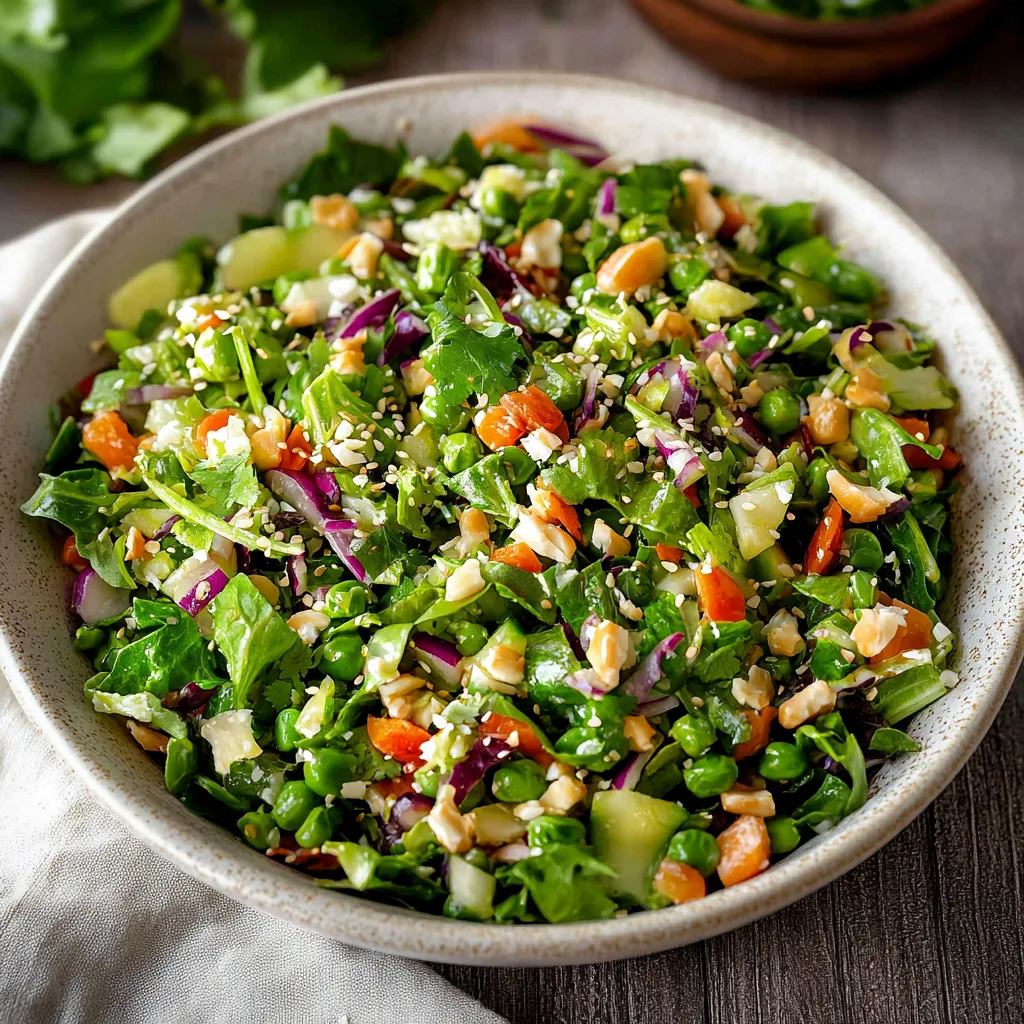
High-Protein Salad with Asian Dressing offers a crisp, nourishing way to meet your daily protein goals without compromise. This salad balances the zesty tang of homemade Asian dressing with the satisfying bite of quinoa, edamame, and leafy greens. Whether you’re a vegan meal-prepper, a vegetarian seeking a hearty lunch, or a family looking for clean eating, this recipe brings simplicity and flavor to the table. The dressing’s blend of tamari, rice vinegar, and maple syrup creates a harmonious umami-sweet contrast that elevates every ingredient.
I’ve always believed food should feel like a gentle act of care. This salad, with its layers of texture and global flair, feels like a bridge between health and joy to me. The high-protein base keeps you full for hours, while the Asian-inspired flavors add a touch of adventure. You’ll find yourself coming back to this recipe week after week, mixing in seasonal produce or swapping proteins to match your needs.
What is High Protein Salad with Asian Dressing?
This dish merges the bold flavors of Asian pantry staples with nutrient-dense ingredients to create a salad that’s both satisfying and balanced. The quinoa and edamame provide plant-based protein, while cucumber and celery add refreshing crunch. The homemade dressing, made with tamari, rice vinegar, and sesame oil, ties the elements together with a savory-acidic profile that’s reminiscent of Asian vinaigrettes. It’s designed to be adaptable—whether you’re assembling it fresh or prepping it in jars for the week.
Though the name hints at authenticity, this salad is born from modern, wellness-focused culinary ideas. By combining elements like thawed frozen peas and edamame with a homemade glaze, I wanted to create a dish that’s quick for home cooks yet rich enough to feel special. The use of frozen edamame is particularly genius, as it requires no cooking and keeps the salad fresh longer.
Reasons to Try High Protein Salad with Asian Dressing
This recipe earns its place on your table for three reasons. First, it’s a powerhouse of protein—quinoa contributes all nine essential amino acids, while edamame delivers a creamy, plant-based protein boost. Second, its simplicity allows you to cook with mindfulness: 15 minutes of prep, no stovetop required, and most ingredients can be found in a single kitchen drawer. Third, it’s endlessly customizable. Swap spinach for kale, add grilled tofu for extra protein, or toss in mango for a sweet-tart twist.
If you’re a busy single parent, a college student avoiding the all-you-can-eat lunch rush, or someone who meal-preps to avoid overbuying groceries, this salad fits like a cozy cardigan. It stores perfectly in mason jars, staying fresh for four days with minimal effort. Even better, the Asian dressing recipe is a versatile base you can reuse for other dishes like rice bowls or grilled vegetables.
Ingredients Needed to Make High Protein Salad with Asian Dressing
Cucumber, sliced for brightness and hydration
Celery, chopped into 1/4-inch pieces for crunch
Cherry tomatoes, halved if using for color and acidity
Shelled edamame, thawed and patted dry (look for frozen options in the store’s frozen produce aisle)
Quinoa, cooled after cooking (see notes about using alternative grains like millet or brown rice)
Spinach or mixed baby greens, chopped if not pre-washed
Cilantro, roughly chopped for herbal depth
Scallions, sliced diagonally to maximize surface area
Sesame seeds, toasted or raw (toasting enhances their nutty aroma)
Asian dressing components.
Tamari or soy sauce, low sodium to avoid overpowering the dish
Rice vinegar, ideally from jasmine or sushi rice
Maple syrup for sweetness
Toasted sesame oil, which you can substitute with peanut oil if needed
Instructions to Make High Protein Salad with Asian Dressing – Step by Step
Step 1: Start with the dressing. In a medium bowl or jar, whisk together the tamari, rice vinegar, and maple syrup until the syrup dissolves completely. Drizzle in the toasted sesame oil last and stir gently—it helps preserve the dressing’s delicate balance without overpowering the other flavors.
Step 2: If you’re meal-prepping, grab four 16-ounce mason jars. Layer the bottom with cucumbers first—they hold up better without sitting in the dressing for too long. Top with celery next, then peas and edamame for a protein-rich heart. Spoon the quinoa over these staples, followed by spinach to catch the dressing’s liquid. Sprinkle in the cilantro and scallions last, as their freshness is subtle and can be lost if buried under heavier ingredients.
Step 3: For a batched version, combine all salad ingredients in a large bowl. Pour the dressing over them and toss until each leaf and grain receives a glossy coating. If you prefer chunkier textures, handle the salad gently—rough mixing can bruise the greens.
Chef’s Tips for a Perfect Result
-
Toast sesame seeds in a dry skillet for 30 seconds before adding. They release fragrant oils and deepen the dressing’s flavor.
-
Add a splash of filtered water to the dressing if using frozen peas/edamame with high sodium—this prevents a briny taste.
-
For extra crunch, blanch the quinoa for 20 seconds after cooking. This firms the grains slightly without overworking them.
-
Keep herbs at the top of jars. Their moisture content makes them more fragile than other ingredients.
Variations and Substitutions
Gluten-Free Alternative: Use tamari instead of soy sauce and ensure quinoa is certified gluten-free. Some pre-packaged frozen vegetables contain gluten, so check labels carefully.
Low-Carb Version: Replace quinoa with cauliflower rice. Add a handful of protein like grilled chicken breast or baked tofu for extra satiety. Subtract spinach and use shredded cabbage instead.
Budget Swap: Swap fresh cilantro for dried ginger root (1 inch grated) in the dressing. Cilantro costs can add up when you’re using it daily, but this substitution introduces a warm, zesty complexity.
Vegan Option: The current recipe is vegan, but to make it oil-free, omit the sesame oil in both the dressing and garnish. The texture will be lighter, but the flavor remains bold.
How to Serve and Pair
This salad pairs beautifully with warm, hearty mains when you want a vegetarian entrée. Try it alongside steamed bok choy with garlic or a miso soup. For a vegan feast, top with marinated tempeh or pan-seared seitan cutlets.
When enjoying it alone, add a dollop of mashed avocado to amplify creaminess. A side of pickled radishes on the plate balances the richness of the dressing. For a festive touch, sprinkle a pinch of red pepper flakes or top with crispy fried tofu cubes for added texture.
Storage and Reheating
Refrigerator: Seal in an airtight container or mason jars within 2 hours of making. It will keep for 4 days, but greens may soften over time. Keep the dressing separate initially to preserve freshness.
Freezer: It’s not ideal for freezing—quinoa and greens lose texture after repeated thawing. Freeze the dressing in portions for future use instead.
Room Temperature: Cover and keep for up to 2 hours. Avoid leaving it out during hot days to prevent bacterial growth on the greens.
Reheating: If you’ve meal-prepped the salad, warm it gently in a non-stick pan over medium heat for 2-3 minutes to revive its texture. Avoid microwaving unless you’re reheating the dressing separately—the heat will wilt the greens. For the dressing, stir well after storage—the oil and vinegar might separate, but a quick whisk (or shake if in a jar) will fix it.
Nutritional Values
Per 16-ounce serving:
-
Calories: 386 kcal
-
Protein: 21 g
-
Carbohydrates: 48 g
-
Fat: 14 g
-
Fiber: 14 g
Approximate values.
Frequently Asked Questions
Can I use regular soy sauce instead of tamari?
Yes, but opt for a gluten-free tamari or ensure the soy sauce is labeled as gluten-free. For a deeper umami note, substitute half the soy sauce with Worcestershire sauce (ensure it’s vegan).
How do I know when the dressing is properly balanced?
The sweet/sour/umami ratio should feel layered but not overwhelming. Taste as you go—add 1/2 teaspoon sugar or 1 tsp rice wine vinegar to fine-tune it after 30 minutes, as the flavors develop.
Why is my quinoa bitter?
Quinoa is naturally coated in saponins, which taste bitter. Always rinse it under cold water before cooking. Consider using a fine-mesh strainer and giving it a spin in a salad spinner for maximum neutral flavor.
Can I make this salad a day ahead?
Absolutely. Store the dressing and base ingredients separately until serving. Assemble just before consumption to keep the greens crisp. The components store for 5 days in the fridge; the dressing for up to 2 weeks.
What’s the best way to customize this salad?
Swap quinoa for brown rice or cooked lentils. Add grilled tofu, crumbled tempeh, or even pan-seared eggplant with za’atar. For more zest, top with sesame-lime tofu or sliced raw mushrooms. Let your pantry inspire your plate.
Conclusion
This High Protein Salad with Asian Dressing is a nourishing blend of crunch, protein, and vibrant flavors. Start your day with energy and end it feeling balanced, all with one recipe that moves from fridge to table effortlessly. The dressing’s umami notes, paired with toasted sesame seeds and fragrant herbs, turn the simplest of veggies into a meal that makes you pause mid-bite and smile.
Print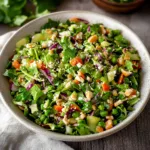
High Protein Salad with Asian Dressing
- Prep Time: 15
- Cook Time: 15
- Total Time: 30
- Yield: 4 salads
- Category: Recipes
- Method: No-Cook/Chopping
- Cuisine: Asian
- Diet: Vegetarian
Description
A crisp, nutrient-packed salad with plant-based protein from quinoa and edamame. Tossed with leafy greens, crunchy veggies, and a zesty Asian dressing made with tamari, rice vinegar, and maple syrup for a savory-sweet flavor.
Ingredients
1 cup cooked quinoa (uncooked: ⅓ cup)
1 cup thawed frozen edamame
2 cups mixed leafy greens (kale, spinach, romaine)
½ cup chopped cucumber
¼ cup grated carrot
¼ cup peeled and finely diced celery
¼ cup thawed frozen peas
1 tablespoons tamari (gluten-free)
1 tablespoon rice vinegar
1 teaspoon maple syrup
½ teaspoon sesame oil
½ teaspoon grated ginger
¼ teaspoon chili flakes (optional)
1 tablespoon toasted sesame seeds (for garnish)
Instructions
Rinse quinoa and cook according to package instructions
Drain and rinse thawed edamame under cold water
Chop fresh vegetables and thaw peas if needed
Whisk tamari, rice vinegar, maple syrup, sesame oil, ginger, and chili flakes for dressing
Toss cooked quinoa, edamame, leafy greens, and fresh vegetables in a large bowl
Pour dressing over salad and mix well
Sprinkle with sesame seeds before serving
Notes
Store in airtight containers for up to 4 days
Customize with additional vegetables like bell peppers or avocado
Add grilled tofu or chickpeas for extra protein
Use coconut sugar instead of maple syrup for grain-free option