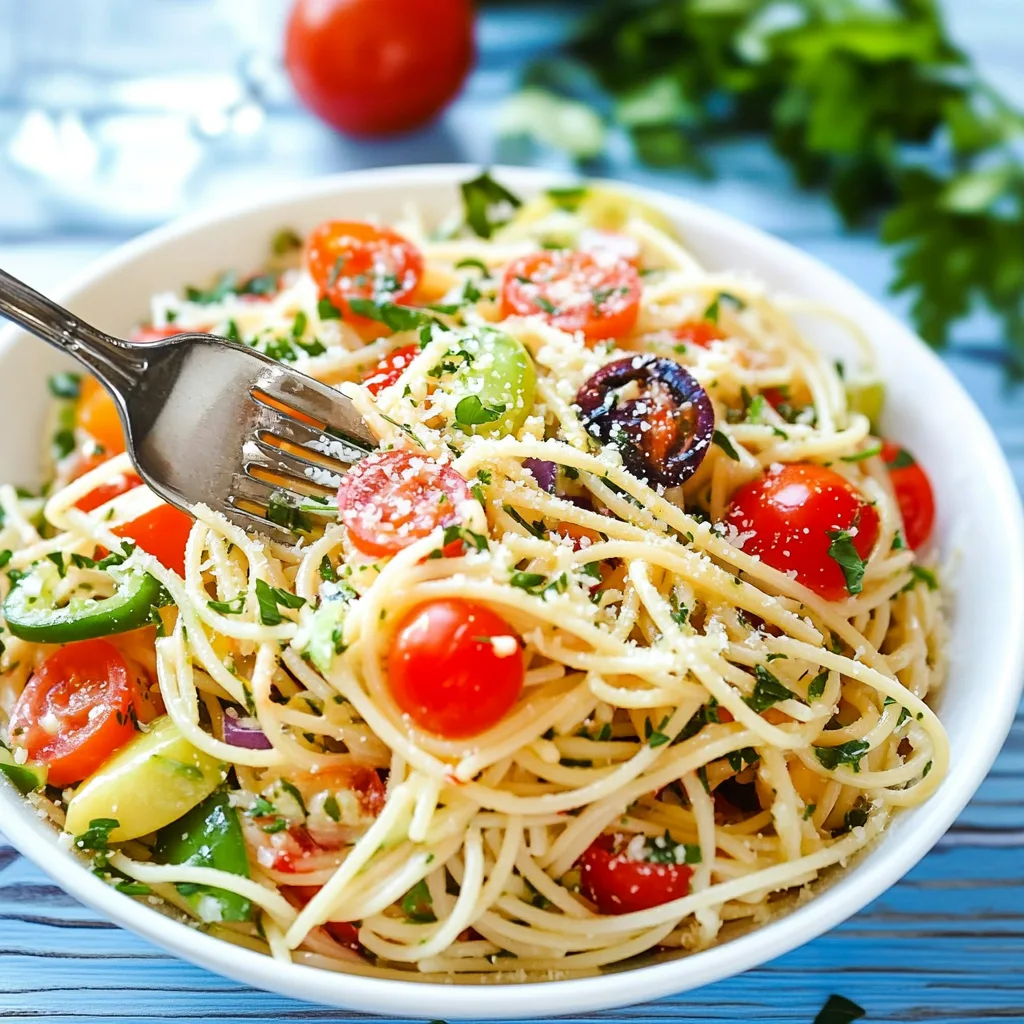
Italian Spaghetti Salad is a vibrant, no-cook dish that brings a Mediterranean flair to your table in minutes. Packed with fresh vegetables, nutty seeds, and a creamy dressing, this salad bridges the gap between comforting classics and light, refreshing summer fare. Whether you’re hosting a picnic, prepping for a potluck, or feeding a family’s hunger on a weekday night, this recipe is both satisfying and easy to customize. The combination of textured pasta, bold spices, and garden-fresh produce creates a bowl of flavor that feels like a well-kept secret from a provincial Italian kitchen.
What is Italian Spaghetti Salad?
This salad is a modern reinterpretation of traditional Italian street food, blending simple ingredients into a heartier format. While its roots trace back to pasta salads popularized in the U.S. mid-20th century, the flavor profile mirrors Southern Italy’s love for sun-ripened vegetables, herbs, and zesty dressings. The dish thrives on contrast: al dente pasta acts as a vehicle for juicy tomatoes, crisp cucumber, and colorful peppers, while sesame and poppy seeds add a rustic crunch. A tangy Italian dressing, brightened with garlic and aromatic paprika, ties the components together with a satisfying depth.
What makes it unique is its versatility. Substitute zucchini for eggplant, swap Parmesan for hemp seeds, or add olives for a briny twist. The balance of textures and the ability to tailor it to dietary needs—from vegan to gluten-free—has made it a timeless favorite for make-ahead meals.
Reasons to Try Italian Spaghetti Salad
This salad is the antidote to meal-time stress. With a prep time of under 20 minutes and no cooking required after boiling pasta, it’s ideal for parents juggling school pickups or busy professionals stocking the fridge for the week. Its vibrant colors and Mediterranean profile make it a crowd-pleaser at barbecues, potlucks, and Sunday suppers. The nutty sesame and poppy seeds add a touch of old-world authenticity that elevates it from average pasta salad to memorable entrée.
Beginners will appreciate its forgiving nature—there’s no need for precision with knife skills or seasoning ratios. Home cooks can experiment freely, while those hosting large gatherings will love how easily it scales. It’s a dish that adapts to the harvest of your garden or the bargains of the farmers’ market, ensuring it’s relevant in every season.
For families, this salad is a gateway to adventurous eating. The bright, herbaceous dressing tempers the intensity of vegetables, making it appealing even to picky eaters. Its composition also aligns well with mindful eating practices—each bite is an invitation to savor texture, color, and natural sweetness.
Ingredients Needed to Make Italian Spaghetti Salad
16 ounces thin spaghetti (halved for even distribution)
3 medium tomatoes, diced (smaller, early-season heirloom tomatoes add tangy depth)
3 small zucchini, diced (or substitute eggplant for smoky richness)
1 large cucumber, halved, seeded, and diced (English cucumbers reduce sogginess)
1 medium green pepper, diced (remove white membranes for subtler heat)
1 medium red pepper, diced (adds natural sweetness and color contrast)
8 ounces Italian salad dressing (use a mild, oil-based brand or make your own)
2 tablespoons grated Parmesan cheese (omit for vegan or sprinkle nutritional yeast)
1½ teaspoons sesame seeds (toasted for extra nuttiness)
1½ teaspoons poppy seeds (a traditional Italian pasta salad hallmark)
½ teaspoon paprika (preferably smoked for a warm aroma)
¼ teaspoon celery seed (grind lightly for peak flavor)
⅛ teaspoon garlic powder (or fresh minced garlic for a sharper note)
Fresh parsley (optional garnish for brightness)
Instructions to Make Italian Spaghetti Salad – Step by Step
Step 1: Begin by boiling the spaghetti in saline water for about 3 minutes less than the package instructions suggest. Undercooking slightly ensures the pasta holds its structure when tossed with dressing. Once al dente, drain and rinse under cold water while gently agitating the colander to prevent sticking. This step cools the pasta without washing away starches that will later help the dressing cling better. Set aside in a large bowl and give it a quick toss while still warm to avoid clumps.
Step 2: Prepare a mise en place for the vegetables. Dice the zucchini, cucumbers, and peppers on a mandoline for even slicing, and keep them in a bowl to retain crunch. Dice tomatoes directly into another container to preserve their moisture—they act as natural seasoners. During this prep, you’ll notice the colors blooming in the bowl, creating a visual palette that’s almost too beautiful to mix yet. This step is also a chance to reflect on how nourishing vegetables are when combined with satisfying carbohydrates. Feel the cool, crisp texture of the zucchini and the rubbery snap of the cucumbers under your knife.
Step 3: In a small mixing bowl, combine the Italian salad dressing with Parmesan cheese, sesame seeds, poppy seeds, paprika, celery seed, and garlic powder. The seeds will slightly thicken the dressing and add a granular texture. Whisk until emulsified, then add a couple of drizzles of olive oil if the dressing seems too thin. The goal isn’t glossy gloss, but a viscosity that coats pasta rather than drenches it. You can test consistency with a spoon—runny means more seeds; thick means more dressing per serving.
Step 4: Add the prepped vegetables to the bowl of cooked spaghetti and pour half the dressing over everything. Use your hands or a large spoon to fold gently, ensuring the pasta curls around the vegetables instead of being submerged. For best texture balance, work in two rounds—coat everything first, then add remaining dressing based on taste. The final consistency should feel slightly “kissed” by oil, not sopped. Season to taste with additional salt or vinegar if needed, depending on the acidity of your tomatoes.
Step 5: Cover the bowl and let refrigerator-chill for at least 2 hours. This resting period lets the flavors seep into the pasta crevices and wake up dormant spice notes. While waiting, you might stir the salad once or twice—this prevents the tomatoes from leaching too much moisture into the bottom of the dish. The longer it chills, the more the dressing’s sweetness from the paprika and tomatoes will warm up, creating a harmonious bitterness and creaminess that stays freshness-focused.
Step 6: Just before serving, give the salad a final toss to redistribute dressing that may pool at the bottom. For garnish, sprinkle chopped parsley over the top for a vibrant pop and to stereotypes about overactive salads. If serving to children or those who dislike spice, skip the paprika and double the Parmesan. This is also the perfect time to check texture—shoulder a few bites to ensure the vegetables remain firm but not rattling, and the pasta is still tender yet toothsome.
Chef’s Tips for a Perfect Result
- Toast the seeds first: Spread sesame and poppy seeds on a dry pan for 2-3 minutes over medium heat until fragrant. This enhances their nutty aroma and prevents bitterness from raw seeds.
- Use firm, not squishy, vegetables: Zucchini and cucumbers release moisture quickly; pat them dry with a paper towel before mixing to avoid a soggy salad.
- Opt for thick vegetable cuts: Dice peppers and tomatoes into 1⁄2-inch pieces—smaller dice causes excess juice, larger dice leads to uneven bites.
- Adjust dressing based on the season: In summer, go lighter on the dressing (1/2 cup). In colder months, enrich with a tablespoon of olive oil for a heartier bite.
- Freeze for future use: This salad freezes well for up to 3 months. Thaw in the fridge, drain excess moisture, and toss with fresh herbs before reheating.
- Taste as you go: After mixing, sample a bite immediately and add small quantities of vinegar, salt, or herbs to balance any lacking elements.
Variations and Substitutions
Vegan Option
- Replace Parmesan: Use nutritional yeast for a cheesy savoriness, or lemon zest for brightness.
- Use dairy-free dressing: Substitute coconut-based cream or dressplain olive oil + lemon juice.
- Oil-based swaps: For a vegan poppy seed dressing, blend 1/4 cup olive oil, 2 tbsp apple cider vinegar, and 1 tsp Dijon mustard.
Gluten-Free Alternative
- Gluten-free pasta: Use brown rice or chickpea-based pasta for a grain-free option. It gives a denser texture but remains satisfying.
- Check labels: Ensure your Italian dressing is gluten-free, as some brands use modified food starch as a thickener.
Low-Carb Version
- Substitute oats or almond flour: Add a few tablespoons to mimic the body of pasta for a grain-free base.
- Omit zucchini: Its water content makes it less ideal for low-carb diets; replace with spinach for leafy color.
Budget Swap
- Use frozen bell peppers: Defrosted shreds work well for color and crunch; drain excess water before adding.
- Replace zucchini: Use udon noodles or brown rice sticks for a nutty, pre-cooked alternative.
- Homemade dressing: Blend 1 cup plain yogurt, 1 tbsp Italian herbs, 1 tsp honey, and 2 tbsp olive oil for a budget-friendly alternative.
How to Serve and Pair
Italian Spaghetti Salad is most satisfying served chilled in a large glass bowl to showcase its colorful layers. For a festive touch, arrange it in mason jars for individual portions. Pre-chill the bowl in the fridge for an extra refreshing bite, especially during summer suppers.
Pair it with crusty Italian bread to mop up leftover dressing, or serve alongside grilled proteins like paneer steaks, baked halal patties, or seared tofu. In seasonal spreads, balance it with sun-dried tomato and spinach quiche for morning meals, or serve it as a side to smoky roasted root vegetables for wholesome evening fare.
At the dining table, this salad plays well with rustic dishes. My personal favorite is to toss it with sautéed kale chips and a sprinkle of pomegranate seeds for a holiday feasting centerpiece. Just let the salad rest for at least 30 minutes after refrigeration to allow the flavors to brighten up.
Storage and Reheating
Refrigerator
Store in an airtight container for 2-3 days. Separation of dressing is normal; simply toss gently before serving. The vegetables will gradually soften over time, so best enjoyed within the first day following spills or sodden threats. For prolonged storage beyond 3 days, drain excess liquid and compact the salad into a rectangular container for easier slicing as sandwiches or wraps for later meals.
Freezer
Freeze the salad in thick layers or individual loaf bags for up to 3 months. Use parchment paper between portions to prevent sticking. Thaw overnight in the fridge, then shake off freezing condensation and add a spoonful of olive oil for a restored dress-bright touch. Note: Sesame and poppy seeds may clump; gently crush them with a fork before serving.
Room Temperature
Keep out for up to 1 hour at room temperature, covered against depletion of juiciness. Ideal for backyard games, picnics, or quick grab-and-go lunches. Always drain excess released tomato water before serving outdoors to keep it from becoming soggier under the sun.
Reheating
For microwave: Shield the dish with plastic wrap and microwave in 30-second intervals, stirring each time to prevent overheating of the dressing. A splash of water on the rim prevents starchy pasta from drying out.
For stovetop: Add the salad to a saucepan and stir over low heat with 1-2 tablespoons of chicken consommate or flat soda water to rehydrate without melting the Parmesan. Cook until warmed through, 2-3 minutes, and serve with extra drizzle of warm vinegar for a restaurant-style finish.
Nutritional Values
Per serving (assuming 4 servings):
- Calories: 320
- Protein: 5g
- Carbohydrates: 42g
- Fat: 14g
- Fiber: 2g
Approximate values.
Frequently Asked Questions
Can I use whole wheat pasta instead of thin spaghetti?
Yes, whole wheat pasta works well but requires 5-7 minutes of extra cooking time to prevent becoming gummy. Drain and rinse under cold water immediately after, as the higher fiber content makes it prone to absorbing too much dressing.
How do I know if the salad is fully chilled and ready to eat?
Chill for at least 2 hours, but the ideal time is 4-6 hours. The dressing should cling evenly to the pasta, and the vegetables should remain firm but slightly softened at the edges. Often, the best indicator is a cooler room-temperature environment—feel the exterior of the bowl for a numbing texture before serving.
Why are the zucchini slices soaking up the dressing?
Zucchini has the highest water content of all the veggies in this salad (about 95%). To prevent moisture from radicating post-mixing, pat the diced zucchini dry with paper towels before adding. Alternatively, salt the zucchini for 10 minutes and drain—this draws out excess water and turbocharges flavor retention.
Can this salad be made two days in advance?
Absolutely, but store the vegetables and dressing separately until final assembly. This prevents sogginess and allows for last-minute adjustments to seasoning. Mix the dressed pasta with the vegetables 2-3 hours before serving for peak crispness.
What’s the best way to customize for a child’s party?
Draw on its tangy, colorful visuals to make it appealing—let kids make their own mini salads with paper ladles for interactive fun. For flavor accommodation, add spiced apricot basil dressing for a sweet note, skip the vegetables for safety, and include chopped nuts for extra crunch they’ll love.
Conclusion
Italian Spaghetti Salad is a masterclass in simplicity: hearty comfort from humble ingredients, resort-ready flavor, and unrivaled versatility. Its vibrant colors, Mediterranean charm, and textural contrasts make it a dish that feels both celebratory and comforting. Once you’ve mastered the technique, you’ll find it’s a treasure trove of possibilities—swap out vegetables, tweak spice ratios, or let it evolve with the seasons. The signature flavor that makes it irresistible? A harmonious marriage of nutty seeds, vibrant tomatoes, and the gentle creaminess of Parmesan. Give it a try, and you’ll wonder how any summertime meal could exist without it.
Print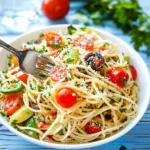
Italian Spaghetti Salad: A Fresh, Flavorful Family-Friendly Dish
- Prep Time: 15
- Cook Time: 9
- Total Time: 24
- Yield: 6 servings
- Category: Recipes
- Method: No-Cook
- Cuisine: Mediterranean
- Diet: Vegetarian
Description
A vibrant Mediterranean no-cook salad featuring al dente spaghetti, fresh vegetables, seeds, and a zesty garlic-paprika dressing. Customize with seasonal produce for a quick, crowd-pleasing meal.
Ingredients
12 oz (340g) spaghetti
1 medium cucumber, diced
1 red bell pepper, julienned
1 cup cherry tomatoes, halved
1 small red onion, finely chopped
1/4 cup (25g) poppy seeds
2 tbsp (30g) sesame seeds
2 cups (60g) fresh basil and parsley, chopped
1/4 cup (60ml) olive oil
2 tbsp (30ml) red wine vinegar
2 cloves garlic, minced
1 tsp paprika
1 tsp salt
1/2 tsp black pepper
1 tsp chopped pepperoncini (optional)
Instructions
Bring a large pot of salted water to a boil. Cook spaghetti according to package instructions until al dente. Drain and rinse with cold water to cool.
In a large bowl, combine cucumber, bell pepper, cherry tomatoes, red onion, and herbs.
In a separate bowl, whisk olive oil, vinegar, garlic, paprika, salt, pepper, and pepperoncini until emulsified.
Add cooked spaghetti, seeds, and dressing to the vegetables. Toss to combine thoroughly. Adjust seasoning if needed.
Notes
Substitute zucchini for eggplant; swap Parmesan with hemp seeds for a vegan option. Refrigerate leftovers in an airtight container for up to 2 days. Add olives for a briny twist.