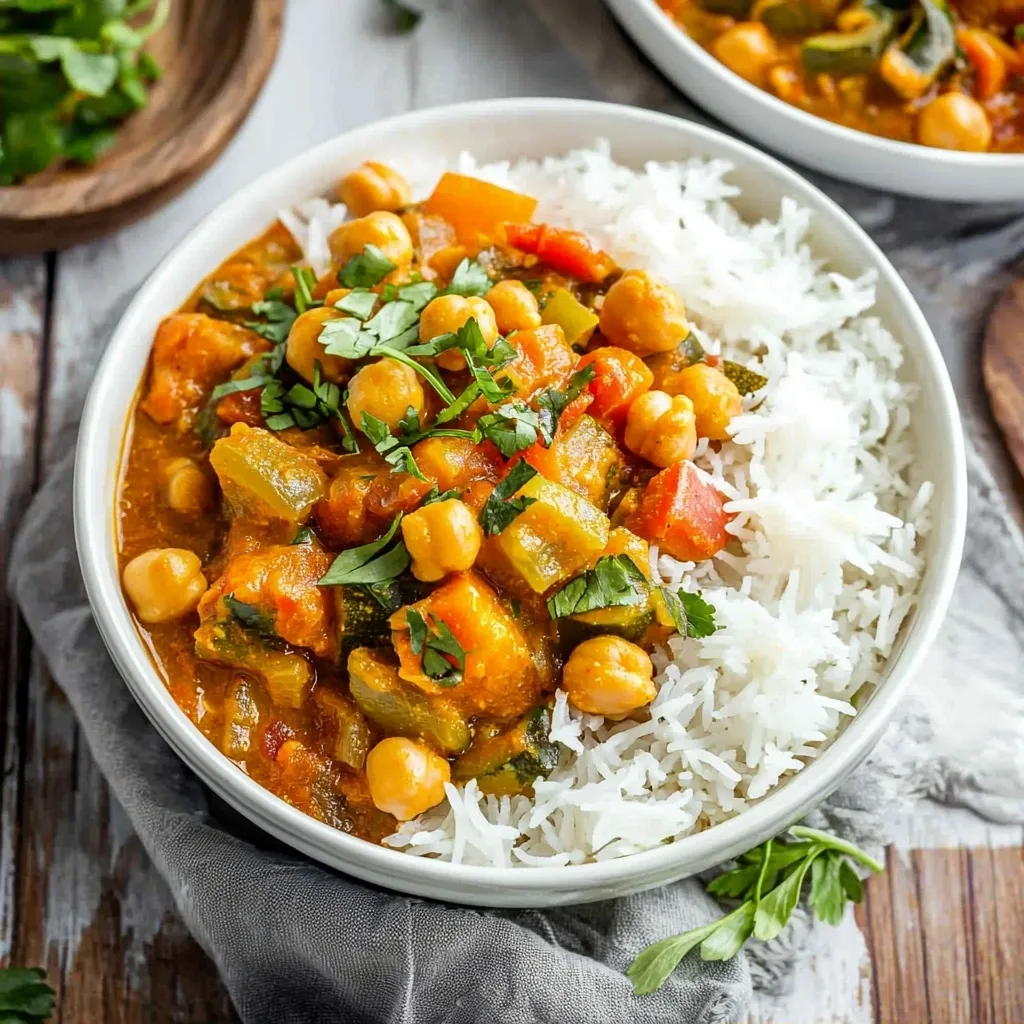
Slow Cooker Vegetable Curry with Chickpeas is a gentle, nourishing meal that embodies the beauty of slow-paced cooking. On days when life feels full, having a fragrant pot bubbling away in the kitchen provides a quiet kind of comfort that settles both the belly and the mind.
This slow cooker vegetable curry with chickpeas combines the vibrant depth of warm spices with creamy coconut milk and hearty plant-based proteins. It is a soulful bowl that reminds us that eating well does not require hours of standing over a stove, but rather a little bit of intention before embarking on the day.
When the sun begins to set and the kitchen fills with the scent of ginger and garam masala, you are greeted with a meal that is as restorative as it is delicious. This dish is designed to be forgiving, wholesome, and perfectly suited for those who value clean ingredients and mindful preparation.
What is Slow Cooker Vegetable Curry with Chickpeas?
Slow Cooker Vegetable Curry with Chickpeas is a plant-forward stew that celebrates the marriage of garden-fresh vegetables and earthy legumes. By utilizing the low, steady heat of a slow cooker, each ingredient maintains its integrity while the spices have time to bloom fully into the coconut milk base.
Originating from the spirit of classic South Asian comfort food, this version simplifies that process for the modern home cook. It relies on everyday staples like carrots, onions, and fiber-rich chickpeas, creating a balanced macronutrient profile that keeps you feeling energized and satisfied without any heaviness.
Reasons to Try Slow Cooker Vegetable Curry with Chickpeas
This recipe is a cornerstone for anyone looking to simplify their dinner routine without sacrificing nutrition. By allowing the slow cooker to do the heavy lifting, you reclaim your afternoon, making it perfect for busy parents or professionals who want a home-cooked meal waiting at the end of a long day.
Beyond the convenience, the flavor profile is wonderfully customizable. It offers a subtle, gentle heat that can be tailored to family preferences, while the nutrient density of the chickpeas and fresh vegetables ensures your body receives meaningful nourishment in every single bite.
Ingredients Needed to Make Slow Cooker Vegetable Curry with Chickpeas
-
2 tablespoons avocado or olive oil
-
2 cups finely chopped onion (about 1 medium to large onion)
-
3-4 cloves garlic, minced
-
1 teaspoon grated fresh ginger
-
2 teaspoons sea salt
-
1 teaspoon turmeric
-
1 tablespoon garam masala
-
1/4 cup tomato paste
-
1 ½ cups chopped carrot (about 2 medium carrots)
-
2 cups fresh green beans, trimmed and cut into ¼-inch pieces
-
14 ounces canned chickpeas, drained and rinsed
-
15 ounces canned fire-roasted diced tomatoes
-
14 ounce canned coconut milk
-
1 tablespoon honey (optional)
-
2 cups loosely packed baby spinach
-
Fresh cilantro, for garnish
Instructions to Make Slow Cooker Vegetable Curry with Chickpeas – Step by Step
Step 1: Start by heating your oil in a medium skillet over medium-high heat. Add your chopped onions and sauté them gently until they become soft, translucent, and fragrant, which usually takes about three to four minutes.
Step 2: Add the minced garlic, fresh ginger, sea salt, turmeric, and garam masala to the skillet. Allow these spices to toast for about one minute until they release their aromatic oils, then stir in the tomato paste for an additional thirty seconds to deepen the flavor base.
Step 3: Transfer this onion and spice mixture into your slow cooker. Add the prepared carrots, green beans, rinsed chickpeas, and canned fire-roasted tomatoes, stirring everything thoroughly to ensure the spices are evenly distributed.
Step 4: Pour in the coconut milk and add the tablespoon of honey if you prefer a subtle sweetness to balance the acidity. Cover the slow cooker and cook on high for 4 to 5 hours, or on low for 8 to 9 hours, until the vegetables are fork-tender and the sauce has thickened beautifully.
Step 5: Just before serving, stir in the fresh baby spinach and allow it to wilt in the residual heat. Garnish with a generous handful of fresh cilantro and serve your masterpiece over fluffy basmati rice or nutty quinoa.
Chef’s Tips for a Perfect Result
-
Sauté your aromatics first to unlock a deeper, toastier flavor profile that slow cooking alone cannot always achieve.
-
If you are using frozen green beans, add them during the final hour of cooking to prevent them from becoming mushy.
-
Choose full-fat coconut milk if you prefer a rich, velvety texture, or light coconut milk for a slightly lower-calorie version.
-
Always adjust your salt levels at the end, as ingredients like canned tomatoes and chickpeas vary in their natural sodium content.
Variations and Substitutions
-
Vegan Option: The recipe is naturally plant-based, just ensure your honey is swapped for maple syrup.
-
Gluten-Free Alternative: Ensure your garam masala is certified gluten-free, as some commercial spice blends may contain wheat-based thickeners.
-
Low-Carb Version: Serve the curry over cauliflower rice rather than traditional grains to keep the meal light and vegetable-focused.
-
Budget Swap: If you do not have fresh ginger, you can use ½ teaspoon of dried ground ginger instead.
How to Serve and Pair
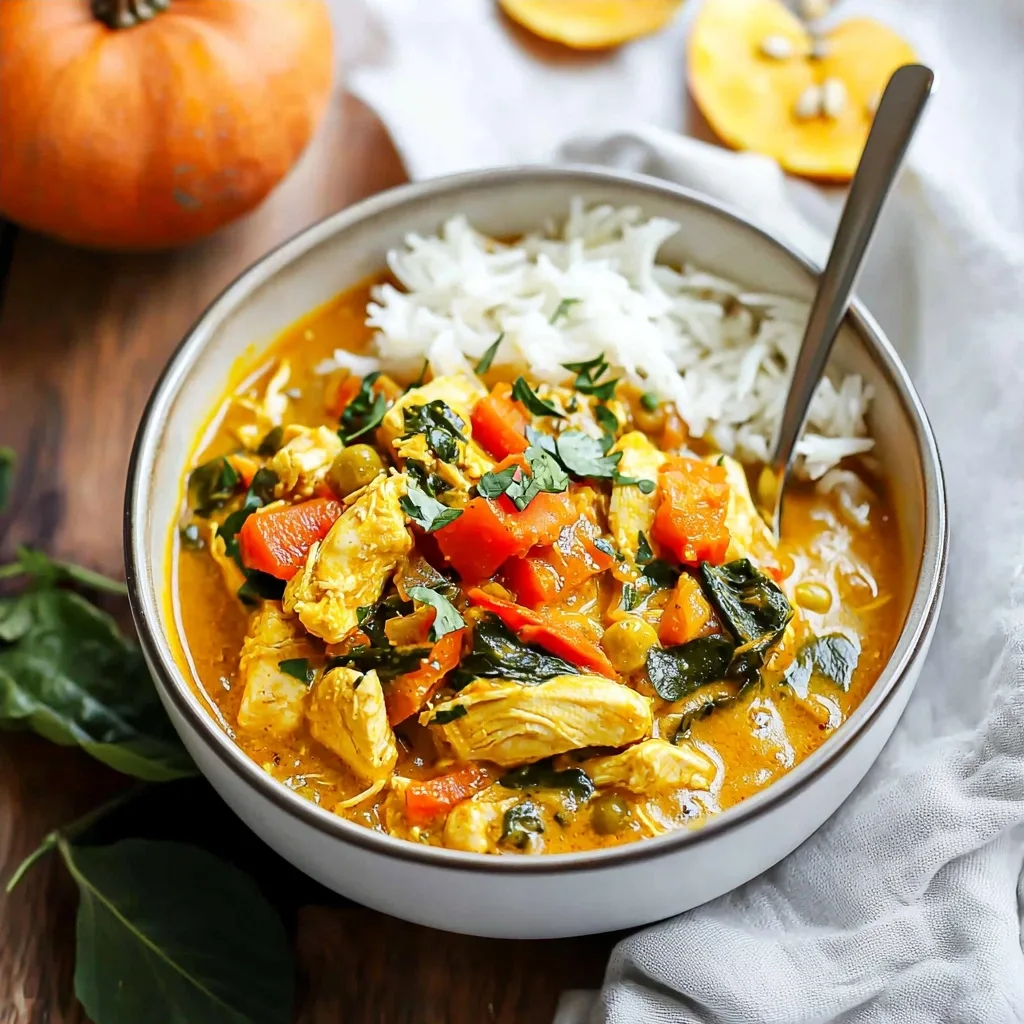
Serve this curry in wide, shallow bowls to showcase the vibrant colors of the vegetables. Pair it with warm, toasted naan or a side of steamed basmati rice to soak up the creamy sauce. For an extra touch of brightness, add a squeeze of fresh lime juice right before eating.
Storage and Reheating
Refrigerator: Store leftovers in an airtight glass container for up to 4 days, allowing the flavors to meld even further overnight.
Freezer: Place the cooled curry in a freezer-safe container or bag for up to 2 months. Thaw in the refrigerator overnight before warming.
Reheating: Reheat gently on the stovetop over low heat, adding a splash of water or broth if the sauce has thickened too much during storage.
Nutritional Values
-
Calories: 259kcal
-
Protein: 7g
-
Carbohydrates: 34g
-
Fat: 11g
-
Fiber: 9g
Approximate values.
Frequently Asked Questions (FAQ)
Can I substitute canned chickpeas with something else?
You can substitute canned chickpeas with white beans or even lentils if you are looking for a different texture. Keep in mind that lentils may absorb more liquid and cook faster than chickpeas.
How do I know when the curry is perfectly done?
The curry is ready when the carrots and green beans are soft enough to pierce easily with a fork. You should also notice the sauce has reduced slightly and thickened into a creamy consistency.
What should I do if the curry tastes too acidic?
If the fire-roasted tomatoes make the curry too acidic, add an extra half-tablespoon of honey or coconut sugar. This helps mellow the sharpness and brings harmony back to the spice blend.
Can I assemble this ahead of time?
You can prepare the vegetable and spice mixture in the slow cooker insert the night before and keep it in the refrigerator. In the morning, simply take it out, add the liquids, and start your cook cycle.
What is the best way to customize the heat level?
To increase the heat, add a pinch of cayenne pepper or finely diced serrano peppers to the skillet during the aromatics stage. If you prefer no heat at all, simply omit any chili-based spices.
Conclusion
This Slow Cooker Vegetable Curry with Chickpeas is a gentle, rewarding meal that brings peace to your kitchen and nourishment to your body. Making this dish allows you to slow down and appreciate the simple act of creating something wholesome for yourself and your loved ones. The deep, warm notes of the spices combined with the creamy coconut base make it a recipe you will reach for time and again whenever you need a boost of comfort.
Print
Slow Cooker Vegetable Curry with Chickpeas
- Prep Time: 15
- Cook Time: 360
- Total Time: 375
- Yield: 4 servings
- Category: Dinner
- Method: Slow Cooking
- Cuisine: Indian-inspired
- Diet: Vegetarian
Description
This comforting and nourishing vegetable curry is a plant-forward stew that brings together earthy chickpeas, vibrant carrots, and fresh green beans in a rich, velvety coconut milk base. Infused with aromatic ginger, garlic, and traditional garam masala, this slow-cooked meal is designed to be effortless and restorative. Perfect for busy days, it rewards you with a gentle, fragrant, and satisfying dinner that is as wholesome as it is delicious.
Ingredients
2 tablespoons avocado or olive oil
2 cups finely chopped onion
3-4 cloves garlic, minced
1 teaspoon grated fresh ginger
2 teaspoons sea salt
1 teaspoon turmeric
1 tablespoon garam masala
1/4 cup tomato paste
1 ½ cups chopped carrot
2 cups fresh green beans, trimmed and cut into ¼-inch pieces
14 ounces canned chickpeas, drained and rinsed
15 ounces canned fire-roasted diced tomatoes
14 ounce canned coconut milk
1 tablespoon honey (optional)
Instructions
Place the onions, garlic, ginger, carrots, green beans, and chickpeas into the slow cooker vessel.
In a small bowl, whisk together the tomato paste, turmeric, garam masala, salt, and half of the coconut milk to create a smooth sauce.
Pour the spice mixture over the vegetables and legumes in the slow cooker.
Add the remaining coconut milk and the fire-roasted tomatoes to the pot.
Stir everything gently to ensure the vegetables are evenly coated in the curry sauce.
Cover and cook on Low for 6 to 7 hours, or on High for 3 to 4 hours, until the vegetables are tender.
Stir in the optional honey before serving if a touch of sweetness is desired.
Notes
Store leftovers in an airtight container in the refrigerator for up to 3 days. This curry freezes well for up to 2 months. Serve over steamed basmati rice or with warm naan bread for a complete meal.