The Best Chicken Marinade transforms simple chicken into a succulent masterpiece with its harmonious blend of tangy, sweet, and savory flavors. Whether you’re grilling, roasting, or pan-searing, this effortless recipe ensures tender, deeply flavored results every time. From weeknight dinners to weekend feasts, it’s the culinary key to unlocking chicken’s full potential. Discover how this versatile marinade becomes your new kitchen staple for meals that feel special without the fuss.
What makes this marinade exceptional is its thoughtful balance: sharp balsamic vinegar cuts through rich olive oil, while soy sauce and brown sugar create a caramelized glaze. A splash of citrus brightens the mix, and Dijon mustard adds subtle depth. This combination doesn’t just flavor the chicken—it elevates every bite into something memorable. For those who, like me, believe food should nourish as much as it pleases, this recipe supports digestion with probiotic-rich vinegar and heart-healthy oils, making it a win for both taste and wellness.
What Is The Best Chicken Marinade?
A great chicken marinade is a liquid mixture that infuses raw meat with flavor and moisture before cooking. This particular recipe is a modern American take on classic marinade principles, focusing on simplicity and bold taste without overpowering ingredients. It combines three core elements—acid (lemon juice/balsamic vinegar), oil (olive oil), and salt (soy sauce/kosher salt)—to create a dynamic environment for flavor absorption and texture enhancement.
What sets this version apart is its unique interplay of sharp and sweet notes. The brown sugar adds more than just sweetness; it creates a lovely caramelization when grilled or roasted. Worcestershire sauce introduces umami depth, while garlic and Italian seasoning brighten the mix with aromatic complexity. The result is a marinade that’s versatile enough for any cooking method and adaptable to various dietary preferences when tweaked thoughtfully.
Reasons to Try The Best Chicken Marinade
First and foremost, this marinade unlocks incredible flavor without demanding advanced culinary skills. The ingredients list is streamlined, the preparation takes mere minutes, and the results are restaurant-worthy. Busy home cooks will appreciate how one simple prep can yield multiple cooking methods—grilled chicken for tacos, baked breasts for dinner, or sautéed slices for wraps. Each application retains the marinade’s signature tangy-sweet-savory balance.
For families or anyone seeking meal simplicity, this recipe is a lifesaver. It eliminates the need to choose between healthy and delicious, as the olive oil provides essential fatty acids and the vinegar supports digestion. Those who’ve mastered the basics of cooking can explore variations, while beginners gain confidence through foolproof results. The fact that it works as well on a charcoal grill as it does in a cast-iron skillet makes it particularly versatile, adapting to whatever cooking resources you have available.
Ingredients Needed to Make The Best Chicken Marinade
- 1/2 cup olive oil (use extra virgin for best flavor)
- 1/4 cup freshly squeezed lemon juice (at room temperature to mix smoothly)
- 1 tablespoon minced garlic (adjust to taste, 2 cloves work well for stronger flavor)
- 1/4 cup balsamic vinegar (choose a quality brand with balanced acidity)
- 1/4 cup soy sauce (tamari works as a gluten-free alternative)
- 1/4 cup Worcestershire sauce (original variety preferred for authentic umami)
- 1/3 cup brown sugar (light or dark, both work well)
- 2 teaspoons dried Italian seasoning (contains basil, oregano, thyme, and rosemary)
- 1 tablespoon Dijon mustard (adds tangy sharpness and coating cling)
- 2 teaspoons kosher salt (enhances all ingredients without overpowering)
- 1 teaspoon black pepper (freshly ground adds more aroma and spice)
Instructions to Make The Best Chicken Marinade – Step by Step
Step 1: Begin by combining the wet ingredients in a large mixing bowl or resealable gallon-sized bag. Pour in the olive oil first to coat the surface, then add the lemon juice and minced garlic. The acidity in the lemon juice will begin mellowing the garlic’s pungency while creating a base for the other flavors to anchor themselves to.
Step 2: When you add the balsamic vinegar and soy sauce, you’ll notice an immediate depth emerging. The vinegar’s sharpness will start balancing against the soy sauce’s saltiness. Whisk or shake the mixture until these liquids fully integrate, then proceed to add the Worcestershire sauce. This condiment adds a layer of fermented complexity that enhances the chicken’s flavor absorption.
Step 3: Measure out the brown sugar and sprinkle it into your developing marinade. Notice how it slowly dissolves into the liquid, creating a syrupy texture. For those who prefer a drier finish on their chicken, this sugar content is optimal—enough to trigger browning without making the chicken sticky. Follow with the Dijon mustard, which helps bind the ingredients together into a cohesive emulsion.
Step 4: Now it’s time to add the dry seasonings. Sprinkle in the Italian seasoning first, let it dissolve slightly, then add the kosher salt and black pepper. The coarse salt crystals will help create small texture variations in the final dish, while the freshly ground pepper releases its oils to permeate every part of the marinade. Give it another vigorous stir or shake until you achieve a thick, glossy consistency—like a balsamic reduction waiting to happen.
Step 5: Introduce your chicken next. If using breasts or tenderloins, gently press the pieces into the marinade to ensure full contact. Bone-in pieces benefit from being turned in the mixture so every side gets coated. The oil will help carry fat-soluble flavors into the meat, while the acidic components begin breaking down surface textures to prepare for moisture retention during cooking. If your bag method, massage the chicken for 1-2 minutes to work the marinade into natural crevices.
Step 6: Letting the chicken marinate is when the magic happens. For best flavor, refrigerate for at least 4 hours, but ideally 8-12. The time allows enzymes in the vinegar and mustard to gently tenderize while the sugars begin caramelizing just slightly on the surface. Don’t exceed 24 hours, as prolonged acid exposure can toughen the texture. When you’re ready to cook, simply drain off the excess marinade to avoid burning on the grill or pan.
Chef’s Tips for a Perfect Result
- Use a large food-safe bag: This makes marination hands-off and minimizes cleanup. Choose a size that allows chicken pieces to lay flat without being crammed.
- Bring chilled chicken to room temperature first: Takes 30 minutes on the counter. Prevents uneven cooking and helps the marinade penetrate more effectively.
- Pat chicken dry before cooking: Especially after long marinating times. Excess moisture hinders browning and caramelization.
- Preheat grill to medium heat (300-350°F): High heat risks burning the sugar. For indirect grilling with bone-in pieces, move to cooler zones after initial searing.
- Reserve a bit of marinade from early in the process: Mix it with olive oil and herbs to make a pan gravy post-cooking for an extra burst of flavor.
- Adjust sweetness for personal taste: Those with a lighter preference can reduce brown sugar to 1/4 cup without losing balance.
Variations and Substitutions
Vegan Option
Replace regular soy sauce with tamari. Use a vegan Worcestershire sauce containing mushroom extract for authentic umami depth. The brown sugar remains vegan friendly. Substitute 2 tablespoons of the olive oil with avocado oil for a smoke point suitable to searing.
Gluten-Free Alternative
Use tamari instead of regular soy sauce. Ensure your Worcestershire sauce is gluten-free (many brands offer certified versions). The other ingredients naturally occur gluten-free as long as stored properly.
Low-Carb Version
Sweeten with 2 tablespoons of erythritol or allulose instead of brown sugar. These low-calorie sweeteners provide caramelization effects while preserving flavor balance. Consider adding a teaspoon of liquid monk fruit for enhanced depth.
Budget Swap
Use distilled white vinegar instead of balsamic for the bracing acidity. Replace Dijon mustard with whole-grain mustard for a coarser texture. Fresh lemon juice works too when squeezed in advance. The reduced ingredient cost still yields a flavorful marinade, though with simpler complexity.
How to Serve and Pair
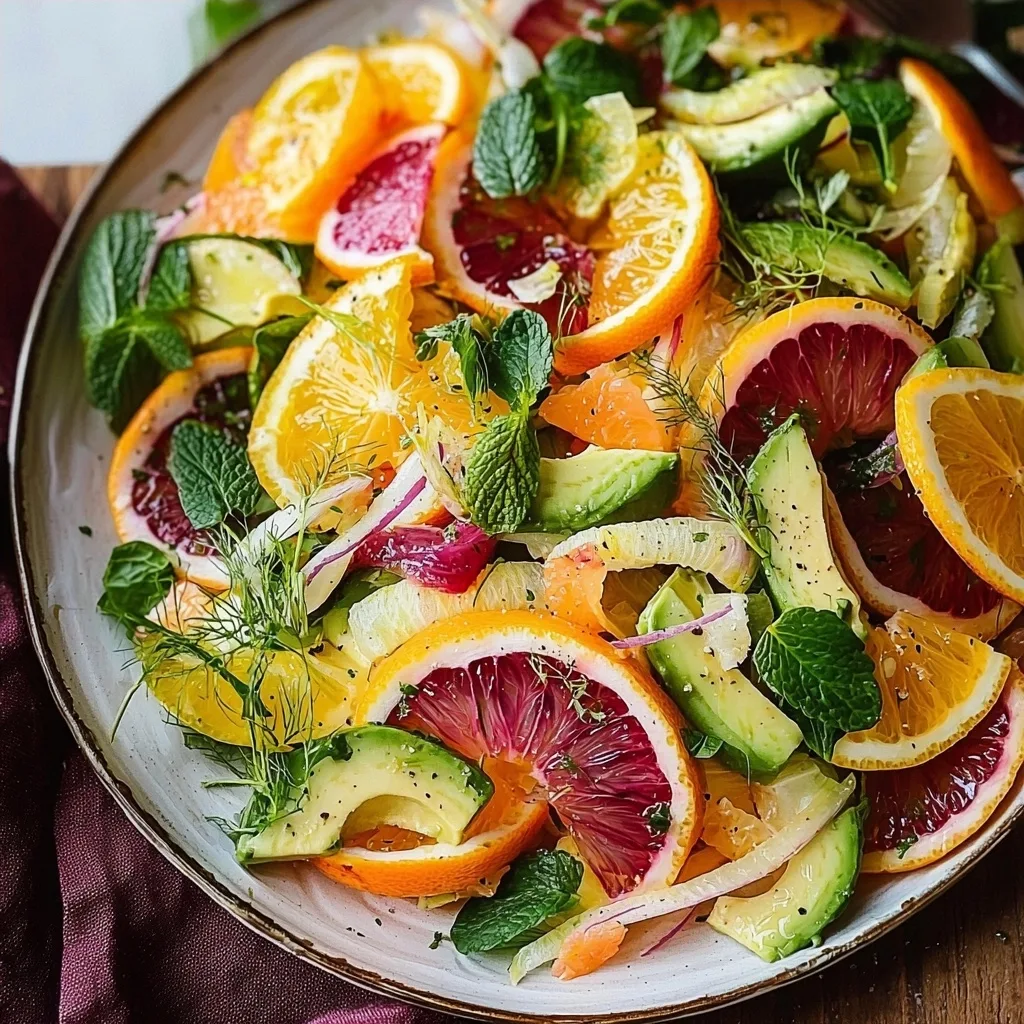
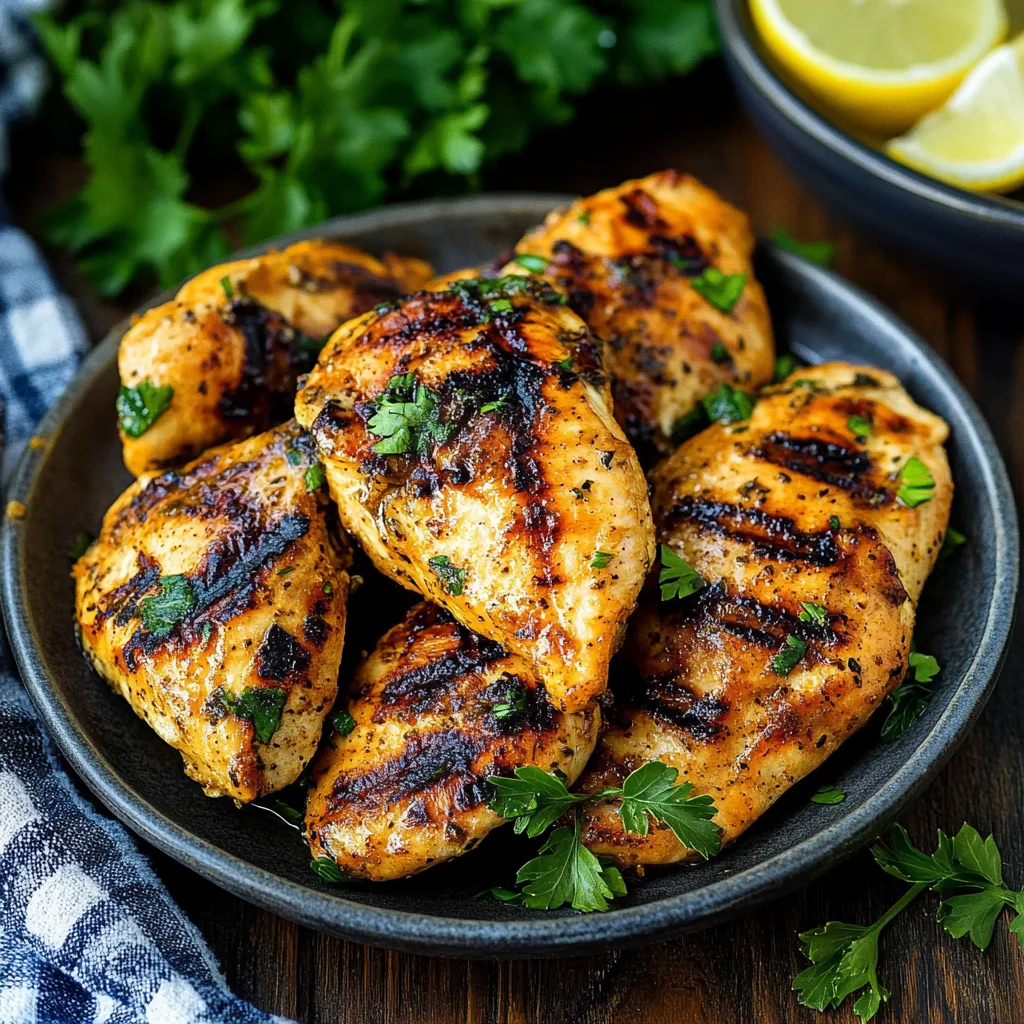
This versatile marinade shines in three signature preparations: grilled over medium heat with charred edges, baked in aluminum pans for hassle-free cleanup, or pan-seared in cast iron for maximum crust development. For a wellness-focused meal, pair with roasted rainbow vegetables and quinoa. When grilling, skewer the marinated chicken with bell peppers and zucchini for color and complementary flavors. The tangy profile particularly harmonizes with crisp salads, especially those featuring arugula and blood oranges.
For special occasions, use this marinade as a base for stuffed chicken breasts, filling with mozzarella and spinach. The lemon note balances well with acidic pasta sauces like puttanesca. When preparing for a crowd, portion out the chicken into meal prep containers with pre-washed greens and prepped grains for instant weeknight meals.
Storage and Reheating
Refrigerator
Stored in a tightly sealed container, the raw marinated chicken keeps for up to 48 hours. The liquid components may separate slightly, so stir or shake before using. The cooked chicken, stored separately from the juices, remains safe for 3-4 days. To maintain juiciness when reheating leftover cooked chicken, add a splash of broth or olive oil in the pan.
Freezer
For long-term storage, freeze the chicken (uncooked) in an airtight bag for up to 3 months. Freeze cooked chicken for 2-3 months. For best results, portion into single-serving sizes. When thawing, let rest in the refrigerator for at least 18 hours for even cooking.
Room Temperature
Mariinated chicken should never sit at room temperature for more than 2 hours total. Always start with chilled ingredients. If marinating for more than 4 hours, refrigerate immediately after application.
Reheating
For pan-seared chicken, use medium-low heat with a small amount of oil to re-crisp the edges. For oven reheating, cover with foil at 300°F to prevent drying, then remove and broil briefly for char. Avoid microwave reheating for pre-grilled chicken, as it softens the caramelized crust. Always reheat to an internal temperature of 165°F when unsure.
Nutritional Values
- Calories: 128 per serving
- Protein: 1g per serving
- Carbohydrates: 13g per serving
- Fat: 7g per serving
- Fiber: 0g per serving
Approximate values.
Frequently Asked Questions
Can I substitute maple syrup for the brown sugar?
Yes, use 2 tablespoons of pure maple syrup. The natural fructose caramelizes beautifully on the grill while adding a buttery depth the brown sugar doesn’t provide.
How do I know when the chicken is done cooking?
Use an instant-read thermometer for accuracy. Chicken is done at 165°F. Juices will run clear, and the meat will be slightly firm to the touch when pressed but still yielding.
Why is my chicken turning out dry sometimes?
Common cause: overcooking due to high grill heat. Reduce heat to medium, especially after initial searing. For bone-in cuts, use indirect heat zones. Also, avoid marinating past 12 hours as extended acid exposure can toughen fibers.
Can I make this marinade ahead of time?
Absolutely, make it up to 3 days in advance. Store in the refrigerator, but let the oil re-liquify at room temperature first. Add the chicken up to 12 hours in advance for optimal flavor absorption.
What are the best ways to customize the flavors?
For smoky notes, add 1 teaspoon liquid smoke. For citrus boost, increase lemon juice to 1/3 cup. For herb lovers, mix in fresh parsley or basil. Adjust sweetness to taste, but never eliminate acid components completely.
Conclusion
This chicken marinade achieves a perfect balance of tangy, sweet, and savory, making it a go-to for any cooking occasion. Its simplicity ensures consistent results whether you’re a novice or a seasoned home cook. The signature lemon-balsamic glaze that forms during cooking adds an irresistible complexity that keeps people coming back for more. Let this recipe be your culinary secret for transforming ordinary chicken into a memorable meal with minimal effort.

The Best Chicken Marinade for Juicy, Flavorful Results
- Prep Time: 10
- Cook Time: 30
- Total Time: 40
- Yield: 4 servings
- Category: Recipes
- Method: Marinating
- Cuisine: American
- Diet: Vegetarian
Description
A tangy-sweet-savory marinade that transforms chicken into a succulent, flavorful dish. Perfect for grilling, roasting, or pan-searing, this recipe balances balsamic vinegar, soy sauce, and brown sugar with citrus and herbs for restaurant-quality results at home.
Ingredients
1/4 cup balsamic vinegar
1/3 cup soy sauce
1/3 cup olive oil
2 tbsp brown sugar
2 tbsp freshly squeezed lemon juice
1 tbsp Dijon mustard
1 tbsp Worcestershire sauce (vegetarian-friendly)
2 cloves minced garlic
1 tsp Italian seasoning
4 boneless, skinless chicken breasts
Instructions
In a large bowl, whisk together balsamic vinegar, soy sauce, olive oil, brown sugar, lemon juice, Dijon mustard, Worcestershire sauce, garlic, and Italian seasoning
Add chicken breasts and coat evenly
Cover and refrigerate for at least 30 minutes (up to 24 hours)
Proceed with grilling, roasting, or pan-searing as desired, removing chicken from marinade before cooking
Notes
For optimal results, marinate for 4-6 hours. Discard used marinade; do not reuse. Substitute honey for brown sugar for a sweeter profile. Use gluten-free soy sauce if needed.
Marinated chicken can be frozen for up to 2 months (thaw before cooking).